

A three-week summer school experience with lessons for a lifetime
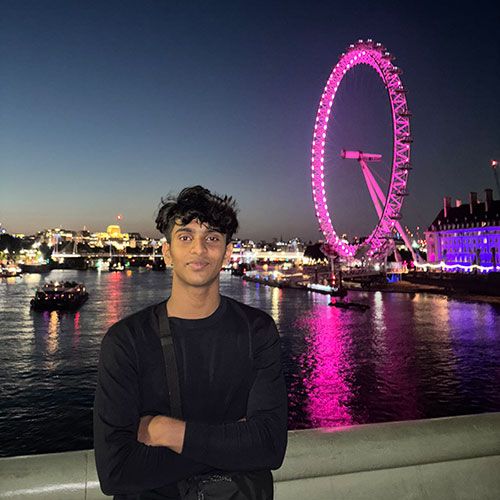
By Harigovind Geetha Krishnan, Cohort of 2024 – 28, SIAS
A three-week summer school program. In a new country. In a subject I had no prior knowledge of. In a classroom with students from across the globe. In a cultural landscape starkly different from mine. Despite the differences, I had no idea that my time at the London School of Economics and Political Science (LSE) would become a turning point in my life. I’m glad I took that leap of faith.
The whole idea began on a whim. It was December. I was restless and curious, looking for meaningful ways to spend my break. Every day, I’d browse university websites, click through summer programs, hoping to find something that would genuinely excite me. That’s when I found my way to LSE’s summer school page and, after thinking it over, I decided to apply for the FM250 Finance course.
You’ve got this!
The application process wasn’t complicated. All the courses and their prerequisites were clearly outlined on LSE’s website, and for FM250, the requirement was a mathematical foundation course, which was ideal for me. I submitted. I waited. And I knew the adventure ahead was real when I received my acceptance email.
Preparing for my first solo trip abroad was exciting yet intimidating. From visa arrangements and booking flights to finding accommodation, I handled everything from scratch. The reality of landing in a different country quickly kicked in. I had to manage a new currency, figure out my meals, navigate the Tube, and more. My first tryst with independence was at Krea. But London was a different ball game. Navigating busy train stations and cycle routes, adapting my palate to new cuisines… I grew more confident and began trusting my abilities.
Building blocks of finance
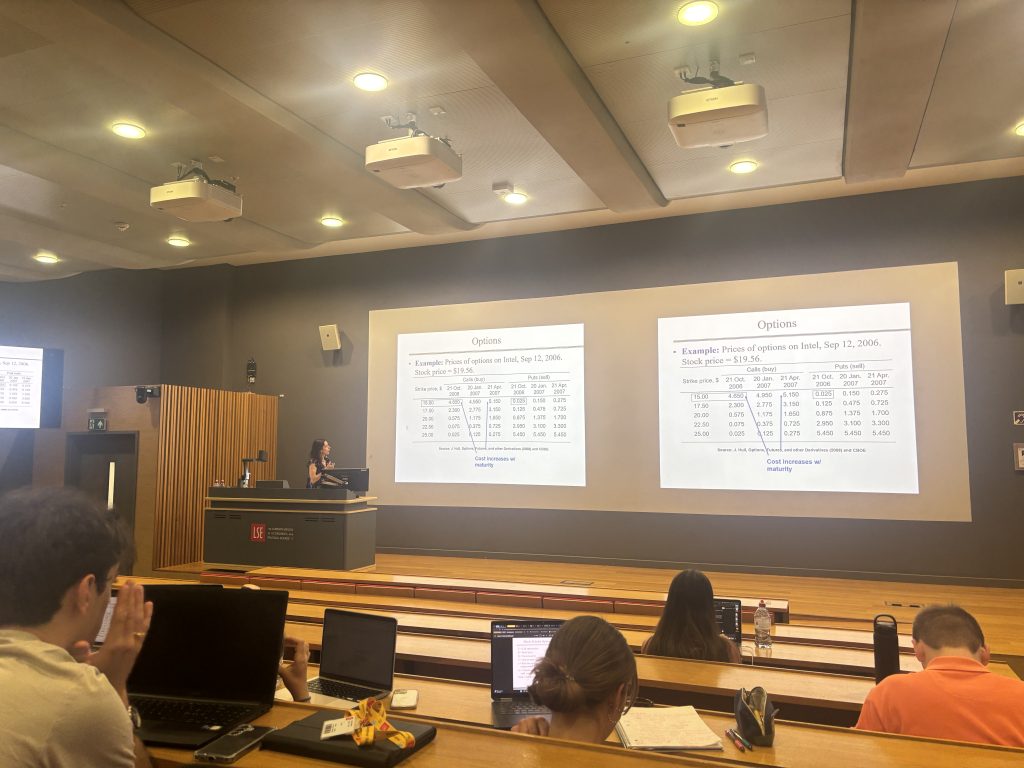
The highlight of my summer school experience was the Finance course. The subject was an uncharted territory to me. I was drawn to it by my growing interest and a willingness to learn. The three-month university course was condensed into three weeks. The curriculum was intense and comprehensive. I picked up concepts such as portfolio management, risk diversification, bond pricing, the CAPM model, calculating net present value – the building blocks that form the basics of finance.
The information overload in such a short span was daunting. It wouldn’t have been possible without the support of professors who broke down difficult concepts with patience, illustrated theories with practical examples, and encouraged questions. Things fell into place. The takeaways drove me to think clearly.
Beyond classrooms
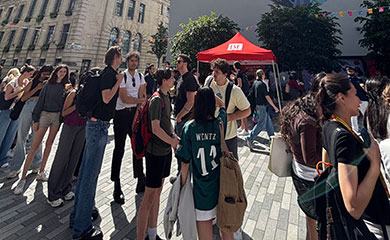
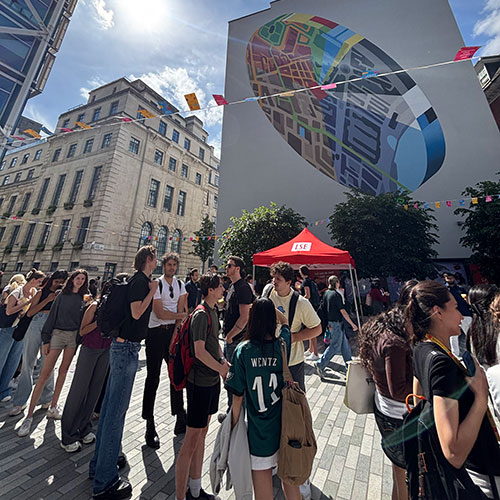
Academically, the summer school was as rich and challenging as I’d hoped, but life outside the classroom was equally exciting. Making friends didn’t come easily. I felt out of place among new faces in the first few days. But I realised we were all on the same boat. It took some courage to strike up conversations. I eventually found my people through study sessions and by exploring the city together. The best moments were from late-night walks along unfamiliar streets and jokes cracked during group dinners. Those friendships taught me just as much as the classrooms did.
Interwoven impact
In retrospect, three weeks of rigorous coursework seemed manageable because of my exposure to the Foundation Courses at Krea. The Core and Skill courses had prepared me to step out of my comfort zone. It was easier to interact with peers with different academic backgrounds. The advantages of an interdisciplinary way of learning are immense. It helped me navigate the course material and, beyond that, deepened my understanding of finance by connecting it with everything else I’d studied so far. Today, I have a solid foundation in finance, along with exposure to practical tools — something that will be valuable throughout my academic journey.
For anyone considering a summer school: be clear about your goals and apply to options that truly interest you. It’s okay to feel overwhelmed — but don’t let that stop you. Give it time. The real reward lies in the growth that follows.