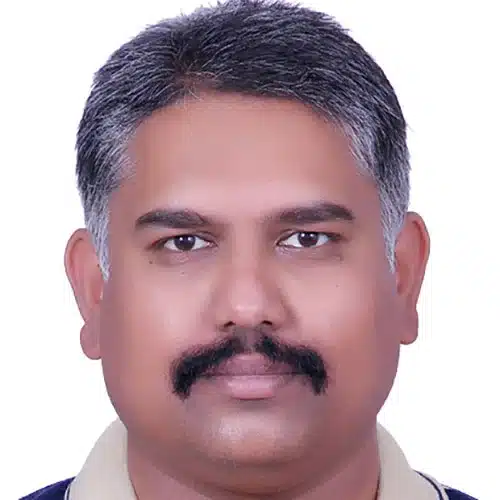
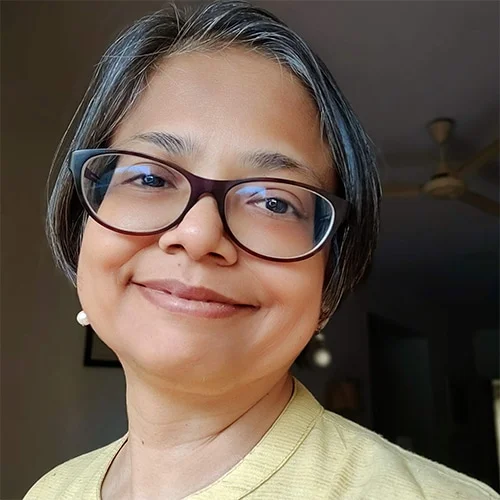
Professor Kai Easton, Professor, Literature & Visual Cultures, SIAS has penned a tribute and visual travelogue for South African author, Zoe Wicomb, published in Wasafiri, the international magazine of contemporary writing.
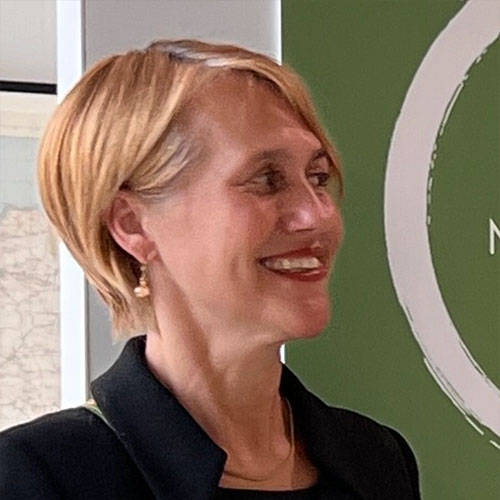
Professor Kai Easton, Professor, Literature & Visual Cultures, SIAS has penned a tribute and visual travelogue for South African author, Zoe Wicomb, published in Wasafiri, the international magazine of contemporary writing.
Dr Shiv Issar, Assistant Professor, Sociology and Social Anthropology, SIAS recently co-authored a book chapter titled Labor’s Odyssey Through Algorithmic Systems published in the The Sage Handbook of Digital Labour.
The abstract for the chapter: Algorithmic systems bear testimony to the sweeping transformation of labor in the 21st century. Not only do they mediate the way work is executed but they also increasingly define what constitutes possible work. They stand in direct relation to the ways labor is identified, hired, governed, performed, and evaluated. We provide a coherent framework for the emerging research around digital labor by exploring the use of algorithmic systems across four distinct dimensions of labor: algorithmic hiring, algorithmic regulation, algorithmic content moderation, and algorithmic evaluation of labor.
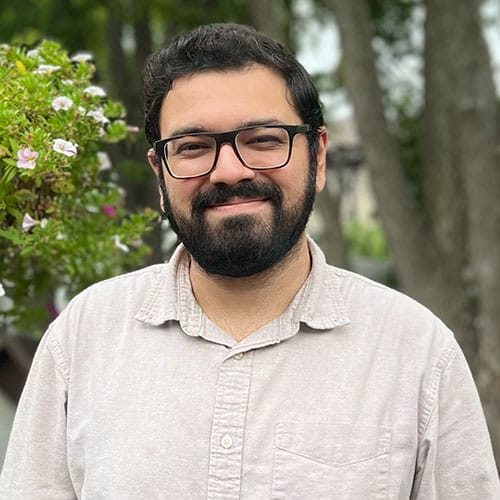
Neha Mishra, Assistant Professor of Practice, Krea-CWP was invited by the Indian Journal of Medical Ethics (IJME) to conduct a workshop on ‘Detecting Generative AI-Use in Academic Writing’ on 23 December 2025.
In the face of rising (un)declared generative AI-use in scholarly communities and the absence of reliable tools to detect such use, Neha Mishra was invited to conduct a workshop for its working editors on developing strategies for detecting AI-use. By comparing AI-generated samples with those written by humans in the field of medical ethics, the workshop a) identified genre- and context-agnostic hallmarks of AI-use, such as specific sentence structures, generic, non-specific content, and lack of narrative logic and b) indicated the need for developing similar strategies for identifying context-specific hallmarks of AI-use.
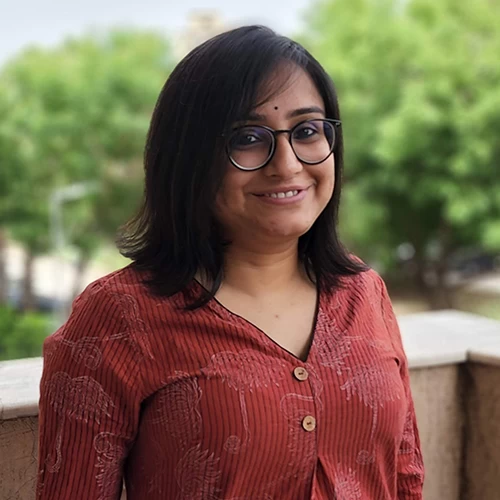
Dr Chirag Dhara, Assistant Professor, Environmental Studies, SIAS has authored an opinion piece in The Indian Express titled, Here’s how extreme heat is undermining food security and public health across the world.
The piece follows Dr Dhara’s recent co-authored paper A post-AR6 update on observed and projected climate change in India.
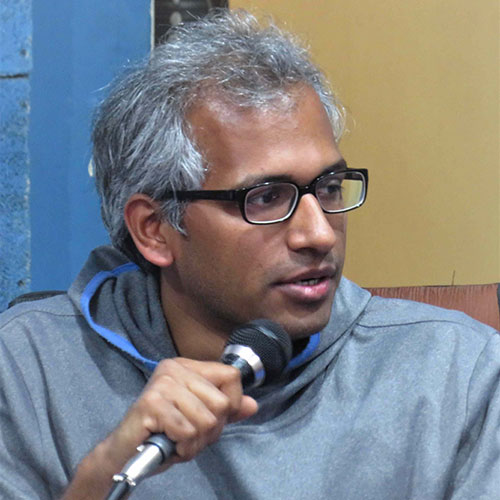
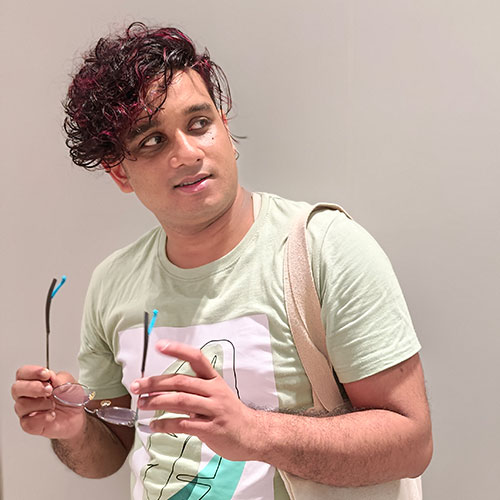
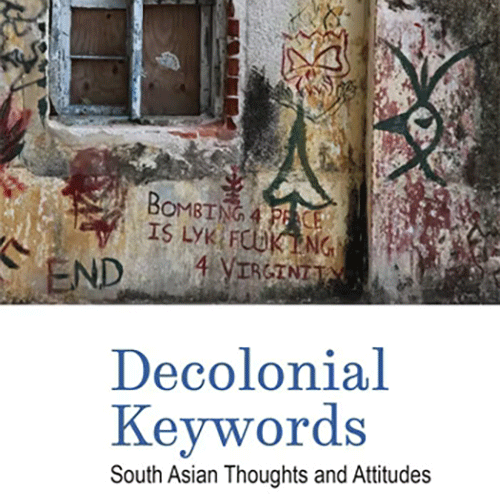
A chapter authored by Neha Mishra and Sayantan Datta, Assistant Professors of Practice, Krea-CWP, titled Paam Padati, has been published in the book Decolonial Keywords: South Asian Thoughts and Attitudes. The book has been published by Tulika Books and Columbia University Press, and has been edited by Sasanka Perera and Renny Thomas.
Brief Note About the Chapter
In this chapter, authors investigate attitudes and practices associated with paam padati — a common greeting among the hijras — through vignettes from online interviews with hijra, transgender and intersex persons. They identify how caste is simultaneously invoked and denied in discursive practices like paam padati. They also document other emerging greetings in hijra collectivities across India (jai shri ram, jai shri mahakaal). In doing so, they identify how contemporary forms of colonialism — like Hindutva/Hindu nationalism — rewrite and redirect the respect borne by gestures of greeting. By analysing their interlocutors’ narratives, they underscore the urgency of decolonial praxis in gender and sexuality studies in India to interrogate (i) the erasure of caste in historicizing cultural practices of gender- and sexually transgressive communities; and (ii) the quest for seeking precolonial roots by invoking one’s belonging to dominant religious collectivities alongside a fractured belonging to the subjugated collectivity. The authors argue that decolonial praxis in gender and sexuality studies includes an analytical lens that combines frameworks of religion, caste and coloniality.
Brief Note About the Book
The volume presents a set of keywords and concepts anchored in the region’s languages and its vast cultural landscape. It reiterates specific attitudes, ways of seeing and methods of doing, embedded in the historical and contemporary experiences in South Asia. The words, concepts, ideas, and attitudes in this volume explore the contexts of their production and how their meanings have changed at different historical moments. Individual essays, from across disciplines, argues for the importance in moving away from the intellectual shackles of colonial and neo-colonial experiences while also not succumbing to the traps of local reductionist nativisms and cultural nationalisms.
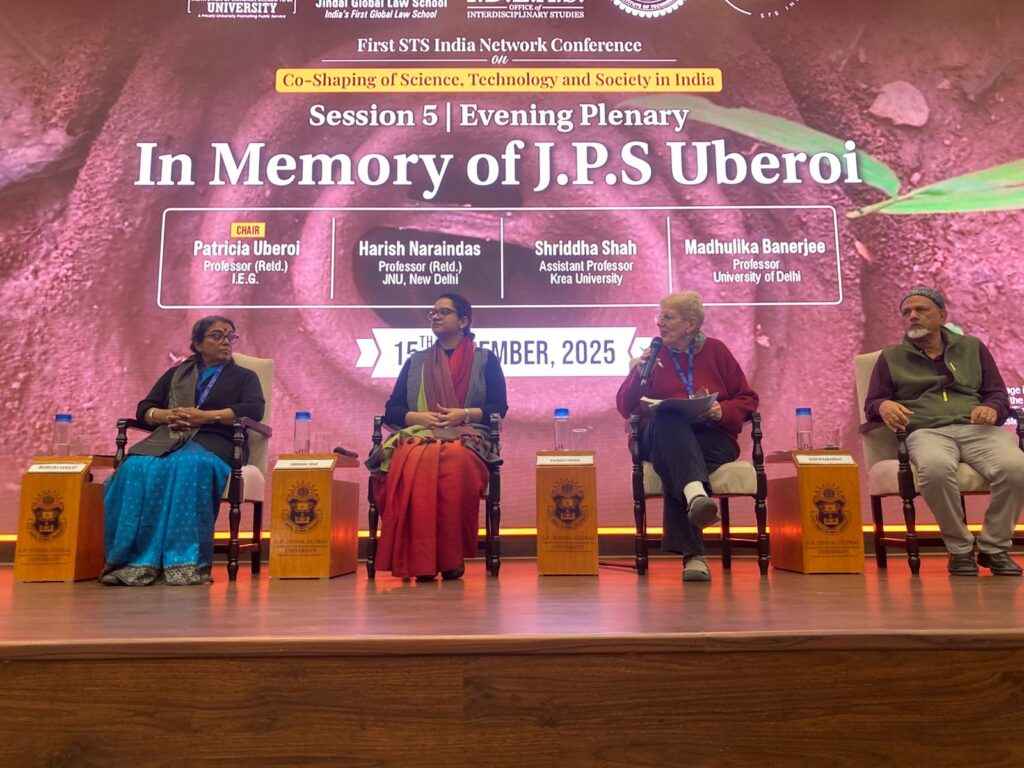
Dr Shriddha Shah, Assistant Professor of Philosophy, SIAS, was invited as a panellist for the session ‘In Memory of JPS Uberoi’ at the STS India Network Conference: Co-shaping of Science, Technology, and Society in India, held from 15–17 December 2025 at OP Jindal Global University, Sonepat, NCR, Delhi.
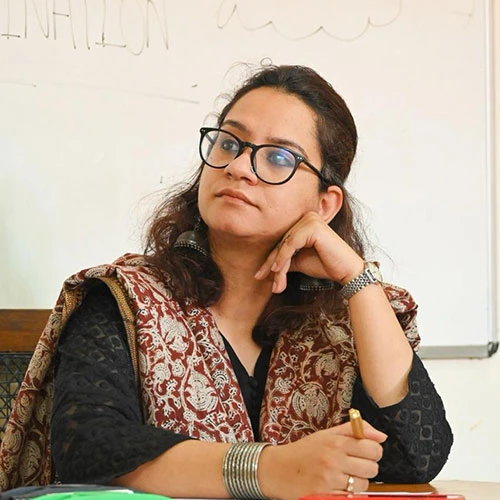
A chapter authored by Sayantan Datta, Assistant Professor of Practice, Krea-CWP, titled Who Gets to Profit from DNA Data?, has been published in The Hindu eBook The Genetic Frontier: How Gene Editing and Synthetic Biology Are Redefining What It Means to Be Human. In this chapter, Datta investigates the data economy surrounding genetic material, asking whether DNA is a resource to be mined or a shared inheritance demanding stewardship and respect.
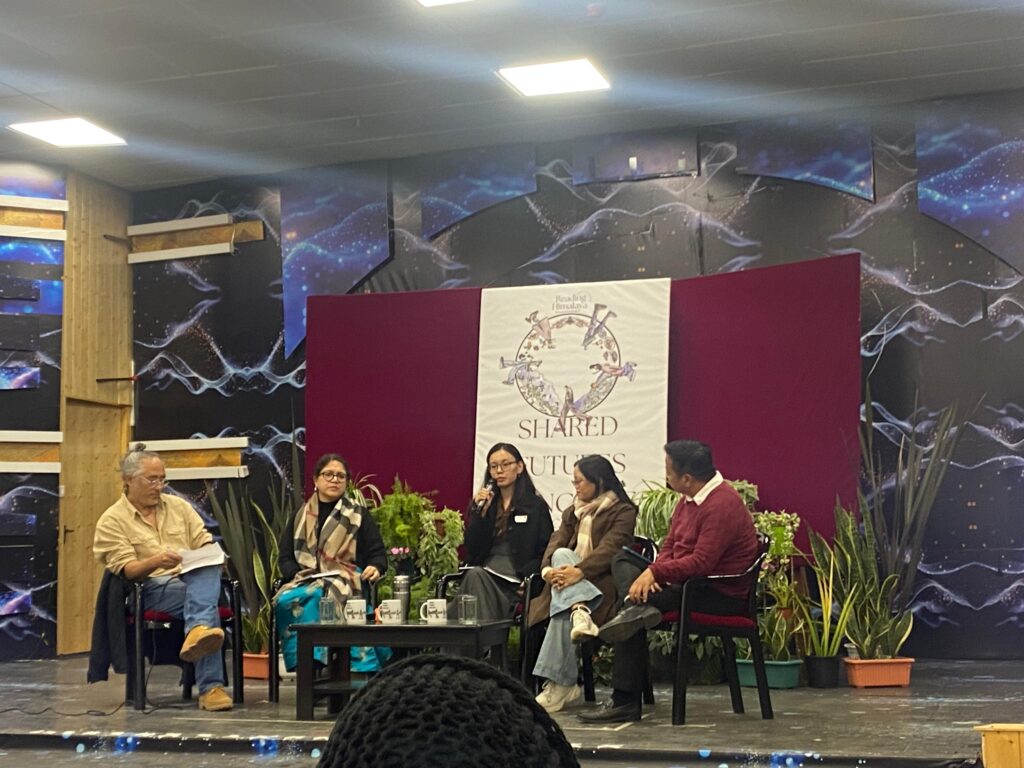
Nangsel Sherpa, Faculty Teaching Associate, Krea-CWP, spoke at the ‘What gets Told?: Media, Memory & Representation’ session of the Shared Futures Conclave, held on 4–5 December 2025 in Gangtok, Sikkim. The Shared Futures Conclave aims to build a sustained platform for dialogue on the socio-environmental and developmental questions central to the Sikkim–Darjeeling Himalaya. Organised in collaboration with Reading Himalaya, the Centre for Himalayan Studies at Shiv Nadar University, and Sikkim University, the Conclave brought together scholars, practitioners, policymakers, community leaders, and media professionals working across the Eastern Himalayan region.
Dr Lakshmi Narayanan Assistant Professor, Environmental Studies, SIAS, participated in the third session of the ANRF PMECRG Lightning Talk Series, an initiative aimed at popularising the Prime Minister’s Early Career Research Grant (PMECRG) Awardees, on 12 December 2025.
During the session, he spoke about his research field and shared insights into his ongoing research project. The event featured multiple awardees and was telecast live on YouTube.