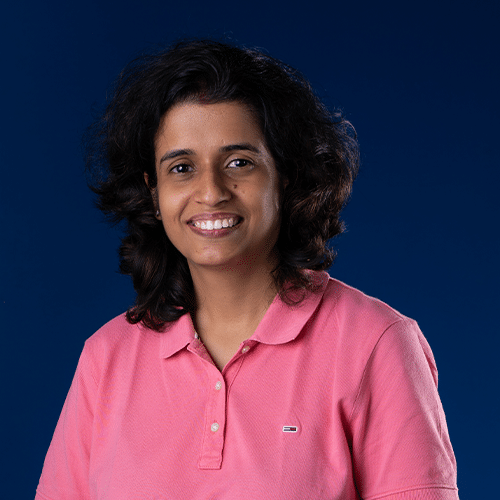
Rising Temperatures, Falling Turnouts: Dr Chirag Dhara’s Perspective on the Impact of Climate Change on Democratic Participation

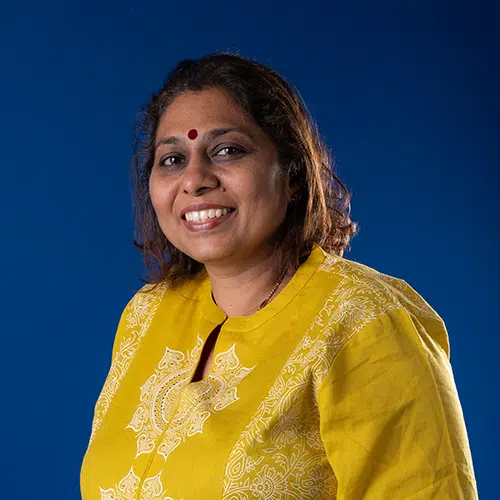
Dr Chirag Dhara, Assistant Professor of Environmental Studies, SIAS, Krea University has authored an article titled India’s Voters Literally Feel the Heat, featured in the magazine Down To Earth and on the online news website The Mooknayak. The article examines India’s extreme heat during the 2024 elections, highlighting the disproportionate impact of climate change on poorer populations and raising concerns about its influence on voter turnout and overall democratic participation. 

Read the article here or here

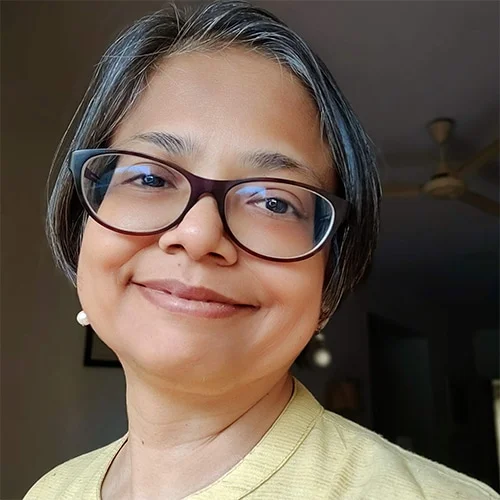
Shweta Rani’s Essay Featured in the Edited Volume ‘Event and Everyday: Empiricisms and Epistemologies’ by Orient BlackSwan

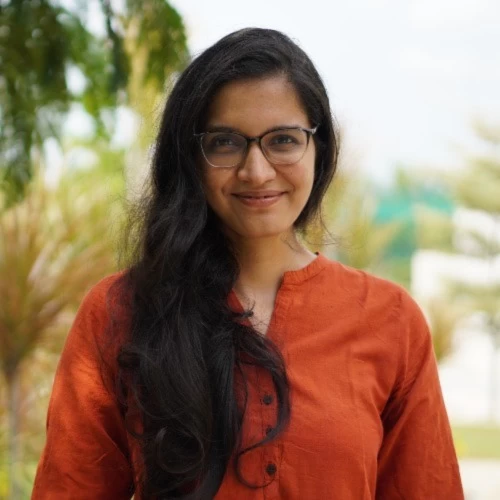
Shweta Rani, Faculty Teaching Associate at the Centre for Writing and Pedagogy (CWP) at Krea University has contributed an essay titled Living with Mosquitoes: Exploring the Dengue Outbreak in Delhi to the edited volume Event and Everyday: Empiricisms and Epistemologies. This volume, edited by Prof Yasmeen Arif, has been published by Orient BlackSwan.

About the Volume 

The volume explores the relationship between Event the extraordinary and Everyday, the ordinary in both concept and practice. Based on Shweta Rani’s fieldwork, her essay in the volume argues that it is productive to explore an epidemic through the everyday multispecies encounters in the city rather than through an episodic imagination of the disease event.

Abstract

In 2015, Delhi witnessed what can now be called the last dengue outbreak in the city. In this article, Shweta Rani draws upon her fieldwork conducted during and since the outbreak to comment on the rubric of Event-Everyday. It investigates how people – city dwellers, medical practitioners, officials, municipal workers, dengue patients, and their caretakers – deal with the persisting presence of mosquitoes in their everyday lives. While state health strategies seek absolute human-mosquito isolation, field narratives portray a more complex picture. For instance, municipal workers assigned the task of ‘killing’ mosquitoes encounter the resilience of an insect as a lifeform. Moreover, people, even while dealing with the dengue outbreak, don’t necessarily perceive its vector as their deadly foe. Shweta Rani argues that these modalities of living with a supposedly undesirable non-human other are too intricate to be captured by the episodic imagination of an event, as the latter is understood in the common parlance. Instead, paying heed to the intertwining of ‘event’ with its apparent antonym, the ‘everyday’, is essential. Establishing everyday’s dynamism and its susceptibility to innovation is analogous to challenging the temporal fixity of an event. Hence, the burden of this work is to demonstrate the potential of everyday to enrich our understanding of an event. The essay ends with potential questions this scholarship might enable us to ask.

Citation

Rani, Shweta. 2024. “Living with Mosquitoes: Exploring the dengue outbreak in Delhi.” In Event-Everyday: Epistemologies and Empiricisms, edited by Yasmeen Arif, 248-267. Orient-Blackswan Press. ISBN no.- 978-93-5442-831-9
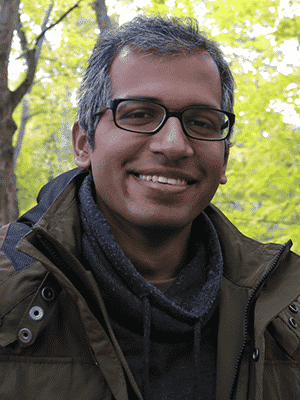
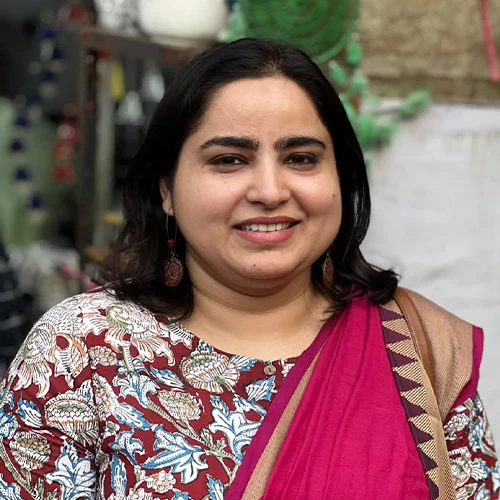
Caste Concerns in Transgender Communities in India: Contesting Cohesiveness, Broadening Horizon(s)

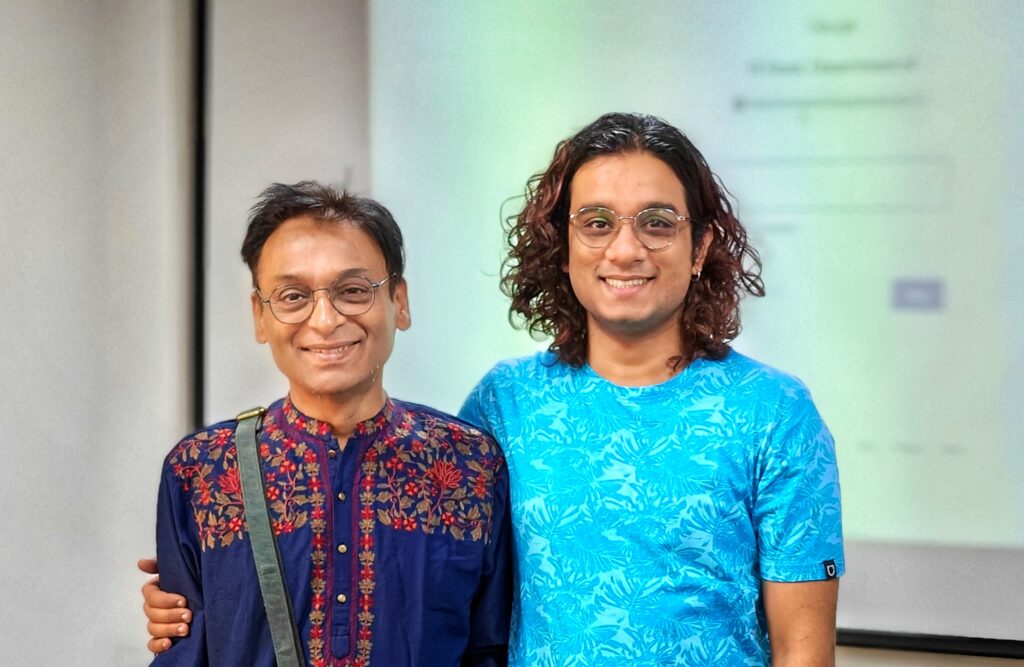
In the paper titled Caste Concerns in Transgender Communities in India: Contesting Cohesiveness, Broadening Horizon(s) in Sage Journals, Prof Pushpesh Kumar, Professor, Department of Sociology, University of Hyderabad and Sayantan Datta, Assistant Professor of Practice, Krea-CWP (Centre for Writing & Pedagogy) historicise the emergence of an anti-caste consciousness in India’s queer- and transgender-rights movements in India

Read More

oplus_48

Does cap-and-trade scheme impact energy efficiency and firm value? Empirical evidence from India

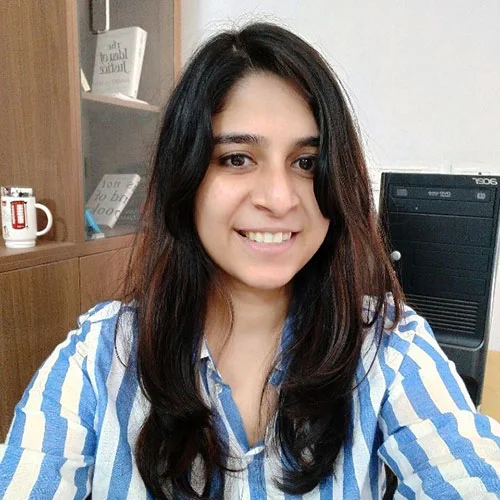
Dr Jyoti Prasad Mukhopadhyay, Associate Professor, Economics & Area Chair – Economics, IFMR GSB, Krea University has co-authored a research paper titled Does cap-and-trade scheme impact energy efficiency and firm value? Empirical evidence from India with Kalyani Pal, PhD student, IFMR GSB, Krea University and Dr Praveen Bhagawan, Associate Professor, Finance, Accounting and Quantitative Finance & Area Chair – Finance, Accounting and Quantitative Finance, IFMR GSB, Krea University. The paper has been published in the journal Energy Economics

Energy Economics is a highly regarded peer-reviewed journal and is categorised as A* as per ABDC classification, Q1 as per Scopus classification with Impact Factor = 12.8 and SJR (2023) = 3.56.

Read here

Dr Srajana Kaikini has been Awarded an IFA Grant under their Archives and Museums Projects

Dr Srajana Kaikini, Assistant Professor of Philosophy, SIAS, Krea University has been awarded an IFA Grant under their Archives and Museums Projects for one year 2024-25, to work with the collection at the Zapurza Museum of Arts and Culture, Pune. Dr Kaikini as the Principal Investigator, will be researching the narratives of the intellectual history of Bombay and Pune of the 19th and 20th centuries and will situate the museum and its collection within the larger context of the history of Pune and its traditions of ‘avant-garde’ and the manners in which it intersected with its pre-modern, and modern historical inheritance.

Read about the grant  here:

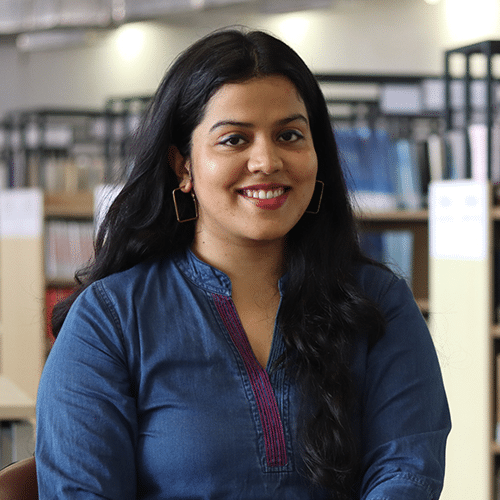
Dr Anannya Dasgupta Authors a Set of Haiku Poetry in the Anthology of Late-Blooming Cherries

A set of haiku by Dr Anannya Dasgupta, Director, Krea-CWP (Centre for Writing and Pedagogy) is hot off the press as a part of an anthology of haiku poetry entitled Late-Blooming Cherries (Harper Collins India, 2024)Compiled and edited by Kynpham Sing Nongkynrih and Rimi Nath, Late-Blooming Cherries features contributions from some of the most prominent haiku artists in India. 

Purchase the book here

Dr Swayam Sampurna Panigrahi Authors a Paper Uncovering Barriers to Efficient Coal Supply in Non-Core Industries

Dr Swayam Sampurna Panigrahi, Assistant Professor, Operations, IFMR GSB, Krea University published a paper titled Exploring barriers towards effective coal supply – A non-core perspective using ISM-DEMATEL in the journal Resources Policy. The publication is co-authored with Dr Rajesh Katiyar, International Management Institute, Bhubaneswar, Dr Ranjit Roy Ghatak, International Management Institute, Bhubaneswar, and Dr Ritu Singh, Indian Institute of Management, Raipur. 

While other energy sources are becoming more popular, India is expected to continue to depend on coal in the coming years. This study aims to identify and assess barriers to the efficient supply of coal to non-core industries reliant on this energy source. Employing a hybrid approach combining Interpretive Structural Modeling (ISM) and Decision-Making Trial and Evaluation Laboratory (DEMATEL), the authors analyse the hierarchical structure and causal relationships among barriers affecting the coal sourcing process. The hybrid model emphasizes that the ‘biased government approach’ and ‘lack of mining technology and infrastructure’ are crucial barriers. These key barriers exert a substantial influence on other factors within the scope of our study. Unlike earlier studies, this research enhances theoretical understanding by thoroughly exploring barriers to effective coal sourcing strategies. Policymakers engaged in decision-making for the non-core coal-dependent sector in India can benefit from this research. Attention should be directed towards addressing key barriers influencing effective coal sourcing, specifically focusing on ‘biased approach by the government’, ‘lack of mining technology and infrastructure’, ‘social and political constraints’, ‘low research and development’, and ‘lack of skilled personnel’.

Read the publication here or here.