Professor Srinivasan Kalyanasundaram, Professor of Practice, Finance, IFMR GSB, has successfully completed the Fundamentals of Case Teaching course by Harvard Business Publishing.

Professor Srinivasan Kalyanasundaram, Professor of Practice, Finance, IFMR GSB, has successfully completed the Fundamentals of Case Teaching course by Harvard Business Publishing.
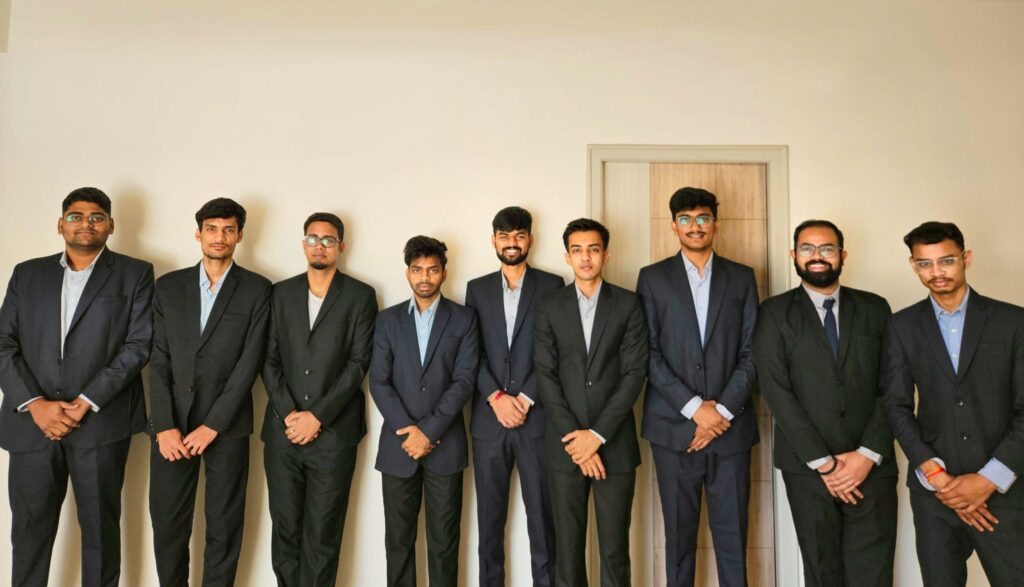
A group of students from the MBA cohort of 2024-26, IFMR GSB is undertaking a Live Project on pairs trading strategies, a technique widely used by hedge funds. They are exploring various approaches, including statistical, technical, and fundamental analysis. This Live Project is being offered by Paterson Securities Pvt Ltd under the mentorship of Balachandran Venkataraman, a Student Mentor specialising in Derivatives, Risk Management, and Analytics, as well as a Business and Management Consultant.
With a track record of mentoring over 1,000 MBA students, Balachandran has consistently nurtured industry-ready professionals. Through this project, students are applying theoretical concepts to develop and backtest practical strategies.Impressively, their performance in technical analysis has earned them another Live Project on derivatives and market risk management, starting in mid-April.
The participating students are Ritam Sen, Swastik Rao, Viraj Patil, Prathamesh Tavhare, Rishi Raj, Kumar Eklavya, Sanchay Nagar, Kunal Sen, and Harsh Vardhan Mishra.
Dr Chirag Dhara, Assistant Professor, Environmental Studies, SIAS, delivered a talk at the Centre for Economic Studies and Planning (CESP), Jawaharlal Nehru University, Delhi, on 18 March 2025. The talk, titled “Inequality and Climate Destabilisation,” was part of the CESP Seminar Series 2025.
Abstract
How would the world have warmed if each country’s lifestyle had been globally adopted? Our analysis reveals that universalising the lifestyles of most industrialised countries would have warmed the planet by over 1.5°C by 2002. Thus, the current (relative) climate stability is owed to the modest lifestyles of the global majority. Many consequences follow.
Dr Joya John, Assistant Professor, Literature, SIAS, has been selected to attend the Balzan Colloquium at the Institute of World Literature, Harvard University, from 30 June to 24 July 2025. The three-week colloquium brings together participants from five regions of the world: Africa, Eastern Europe, Latin America, the Middle East, and South/Southeast Asia. Each year, the colloquium focuses on a specific topic with implications for world literature. In 2025, the theme will be ‘Literature and Environmental Crisis’. Participants will meet weekly to share and discuss their work on the topic and will be invited to submit their essays for a special issue of the Journal of World Literature, scheduled for publication in the fall of the following year.

Dr Chirag Dhara, Assistant Professor, Environmental Studies, SIAS, along with Dr Soumyajit Bhar, has penned an op-ed in The Hindu titled The dangerous illusion cast by development rankings. The authors articulate a new vision of sustainable development, discussing how the United Nations Development Program has shaped countries’ perceptions of progress for decades. They argue that its conception of development is outdated and incompatible with advances in sustainability science. The piece proposes a new framework for development in the 21st century.
Dr Swayam Sampurna Panigrahi, Assistant Professor, Operations and Area Chair – Operations, IFMR GSB, delivered a guest lecture on Supply Chain Sustainability on 13 March 2025 in a research seminar on ‘Sustainable Manufacturing and Operations: Bridging Academic Insights and Industry Practices,’ organised by the Department of Operations Management, Tshwane University of Technology, Pretoria, South Africa. The lecture was delivered online.
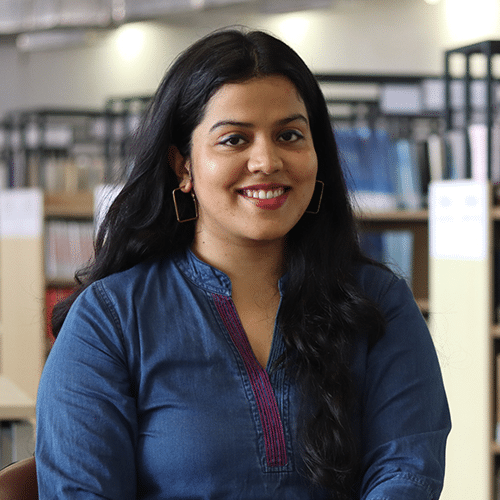
The National Human Resource Development Network (NHRDN) Student Chapter at IFMR GSB, Krea University, hosted the HR Conclave 2025 on 8 March 2025. The event brought together thought leaders, industry experts, and aspiring professionals to engage in insightful discussions about the evolving landscape of human resources and leadership.
Keynote Address by Professor T V Rao – The Father of HRD in India
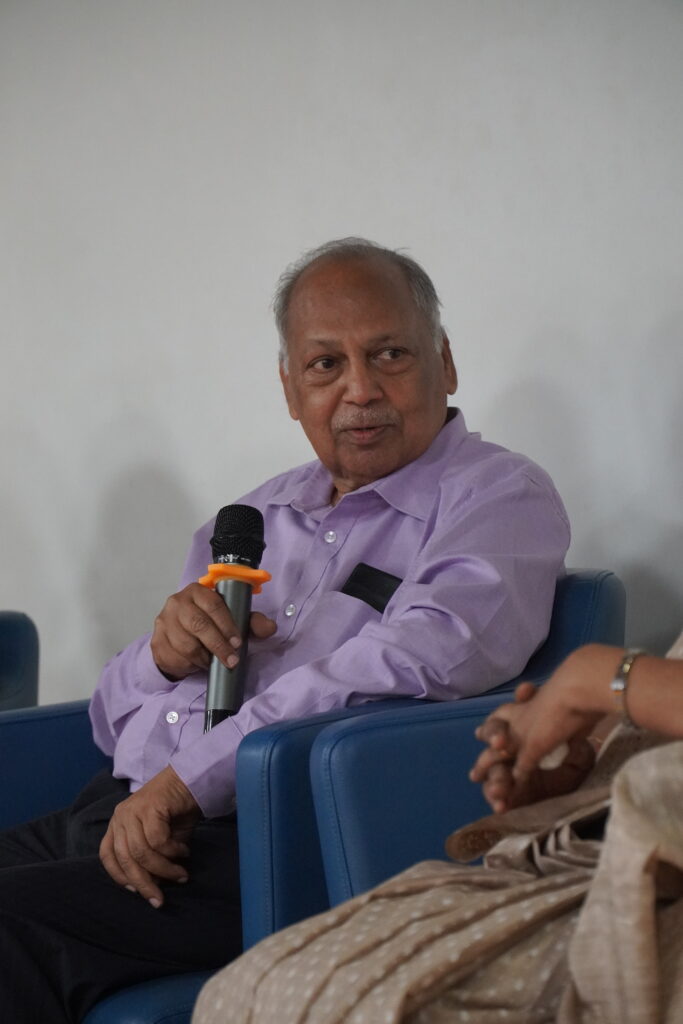
The event commenced with a compelling keynote address by Professor T V Rao, Founder President of NHRDN, on the theme of “Effective People.” He encouraged participants to recognise their strengths and use them for the betterment of society. Proffesor Rao classified individuals into three categories:
His inspiring words urged attendees to aspire towards becoming visionaries, leveraging their unique talents to bring about positive change.
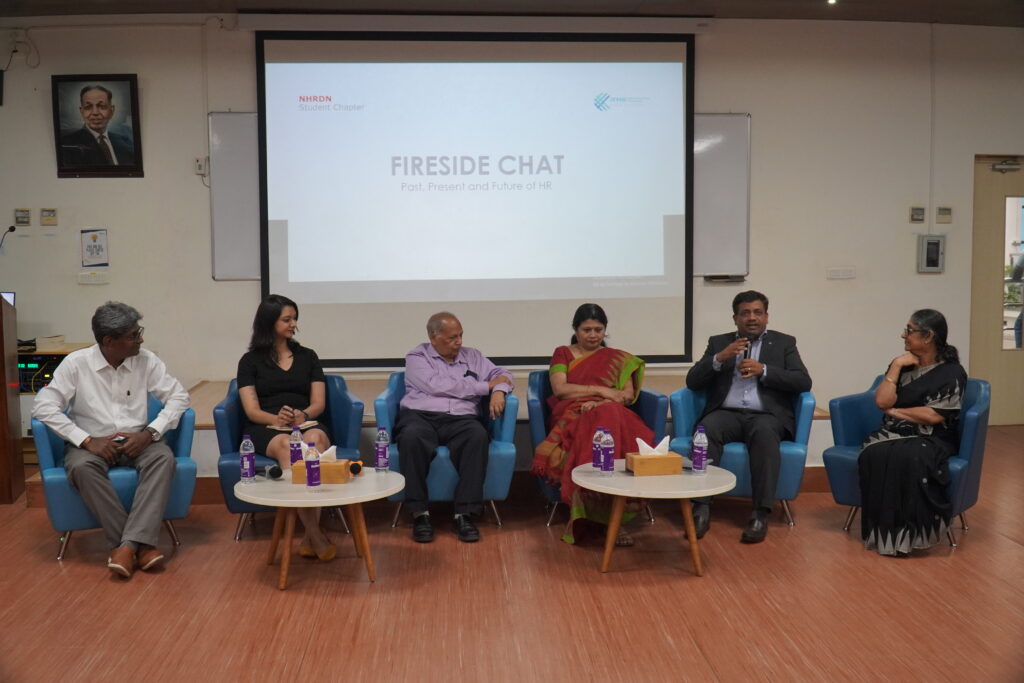
Fireside Chat: “Past, Present, and Future of HR”
A dynamic fireside chat followed, featuring distinguished HR professionals who shared their experiences, career-defining moments, and insights into the future of HR. The panellists and key takeaways from their discussion included:
A Platform for Learning and Networking
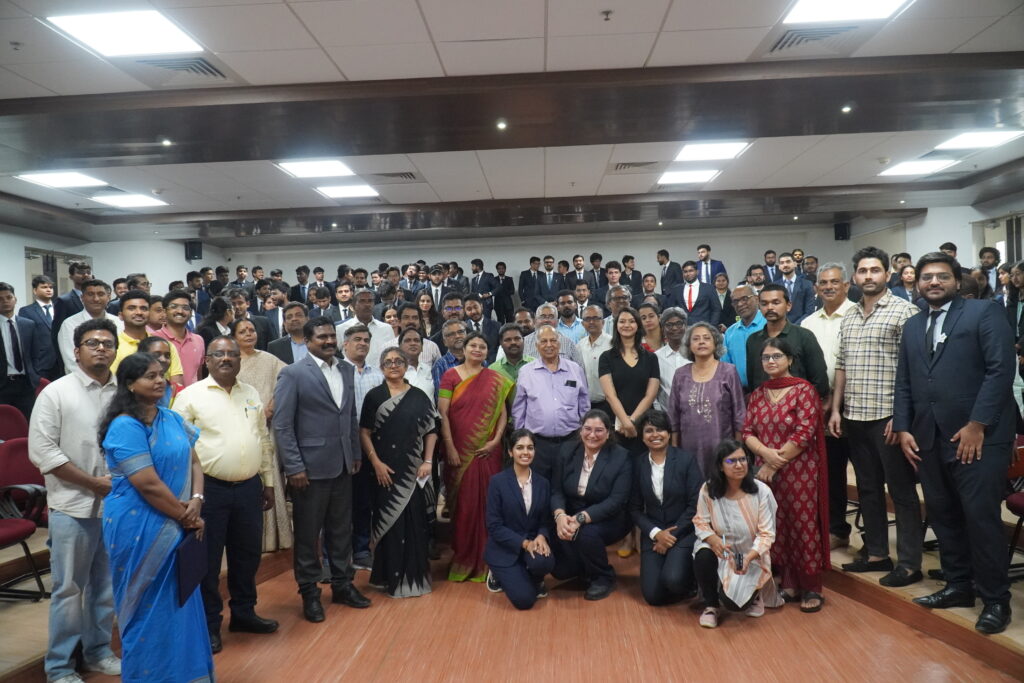
HR Conclave 2025 provided students and professionals with a unique opportunity to learn from industry experts, exchange ideas, and gain valuable insights into the ever-evolving HR landscape. The event was a resounding success, reinforcing IFMR GSB’s commitment to fostering meaningful industry-academic collaboration.
Photo Courtesy: Media Lab, Krea University and Shutterbugs – Photography Club at IFMR GSB
SIAS students Sparsh Makharia, Vatsalya Betala, and Aarav Akali (Cohort 2022-26) secured 2nd place at the prestigious EMPOWER Hackathon, an inter-college competition hosted by IIM Ahmedabad’s Social Innovation Club (IDEOS), Ashoka University’s Social Impact Club (Anitya), and the CS Society of Ashoka University.
The EMPOWER Hackathon: Tech for Social Good brought together students from across India to develop innovative, technology-driven solutions addressing pressing social challenges. Competing against 162 participants, the team showcased exceptional problem-solving, technical expertise, and entrepreneurial thinking, delivering a solution that stood out among the top contenders.
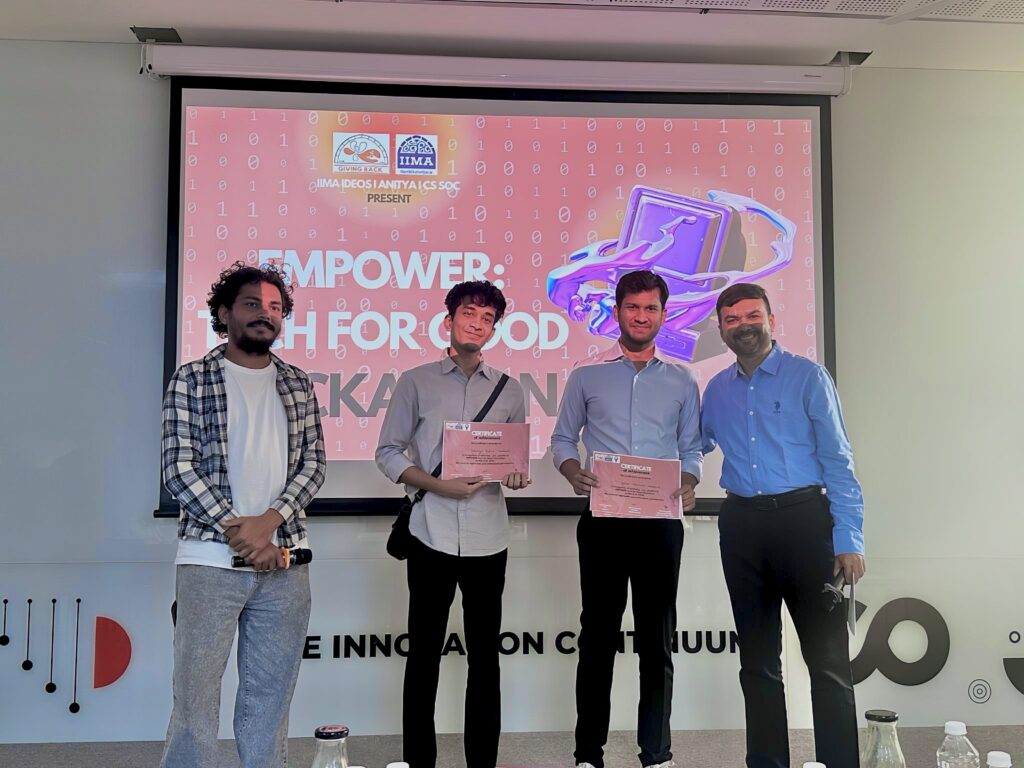
Their project, PlantGuard, is an offline hardware-integrated AI system for real-time plant disease detection. It leverages three AI models to analyse plant health and provides farmers with instant feedback, helping them take timely preventive measures. The Hackathon involved an online round, and a final in-person pitch and prototype demonstration at IIM Ahmedabad, concluding in a podium finish for the team.
This achievement was made possible with the support of Krea University’s Cyber Club, which provided essential hardware components and assisted with transportation to IIM Ahmedabad, ensuring the team could participate and present their solution at the final round.
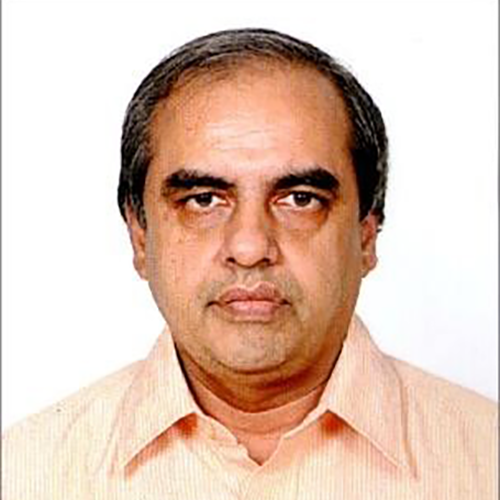
IFMR GSB faculty members, Professor Srinivasan Kalyanasundaram, Professor of Practice, Professor Balasubramanian G, Senior Professor and Advisor, Finance, Accounting and Quantitative Finance and Professor Jayaram Ramakrishnan, Professor of Practice, Finance have authored an article on, Navigating Digital Transformation in BFSI Organisations. The same has been published in the 25 March issue of The Management Accountant, the prestigious official magazine of The Institute of Cost Accountants of India. The magazine has a readership in over 94 countries globally.
Read more
(please refer pages 85 – 88)
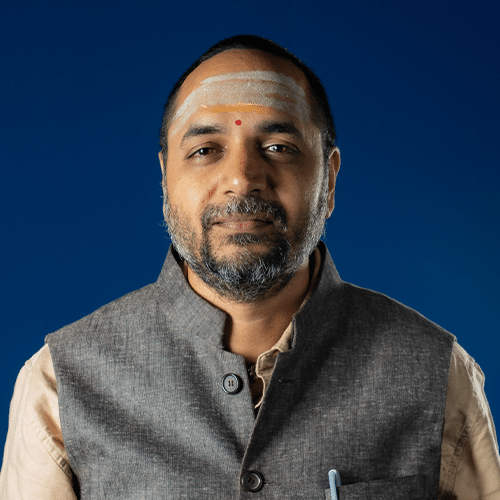
Kaustav Mehta, Teaching Fellow, Data Science, SIAS’ undergraduate capstone thesis titled ‘Exploring comorbidity networks in mild traumatic brain injury subjects through graph theory: a traumatic brain injury model systems study’ has been published in BMC Neurology. The paper is co-authored by Dr Shyam Kumar Sudhakar, Assistant Professor, Biological Sciences, SIAS.