IFMR GSB Professors Collaborate with Government of India to Document Best Practices Case Studies in Public Administration, Contributing to the Launch of ‘Amrit Gyaan Kosh’

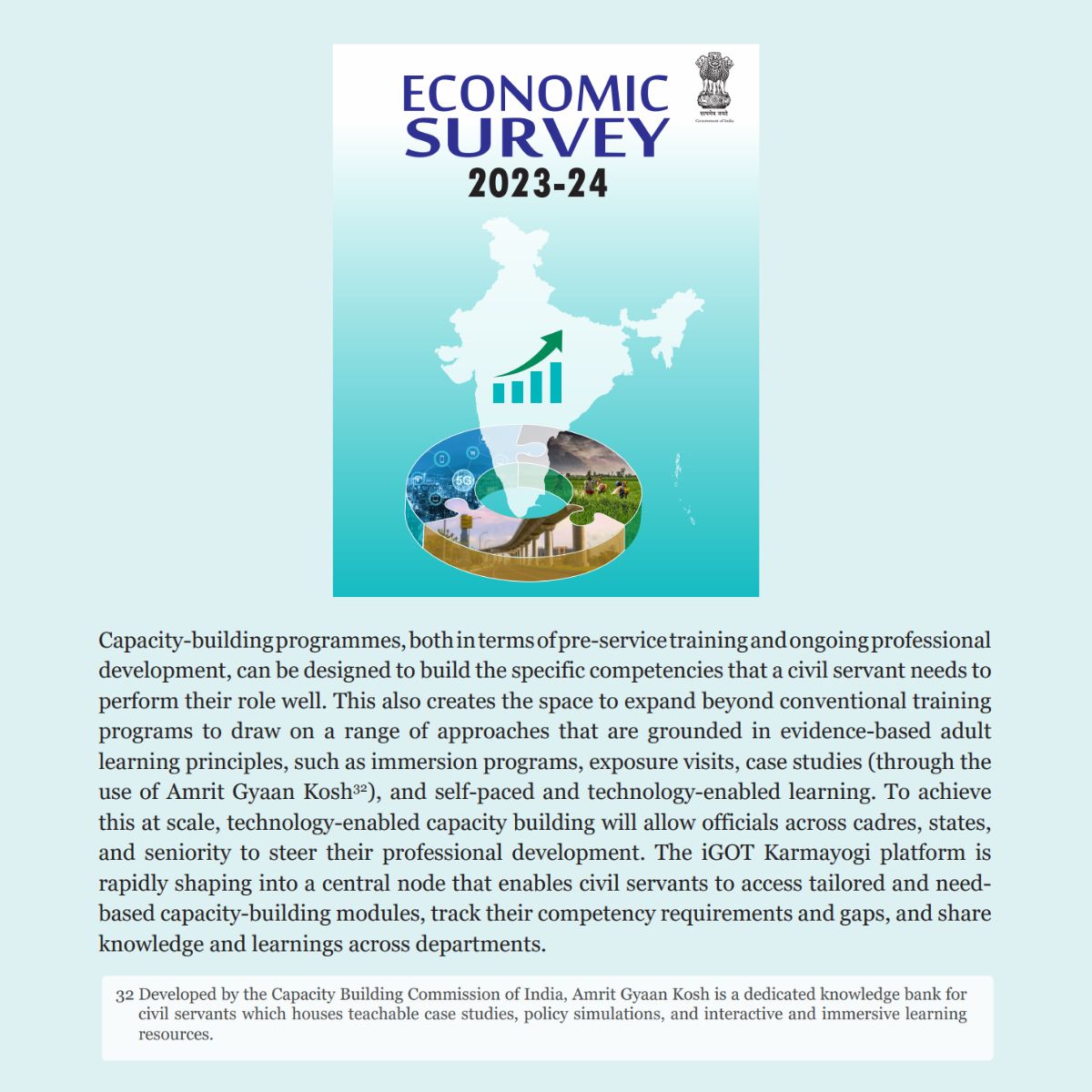
Last year, the Government of India’s Capacity Building Commission initiated the documentation of best practices case studies in the Indian public administration system. Professor Lakshmi Kumar, Dean, IFMR GSB (Graduate School of Business), Krea University, spearheaded the initiative to collaborate with the Capacity Building Commission to document around ten case studies as a part of Amrit Gyaan Kosh knowledge bank.

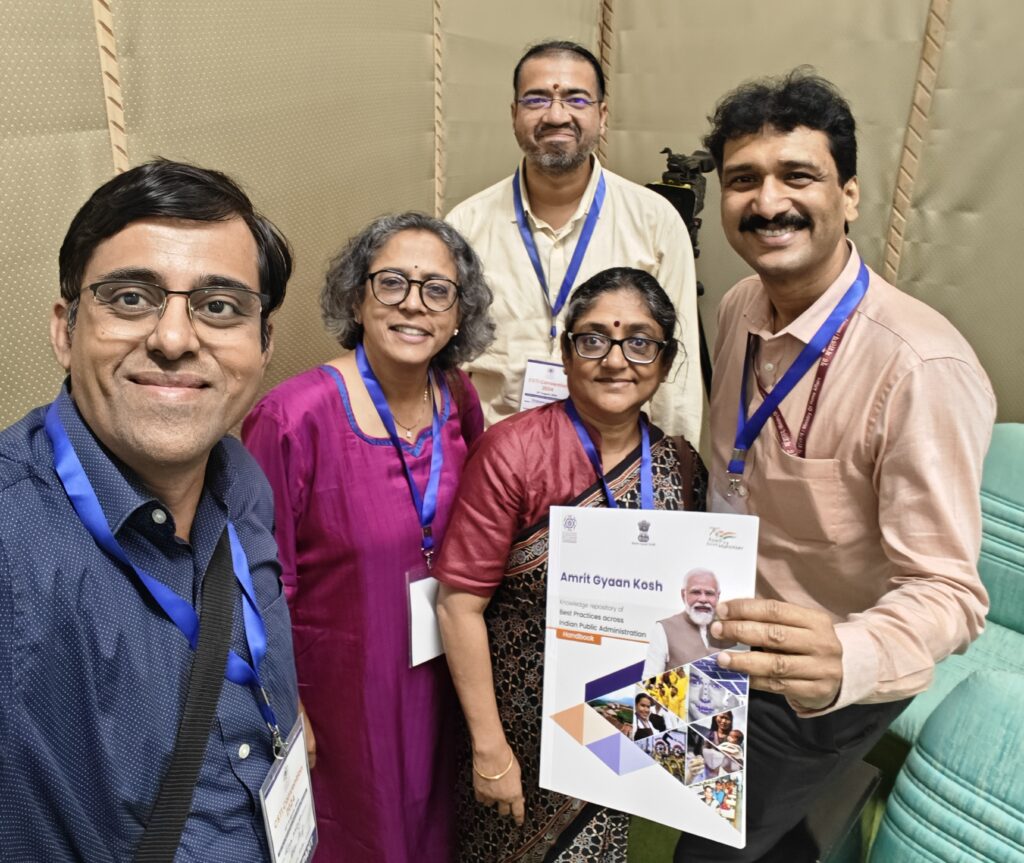
Six professors from IFMR GSB including — Professor Lakshmi Kumar; Professor Vijayalakshmi C, Professor, OB & HR; Professor Chandrasekaran N, Professor, Operations Management & Chairperson – Examinations and Assessments; Sathyanarayanan R, Sundram Fasteners Associate Professor, Marketing; Dr Jayasankar Ramanathan, Associate Professor, Marketing and Dr V N Rajesh, Associate Professor, Data Science & Information Systems and Area Chair – Data Science & Information Systems — volunteered for this task and have written these case studies, documenting some of the outstanding initiatives and best practices of our civil servants around the country in various states and departments.

During the Civil Service Training Institutions (CSTI) Convention 2024, organised by the Government of India’s Capacity Building Commission on 12 August, 2024 in New Delhi, the “Amrit Gyaan Kosh” was launched by Dr Jitendra Sigh — the Honourable Union Minister of State (Independent Charge) of the Ministry of Science and Technology, Minister of State (Independent Charge) of the Ministry of Earth Sciences, Minister of State in the Prime Minister’s Office, Minister of State in the Ministry of Personnel, Public Grievances and Pensions, Minister of State in the Department of Atomic Energy & Minister of State in the Department of Space. IFMR GSB professors were also honoured with an invitation to attend the launch.

For more information

Dr V Anantha Nageswaran, Chief Economic Advisor to the Government of India, Delivered a Lecture on India’s Development Paradigm till 2047: Opportunities and Challenges

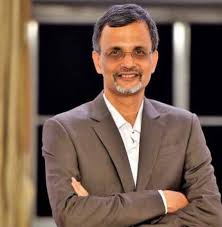
On 13 August, 2024, we had the privilege of listening to Dr V Anantha Nageswaran, Chief Economic Advisor to the Government of India, deliver a lecture on the topic India’s Development Paradigm till 2047: Opportunities and Challenges. Dr Nageswaran discussed key aspects of the economic survey that were reflected in the budget, highlighting the opportunities ahead and the challenges we may encounter. He also elaborated on the direction of India’s economic path and the factors shaping it.

A central theme of the discussion was the importance of considering India’s economic events within a global context. Dr Nageswaran emphasised this point, stating, “So, for example, when you hear complaints about India’s trade policies, you must place them in the context of the global numbers of protective measures taken by different countries over the years.” Dr Nageswaran also addressed other critical topics such as geopolitics, climate change, and the energy transition, both in Indian and international contexts, as essential factors in shaping India’s growth over the next few decades.

The talk delved into the current state of the Indian economy, the reasoning behind recent decisions, and the opportunities and challenges that lie ahead, along with possible solutions. Dr Nageswaran also explained the rationale behind budgetary choices, noting, for instance, “So there is much more to be done in terms of skilling, and that is why this year’s budget created incentives for skilling.” The talk provided valuable insights into India’s development path and was an immensely enlightening experience.

(Reported by Pranvi Khare, Cohort of 2027, SIAS)

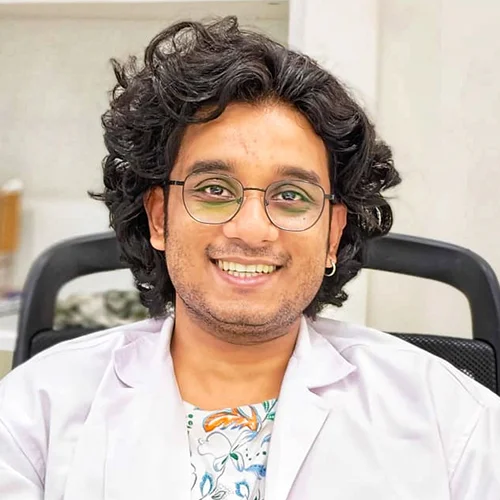
Sayantan Datta authors a news report for The Hindu

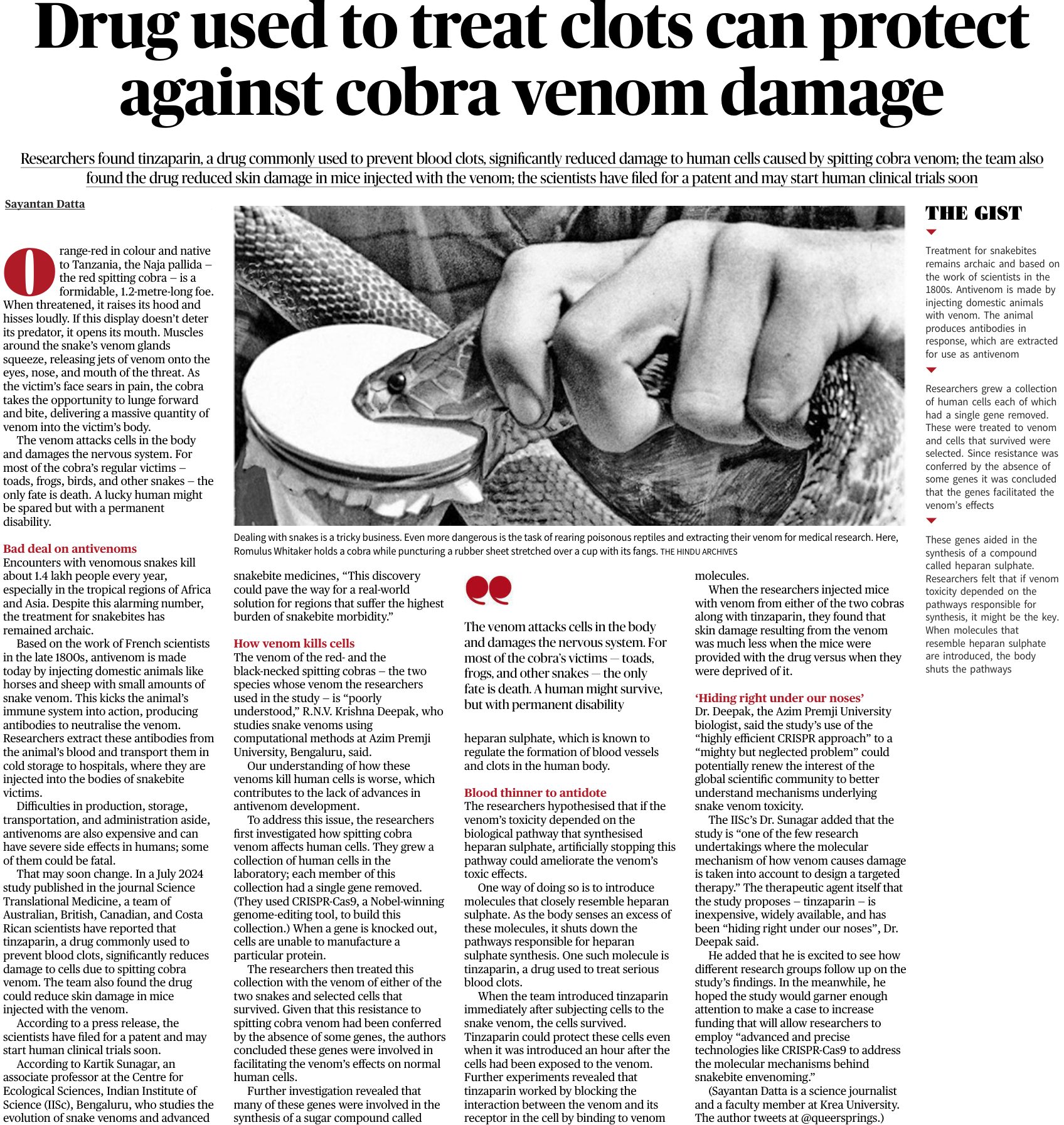
Sayantan Datta, Assistant Professor of Practice, Krea-CWP (Centre for Writing and Pedagogy), has authored an article titled Drug used to treat clots can protect against cobra venom damage for The Hindu. In their latest report, Sayantan covers a recent study providing evidence that a common medicine used to treat blood clots could hold the key to effective management of toxicity resulting from spitting cobra venom.

Know More

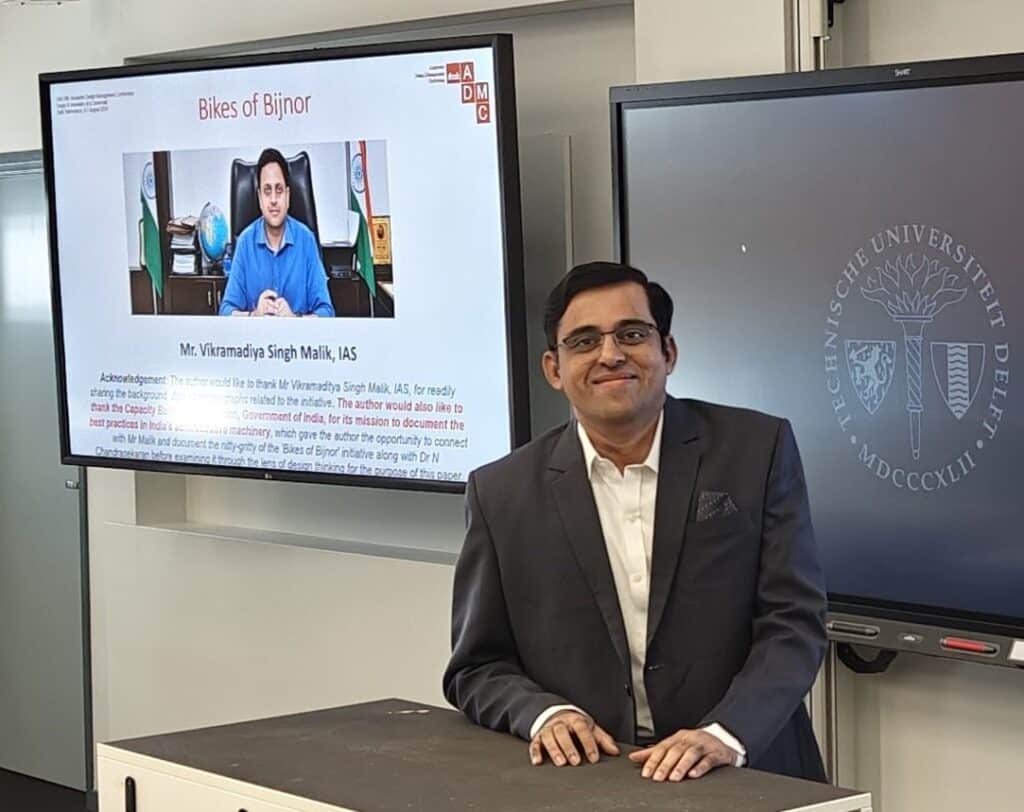
Sathyanarayanan Ramachandran presented a paper at Academic Design Management Conference 2024, Netherlands

Sathyanarayanan Ramachandran, Sundram Fasteners Associate Professor, Marketing, IFMR GSB, Krea University successfully presented his paper Design Thinking View on an affordable public bike-sharing project from India during the Academic Design Management Conference 2024 held at TU Delft, Netherlands, on 6 and 7 August, 2024. The paper was based on the innovative “Bikes of Bijnor” project as an illustrative case for design thinking and marketing orientation in public action programmes for multiple stakeholder benefits. He also enlightened the audience about planned vs intuitive processes with several Indian and transnational examples. The perspective was well received and greatly appreciated by the diverse global audience who attended this prestigious international conference.

Krea University Hosts Book Launch and Talk by Former Chief Economic Adviser on India’s Economic Future

Krea University Hosts Book Launch and Talk by Former Chief Economic Adviser on India’s Economic Future

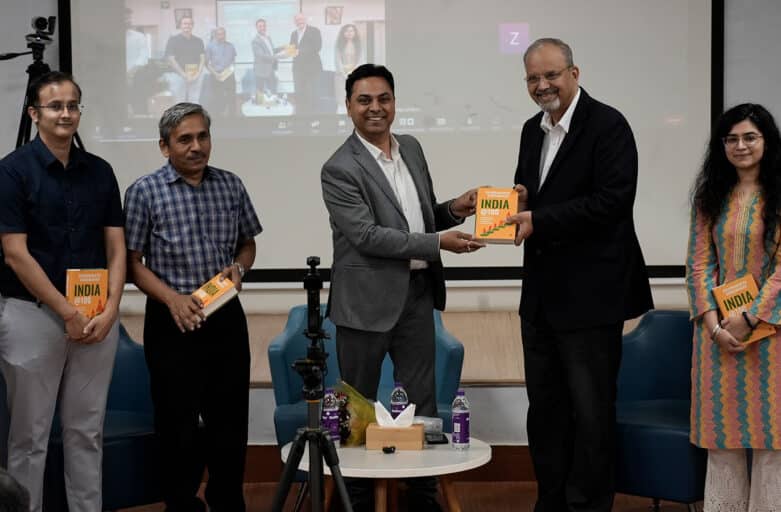
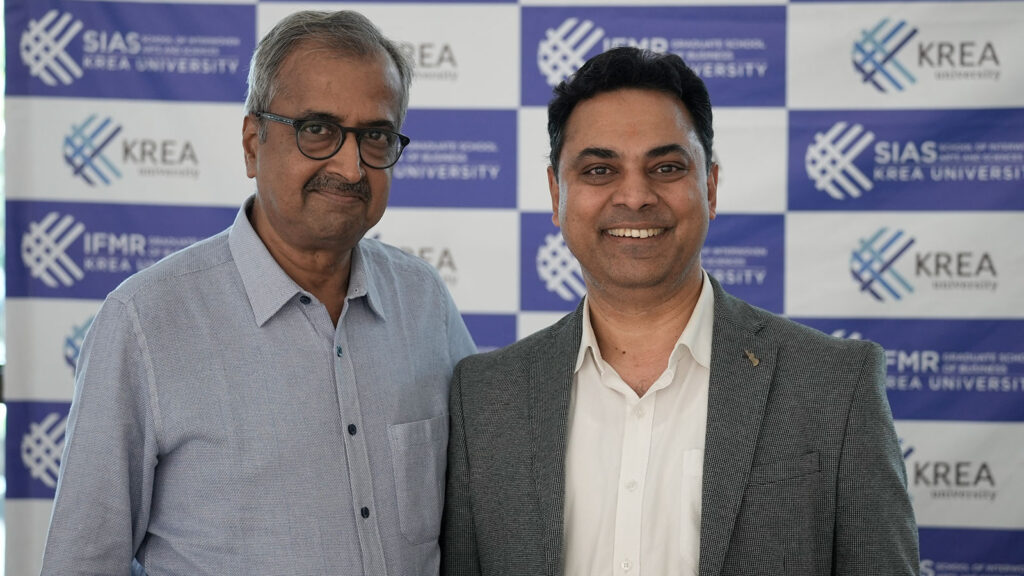
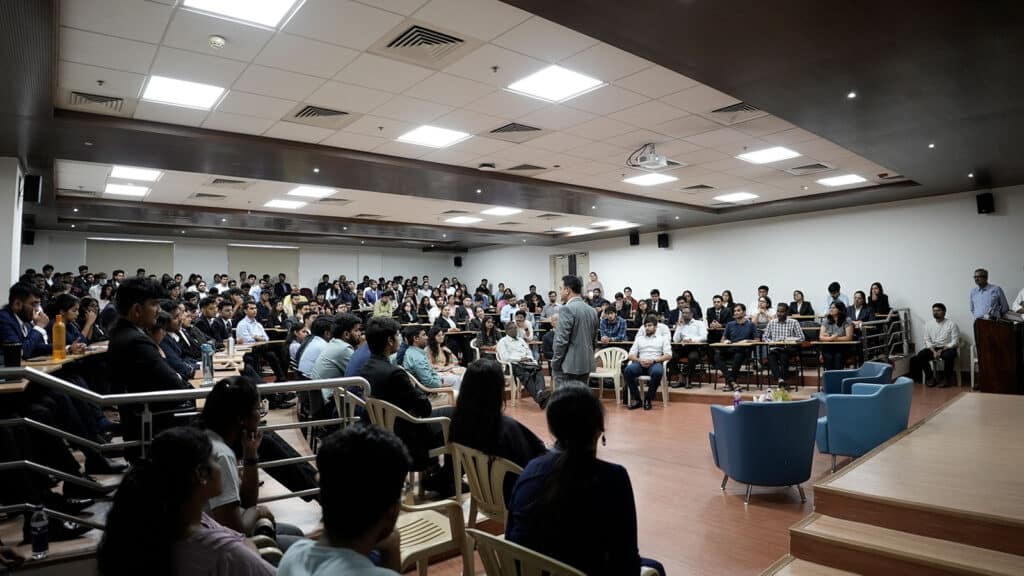
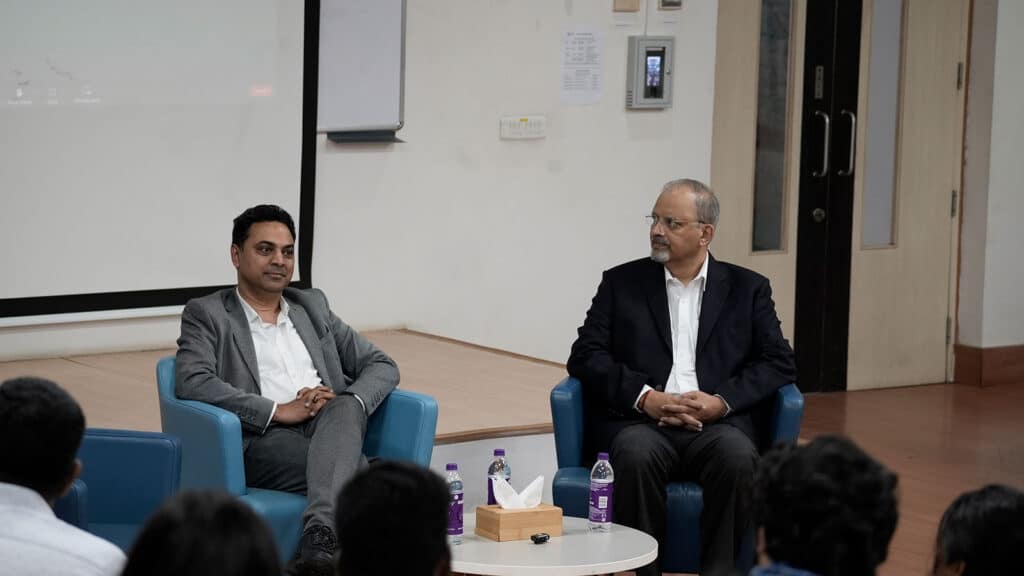
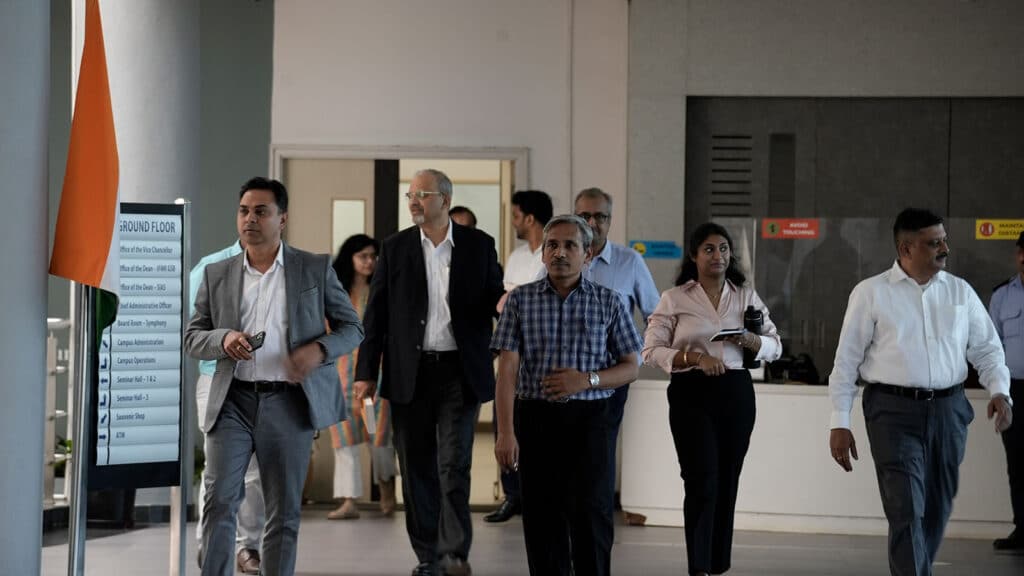
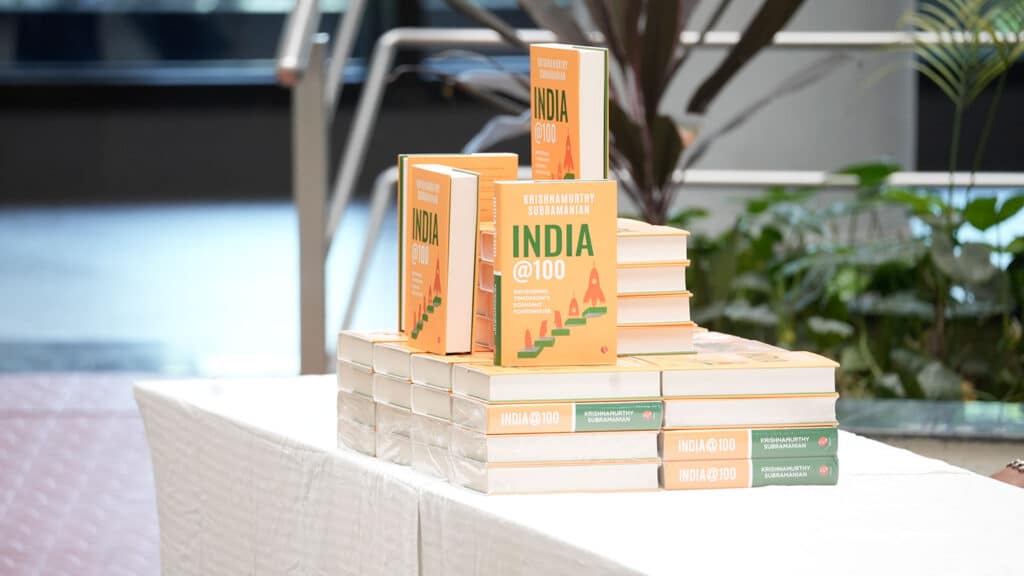
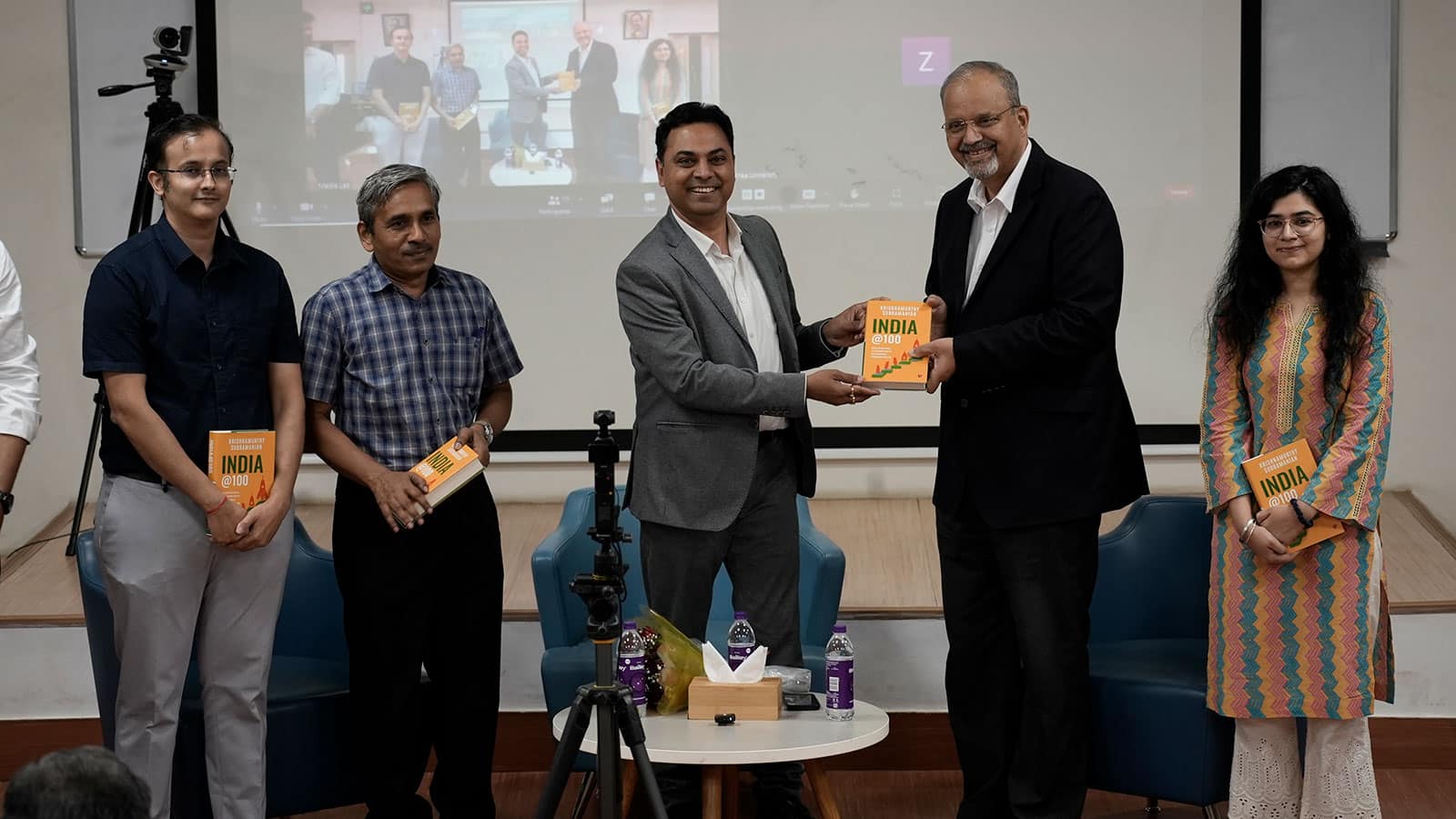
Krea University presented India@100: Envisioning Tomorrow’s Economic Powerhouse – a book launch and talk by Professor Krishnamurthy V Subramanian, Executive Director, International Monetary Fund (IMF) and Professor of Finance (on leave), Indian School of Business (ISB) on 9 August, 2024 at Krea University, Sri City campus.

The event featured the launch of the book India@100: Envisioning Tomorrow’s Economic Powerhouse by Professor Krishnamurthy V Subramanian.

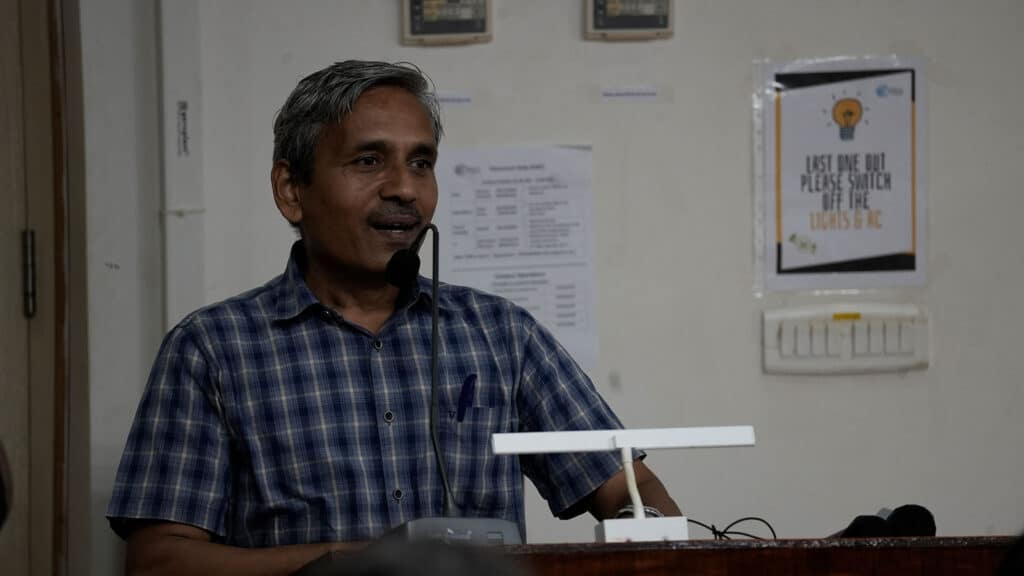
Carolynn Kurien, a second-year BBA student at IFMR GSB (Graduate School of Business) and Sneha Sucharita Palei, a third-year BA student (Economics major) at SIAS (School of Interwoven Arts and Sciences) welcomed Professor Subramanian. The event commenced with an address by Professor S Sivakumar, Dean, Research and Professor of Physics, SIAS, Krea University. Professor Subramanian presented copies of his book to distinguished guests, including Dr Suchika Chopra, Assistant Professor of Economics, SIAS, Krea University; Dr Rohan Gudibande, Assistant Professor, SIAS, Krea University; Dr Soumya Pal, Assistant Professor, IFMR GSB, Krea University; Satish Kamat, President, Sri City Operations and to the Krea University library. 

All About Economy
The session that followed delved into the pivotal themes of the book, highlighting the transformative opportunities that await India and the essential reforms needed to realise the vision of a $55 trillion economy by 2047.

The book, underpinned by thorough research and insightful analysis, identified four critical pillars for India’s growth: the macroeconomic emphasis on growth, strategies to sustain and accelerate economic growth; the microeconomic focus on social and economic inclusion, policies to ensure equitable growth; the vision of ethical wealth creation, encouraging wealth creation that aligns with ethical principles; and the strategy of a virtuous cycle triggered by investment, leveraging investments to create a self-sustaining growth cycle.

Of Inputs and Insights
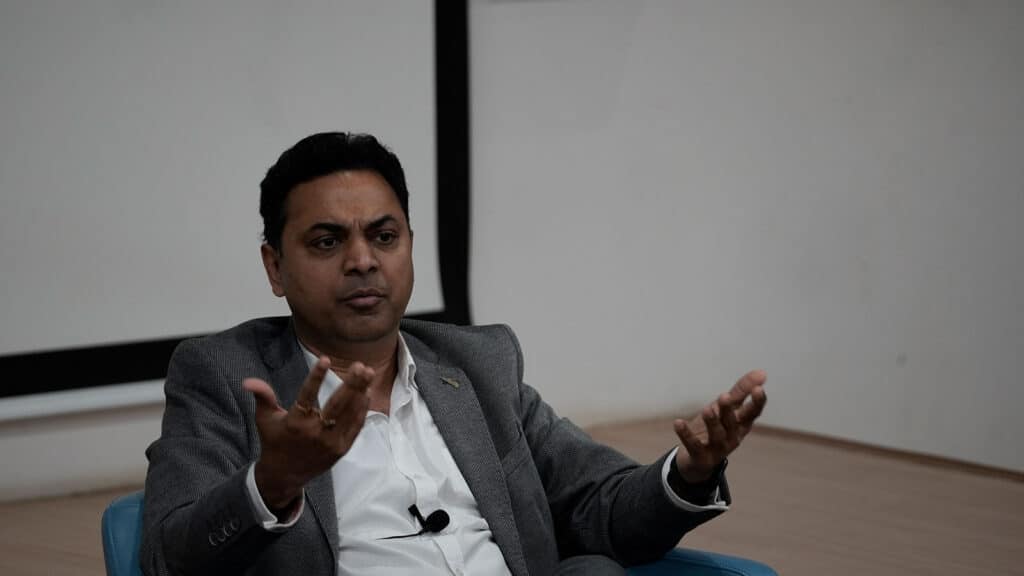
The author presented a once-in-several-centuries opportunity for India to emerge as a global economic powerhouse. His talk provided students with a broader understanding of the Indian economy by offering key analyses comparing India with other global economic powerhouses, and highlighting how India could become one of the top destinations for career growth in the future.

Professor Subramanian remarked, “India is the place to be in the next two and a half decades,” explaining how India’s GDP is doubling every six years and how this growth can significantly impact the nation’s economy and the financial prospects of every Indian citizen aspiring to achieve their goals.

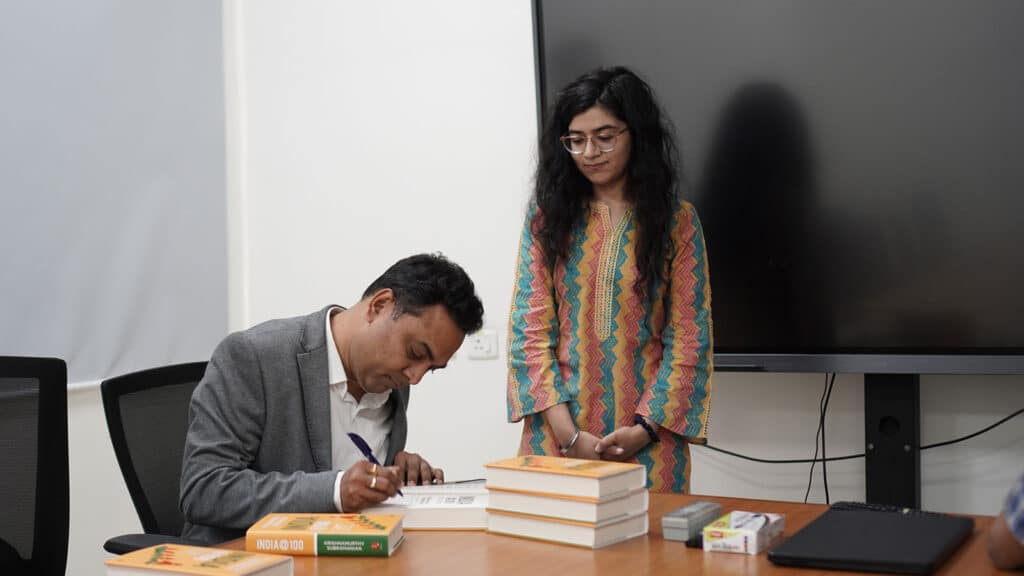
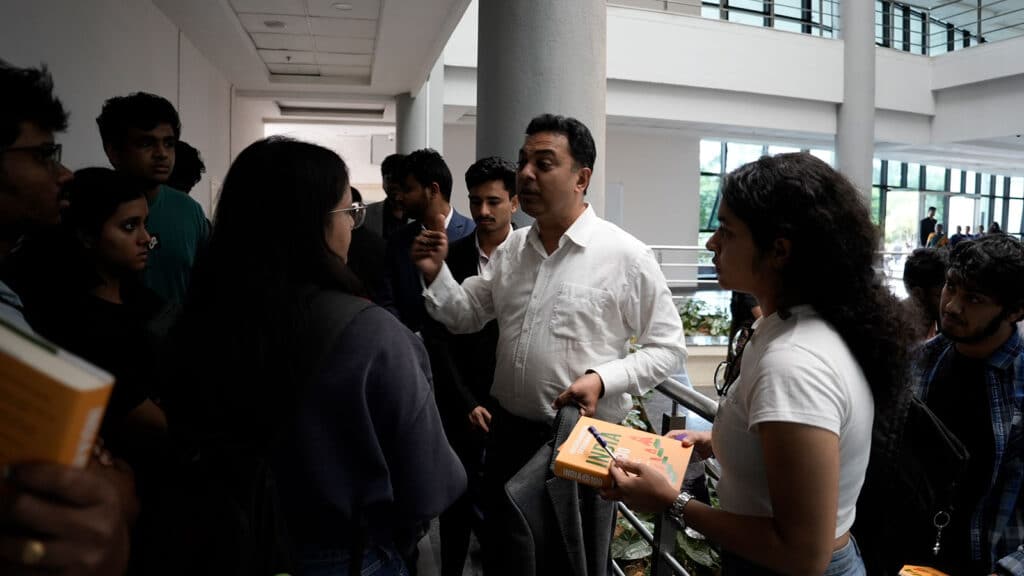
The session concluded with a Q&A segment moderated by Dr Soumya Pal, Assistant Professor of Economics, IFMR GSB, Krea University, which provided students the opportunity to engage directly with Professor Subramanian, followed by a book signing.

About the Speaker
Professor Krishnamurthy V Subramanian served as the 17th Chief Economic Adviser (CEA) to the Government of India from 2018 to 2021. Appointed as the youngest CEA, Professor Subramanian’s foresight and strategic vision helped the Indian economy achieve significant growth and robust macroeconomic fundamentals despite global challenges like the Covid-19 pandemic and the Ukraine War. His remarkable contributions were acknowledged by the Hon’ble Prime Minister Shri Narendra Modi, who praised his “academic brilliance, unique perspectives on economic and policy matters, and reformatory zeal.”

An alumnus of IIT Kanpur and IIM Calcutta, Professor Subramanian has been honoured with the Distinguished Alumnus Award from both institutions. He holds a PhD from the University of Chicago, and his research in banking, law and finance, innovation and economic growth, and corporate governance has been published in leading global journals.
Dr Praveen Bhaghwan, Navya J Muricken and Dr Jyoti Prasad Mukhopadhyay have published a research paper in the Journal of Accounting Literature (JAL)

Dr Praveen Bhagwan, Associate Professor & Area Chair – Finance, Accounting and Quantitative Finance, IFMR GSB, Krea University, Navya J Muricken, PhD Student, IFMR GSB, Krea University and Dr Jyoti Prasad Mukhopadhyay Associate Professor, Economics, and Chairperson – PhD Programme, IFMR GSB, Krea University have co-authored a research paper titled “Does mandating gender quota in corporate boards affect firms` credit ratings? Evidence from India”. This paper has been published in the Journal of Accounting Literature (JAL)
JAL is a reputed peer reviewed journal in the area of Finance and Accounting and is classified as “A” as per ABDC classification with a 5-year Impact Factor (2023) = 4.2 as per Clarivate.

Read the paper here

Dr Jyoti Prasad Mukhopadhyay, Dr Sona Mitra, Dr Sayli Javadekar  and Dr Narbadeshwar Mishra Publish a Research Paper in the Journal of Development Studies

Dr Jyoti Prasad Mukhopadhyay, Associate Professor, Economics, & Chairperson – PhD Programme, IFMR GSB, Krea University, Dr Sona Mitra, Principal Economist, IWWAGE, Dr Sayli Javadekar, independent researcher, and Dr Narbadeshwar Mishra, Assistant Professor, O.P. Jindal Global University (JGU) and an alumnus of the IFMR GSB PhD Programme, have co-authored a research paper titled Does Gender-Based Awareness Campaign Improve Girls’ Educational and Learning Outcomes? Empirical Evidence from India, published in the Journal of Development Studies (JDS). 

JDS is a highly regarded multidisciplinary journal in the area of development studies, categorised as “A” by the ABDC classification (Q1 as per Scopus, with an SJR (2023) of 1.03 and an Impact Factor (2023) = 2.9). 

This study is the outcome of collaborative research with Dr Sona Mitra from the Institute for What Works to Advance Gender Equality (IWWAGE), an initiative of LEAD at Krea University. The research was funded by Krea University under Krea Faculty Research Fellowship 2020-21. 

Read the article here

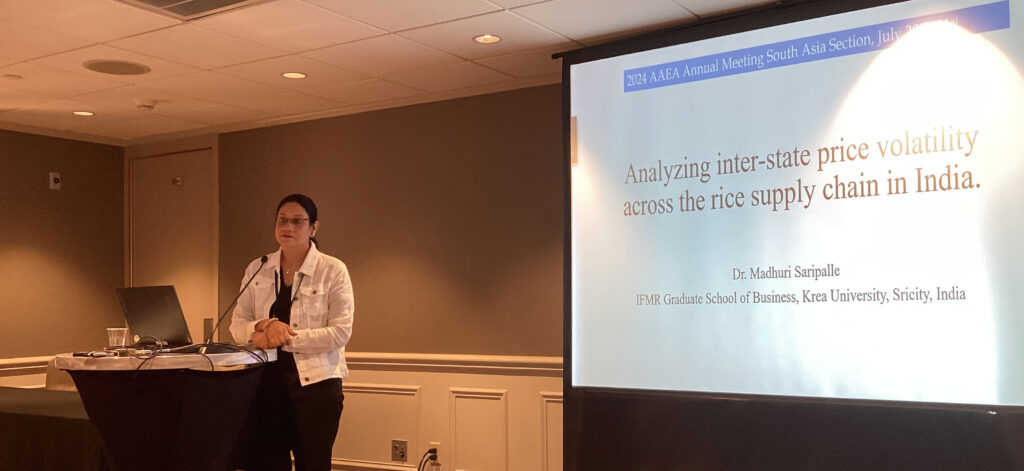
Professor Madhuri Saripalle Presents a Paper at the American Agricultural Economics Association’s Annual Meeting in New Orleans, US

Professor Madhuri Saripalle, Professor, Economics & Chairperson – MBA Programme, IFMR GSB, Krea University presented a paper on Analyzing Inter-State Price Volatility Across the Rice Supply Chain at the American Agricultural Economics Association’s annual meeting (AAEA) held in New Orleans, US, from 28–31 July, 2024. The AAEA meeting is a prestigious conference and attracts more than 1,000 agricultural and applied economists from around the world every year.

Professor Saripalle’s research analyses rice price volatility at regulated market centres or APMCs, the minimum support prices received by farmers, and the prices paid by consumers at retail-level fair-price shops. Price trends are examined in major rice-growing states – West Bengal, Uttar Pradesh, Andhra Pradesh, and Tamil Nadu. Data from the Ministry of Consumer Affairs, Food and Public Distribution and the Directorate of Marketing & Inspection (DMI) is utilised to compile weekly and daily rice prices from various market channels for the pre and post-pandemic periods across various states of India. The study finds differences in price trends and volatility based on state-specific responses and institutional mechanisms prevalent across states.

Dr Suresh Govindapuram Completes a Course on the Fundamentals of Case Teaching by Harvard Business Publishing

Dr Suresh Govindapuram, Assistant Professor of Economics, IFMR GSB, Krea University has completed  an online course on the Fundamentals of Case Teaching by Harvard Business Publishing (HBS). 

Case study pedagogy in Business Schools places students in real-world decision-making roles, enhancing analytical skills, critical thinking, creativity, and communication. Effective faculty approaches are crucial, and MBA/BBA students benefit from mastering management concepts through case studies for informed decision-making. 

Dr Kalyan S Chakrabarti Publishes an Article in the Journal NPJ Systems Biology and Applications

Dr Kalyan S Chakrabarti, Associate Dean (Students) and Associate Professor of Biological Sciences and Chemistry, SIAS, Krea University has co-authored an article titled Bifurcations in coupled amyloid-β aggregation-inflammation systems, published in the journal NPJ Systems Biology and Applications. The article was co-authored with Davood Bakhtiari (Stadtapotheke Calw Pharmacy) and Dr Nasrollah Rezaei-Ghaleh (University of Düsseldorf). 

Dr Chakrabarti extends his gratitude to Krea University for providing computational facilities and intramural funding. He also acknowledges the contributions of Krea alumni Lipi Savitha, Kathan Pandya, Meghna Rao, Yazhini LA and Gauri Velloor, as well as SIAS student Netra Krishna, who have contributed to different aspects of the project as part of their Capstone Theses at Krea University. Additionally, he thanks Dr Abuthahir Abdul Rahuman and Professor Gaurav Raina for their discussions, which significantly contributed to the project’s conception.

About the Paper

In this article, the authors investigate a simple coupled system of amyloid-beta (Ab) aggregation and inflammation relevant in Alzheimer disease (AD) and demonstrate its complex and rich dynamics ranging from overdamped kinetics to sustained oscillations in dependence of various aggregation- and neuroinflammation-related parameters. They suggest that sustained oscillations in inflammatory response to Ab aggregation and its resultant exhaustion of the immune system can lead to a transition to a more progressive phase of amyloid pathology in AD brains. Accordingly, oscillations in aggregation and/or inflammation levels can serve as potential biomarkers in early diagnosis of AD. The authors also propose that the relative ease of triggering oscillatory dynamics in coupled aggregation-neuroinflammation systems should be taken into consideration in clinical trials related to anti-AD drug development.

Read the article here