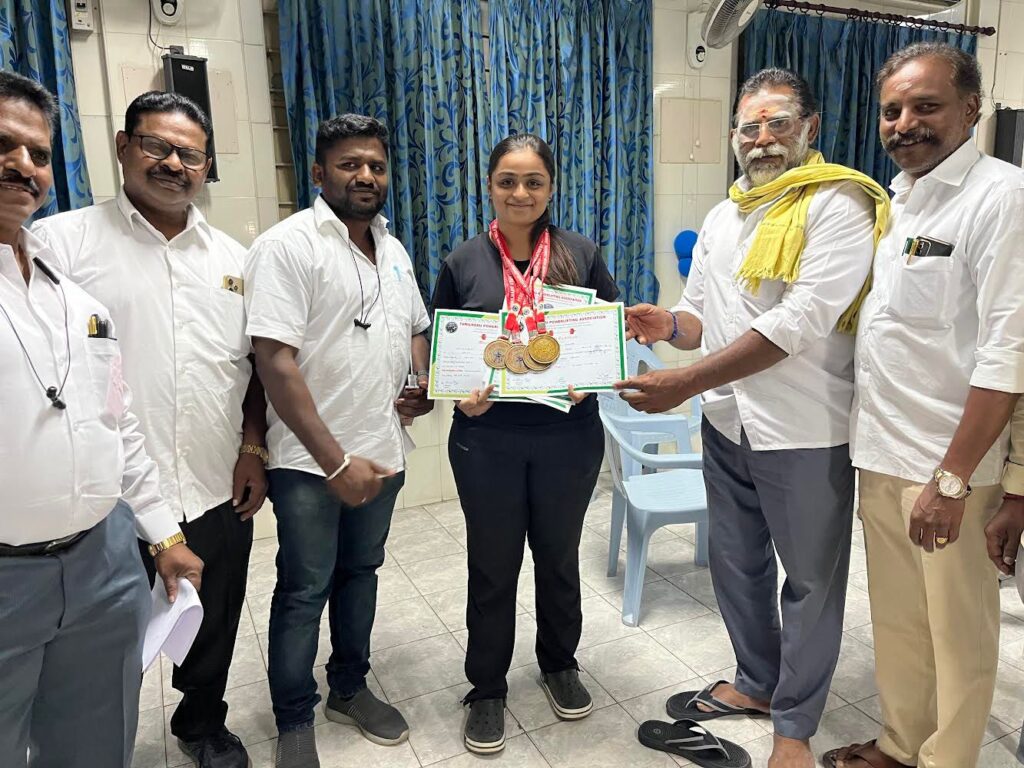
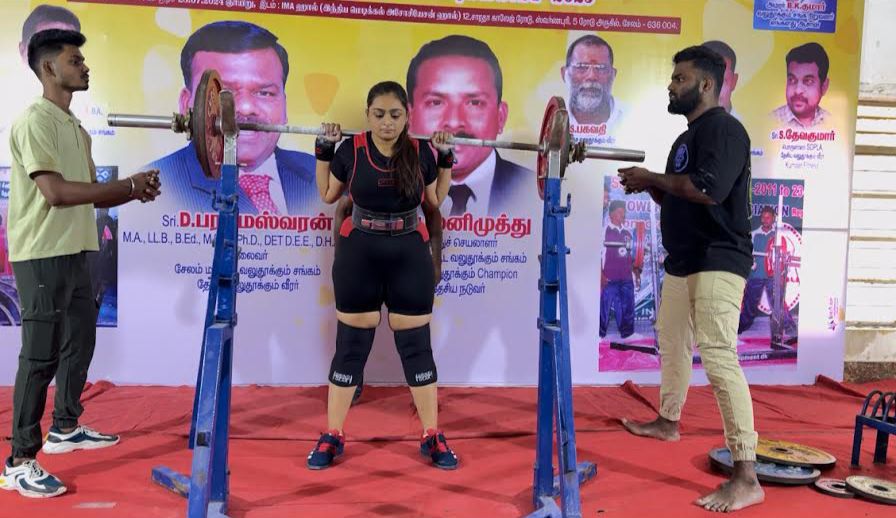
Tishaa Kumar, SIAS (School of Interwoven Arts and Sciences) Cohort of 2027 recently secured 1st place in the Tamil Nadu State Championship in powerlifting in Salem. She achieved a total lift of 245 kgs across Squat, Bench Press, and Deadlift. Tishaa won 4 gold medals in both the juniors and seniors categories. This achievement reflects her hard work and dedication. Congratulations!
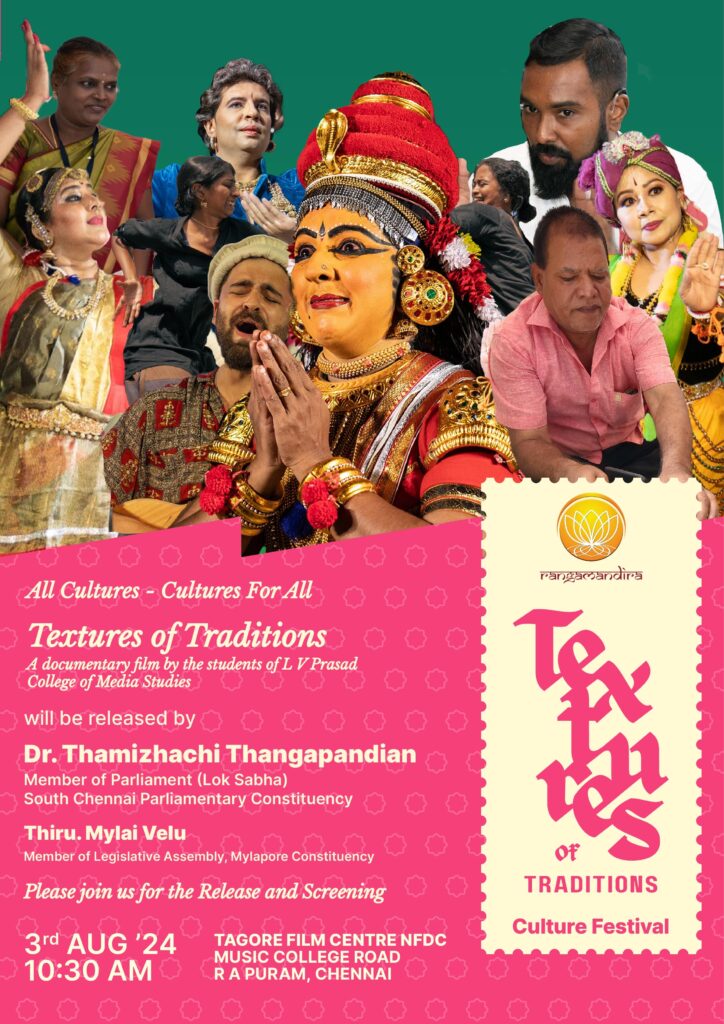
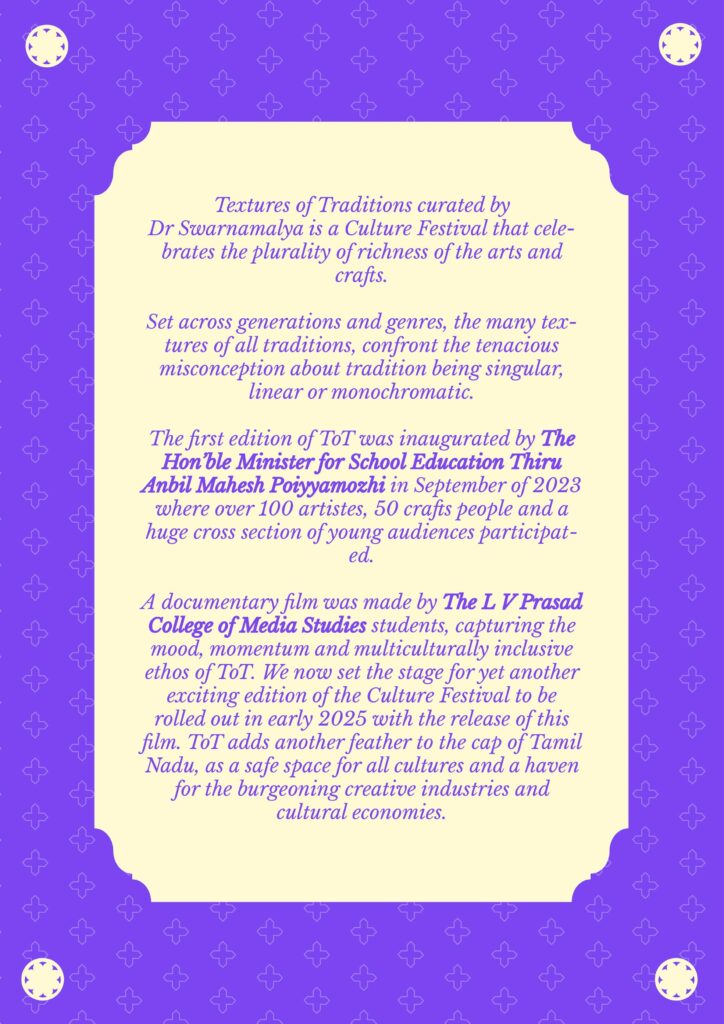
Dr Swarnamalya Ganesh, Assistant Professor of Practice at SIAS, Krea University, and the Festival Director of the Culture Festival Textures of Traditions (ToT), is excited to announce the second edition of this festival, produced by Ranga Mandira Academy, set to take place in early 2025.
As a special prelude to this event, the ToT 2025 Festival Team is releasing and screening a documentary film made by students from the L V Prasad College of Media Studies. This documentary captures the moods, ethos, and movements of ToT, showcasing the festival’s many layers of meaning as an inclusive cultural celebration in Namma Chennai.
The release and screening of Textures of Traditions – A Documentary Film is scheduled for Saturday, August 3, 2024, at the Tagore Film Center, NFDC in R A Puram, at 10:30 am. The film will be released by Dr Thamizhachi Thangapandian, Hon’ble Member of Parliament, Lok Sabha.
Watch the Teaser | Textures of Traditions | Cultural Festival | Documentary Film here.
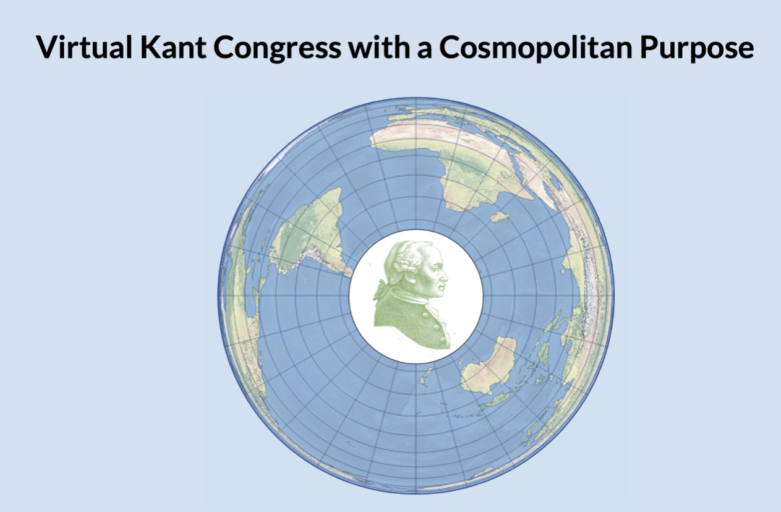
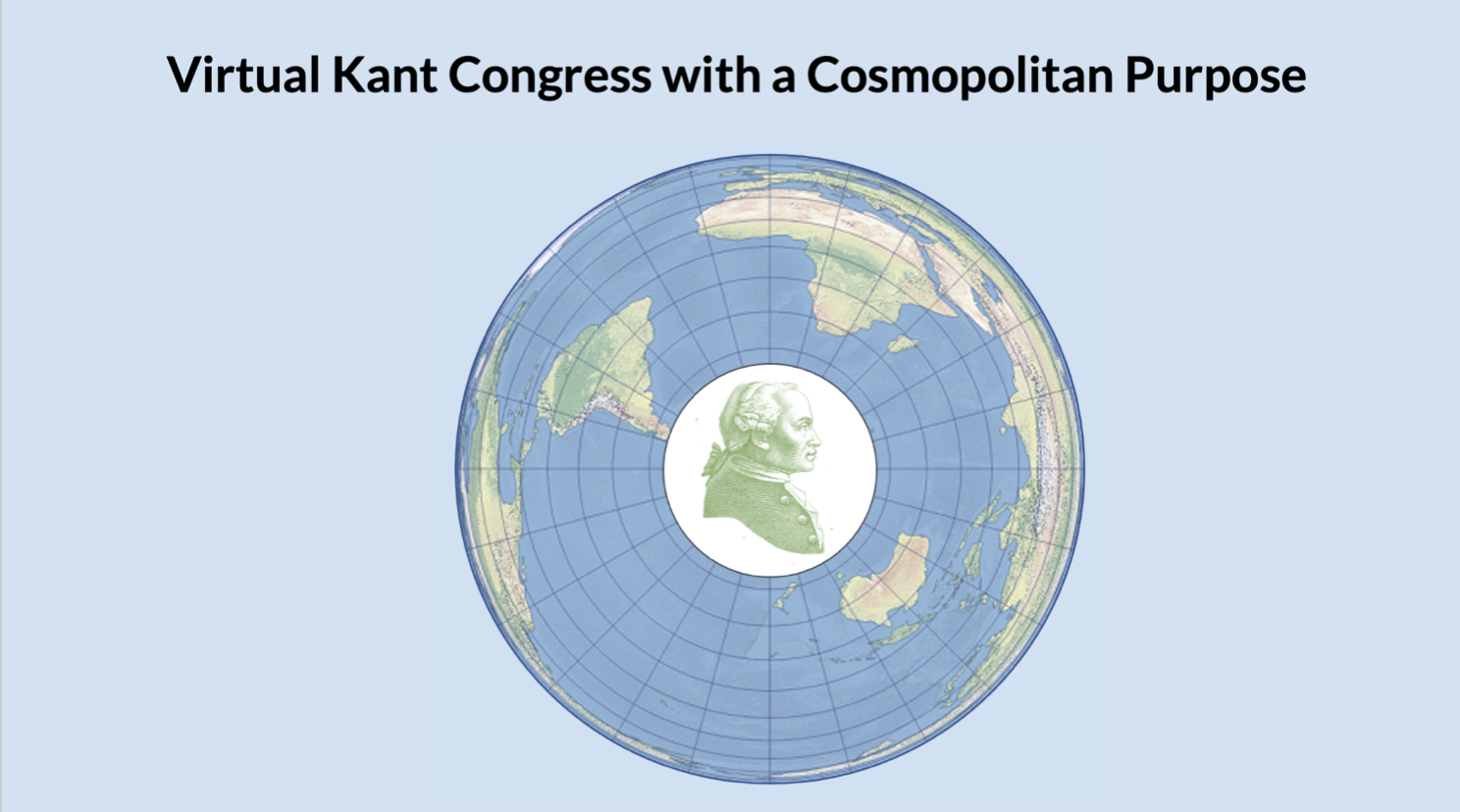
Dr Vivek Radhakrishnan, Assistant Professor of Philosophy, SIAS, Krea University recently coordinated the Kant Studies in India panel for the Virtual Kant Congress with a Cosmopolitan Purpose (VKC), organised by Princeton University, the North American Kant Society and the Leuven Research Group in Classical German Philosophy. At this event, held on 29 July, 2024, Dr Radhakrishnan also presented a paper titled Kant and India: ‘Seeing through a Glass Darkly’.
The video of the 12th Session – Indian Kant Group, in which Dr Radhakrishnan spoke, can be seen on the conference website.
Dr Annu Jalais, Associate Professor of Anthropology, SIAS, Krea University has shared her expert insights on tiger conservation in a recent Deccan Herald article, titled A better way to save tigers?. Her perspective on the vital role of local communities in preserving ecosystems underscores the need for inclusive conservation strategies.
Author of the critically acclaimed anthropological account Forest of Tigers – People, Politics and Environment in the Sundarbans, Dr Annu Jalais has also appeared as an expert guest on the podcast titled The Story of Sundarbans. Along with the author and photographer Arati Kumar-Rao and the local entrepreneur Rajesh Kumar Shaw, she speaks about the forces that shape the unique socio-ecological system of the Sundarbans, the world’s largest mangrove forest. This video is a production of InHERIT by Ashoka, an initiative by Ashoka University supported by the Helen Hamlyn Trust, dedicated to rediscovering and exploring the natural and culinary heritage of India.
Dr Rama Koteswara Rao Kamineni, Associate Professor of Physics, SIAS, Krea University has co-authored a paper titled Vector detection of ac magnetic fields by nitrogen vacancy centers of single orientation in diamond, published in the journal Physical Review B. The paper, selected as an ‘Editor’s Suggestion’, was co-authored with Pooja Lamba (Bennett University), Akshat Rana (Bennett University), Sougata Halder (IIT Jodhpur), Dr Siddharth Dhomkar (IIT Madras) and Professor Dieter Suter (Dortmund University).
About the paper: Nitrogen vacancy (NV) centers in diamond have useful properties for detecting both ac and dc magnetic fields with high sensitivity at nanoscale resolution. The vector detection of ac magnetic fields can be achieved by using NV centers having three different orientations. In this paper, the authors propose a method to achieve this by using NV centers of single orientation. In this method, a static magnetic field is applied perpendicular to the NV axis, leading to strong mixing of the mₛ = −1 and 1 electron spin states. As a result, all three electron spin transitions of the triplet ground state have nonzero dipole moments, with each transition coupling to a single component of the magnetic field. This can be used to measure both the strength and orientation of the applied ac field. To validate the technique, the authors perform a proof-of-principle experiment using a subset of ensemble NV centers in diamond, all having the same orientation. This method is equally applicable to single NV centers.
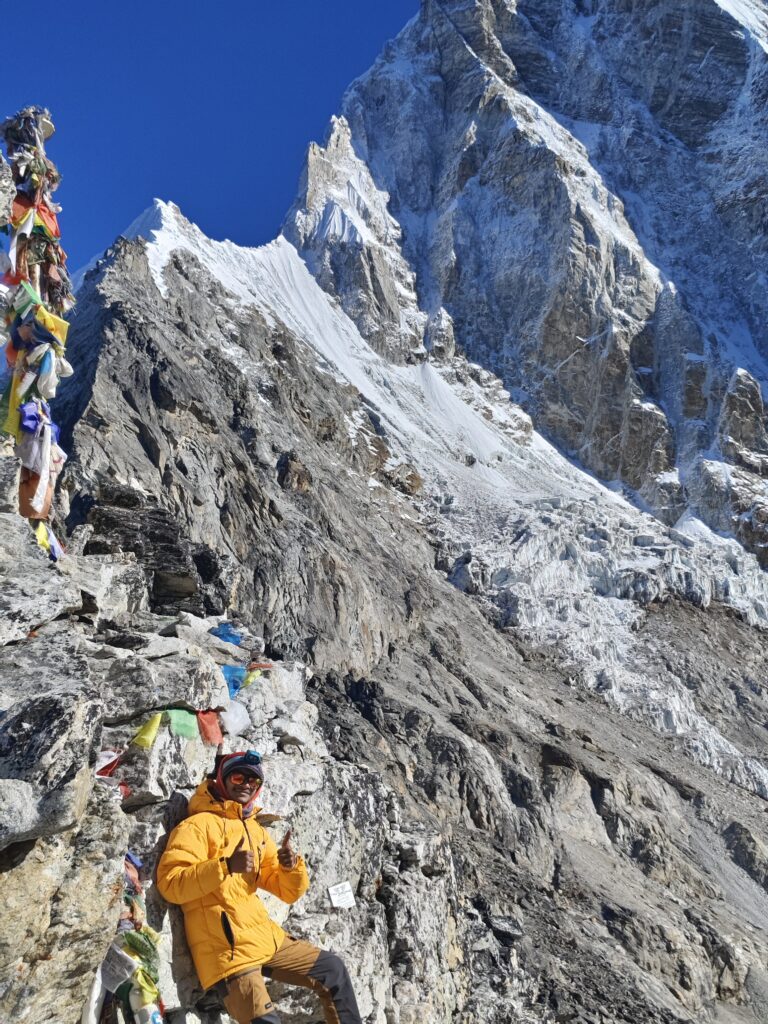
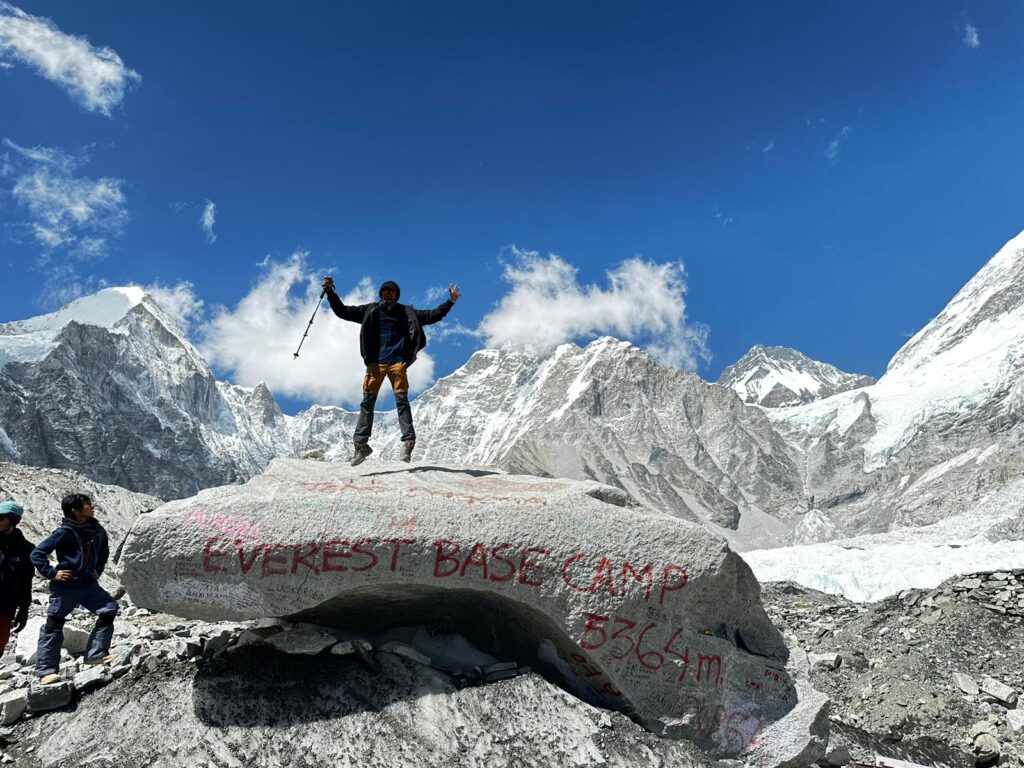
Arnav Bajoria, SIAS completed a trek to Kala Patthar and the Everest Base Camp
In some thrilling news from the mountains, Arnav Bajoria, SIAS Cohort of 2027, completed a trek to Kala Patthar (5645 m) and the Everest Base Camp (5364 m) on 29 May, 2024, coinciding with International Everest Day.
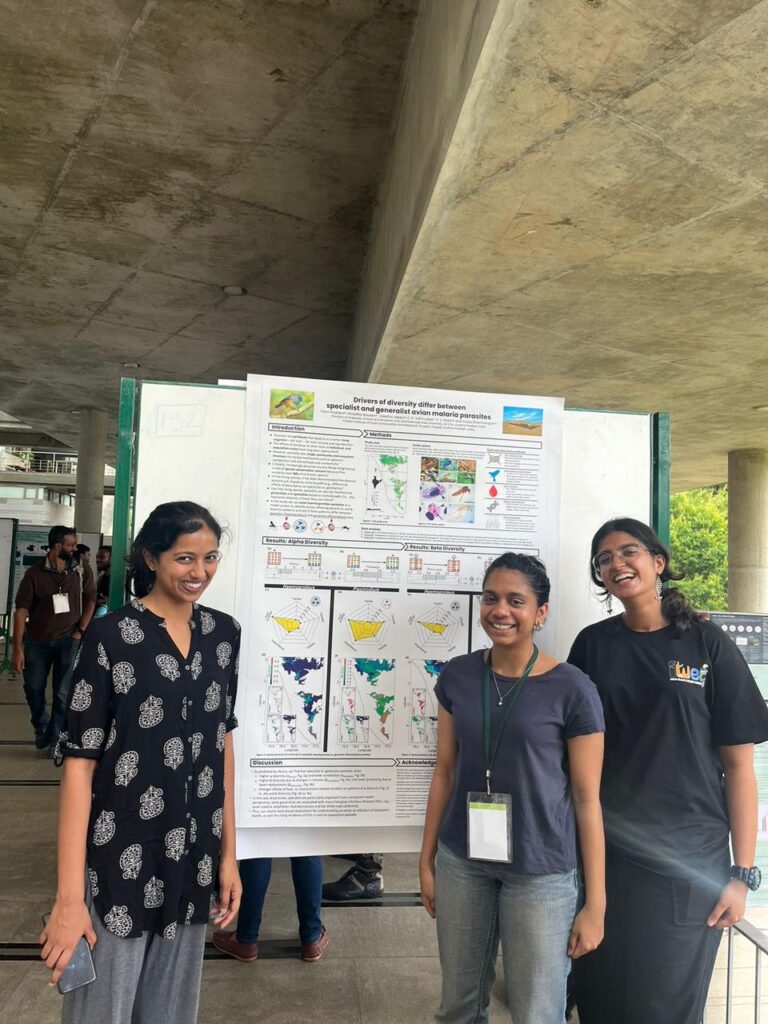
Deesha Jeppu, Tanvi Kadakol, and Nivedita Naveen from the Postgraduate Diploma Cohort of 2024, SIAS, Krea University, presented a poster at the Indian Wildlife Ecology Conference (IWEC) 2024. The conference was held at the National Centre for Biological Sciences, Bengaluru, from 14-16 June, 2024. The title of their poster was Drivers of Diversity Differ Between Specialist and Generalist Avian Malaria Parasites.
Poster abstract: Elucidating the mechanisms shaping parasite diversity patterns is critical because parasites encompass about 40% of known species, and play crucial roles in maintaining ecosystem structure and function. In free-living species, patterns of diversity in the Anthropocene are known to be shaped by niche breadth because, as predicted by theory, environmental disturbance is more likely to negatively impact specialist vs. generalist taxa. Like free-living species, parasites too can be categorised as specialists or generalists according to their niche breadth (i.e., host taxonomic diversity). However, unlike free-living species, the effects of niche breadth on parasite diversity patterns remain unclear.
In this study, the students use avian haemosporidian parasites as a model system to identify the factors affecting parasite phylogenetic diversity patterns, and test if these patterns differ between specialist (Haemoproteus) and generalist (Plasmodium) parasites. Their results demonstrate that, in keeping with ecological theory, specialist vs. generalist parasites show: (i) higher α diversity and lower evenness, and (ii) higher β diversity due to changes in richness and lower β diversity due to taxon replacement. Their results also suggest that in specialist parasites diversity is primarily shaped by host-related variables, unlike generalists which are impacted by a variety of host- and environment-related factors. Their results have broad implications for understanding the role of parasites as indicators of ecosystem health, as well as the effects of anthropogenic environmental modification on the rise of emerging infectious diseases.
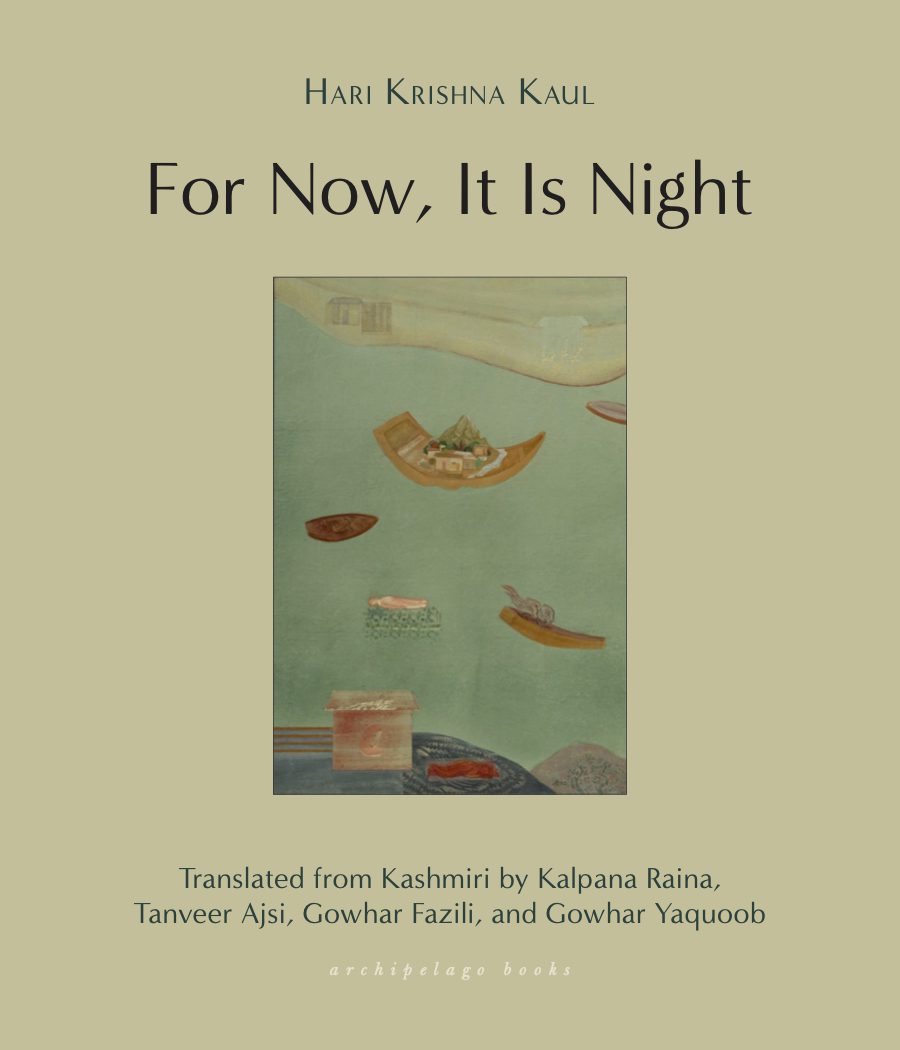
Last November, Krea University hosted the release of a book titled For Now it is Night by Hari Krishna Kaul, published by HarperCollins India. This volume of short stories, translated from Kashmiri, features the work of a team of translators, including Dr Gowhar Fazili, Assistant Professor of Social Studies, SIAS, Krea University, along with Kalpana Raina, Tanveer Ajsi, and Gowhar Yaqoob.
We are pleased to announce that the book has recently been republished in the United States by Archipelago Books, a prestigious publishing house known for works in translation.
Dr R S Sathya Saminadan, Associate Professor of Practice & Area Chair – Marketing, IFMR GSB, Krea University has successfully completed the Post Graduation Program in Digital Marketing from Purdue University.
Dr Gowhar Fazili, Assistant Professor of Social Studies, SIAS, Krea University has published a book review in The Wire. The review, titled A Fragmented Memory of Independent India and the Kashmir That Once Was, delves into M K Raina’s memoir Before I Forget. The review provides a critique of the memoir’s reflections on India’s postcolonial history and the cultural changes in Kashmir.