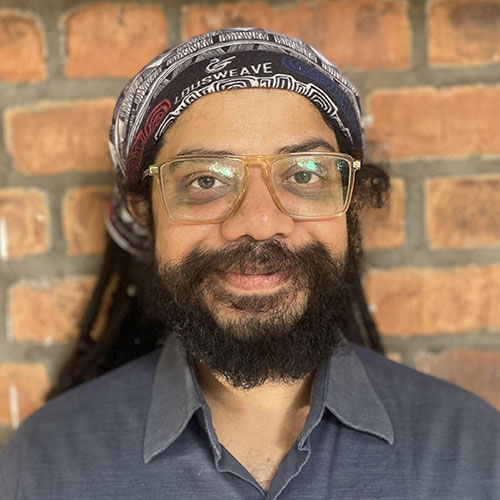
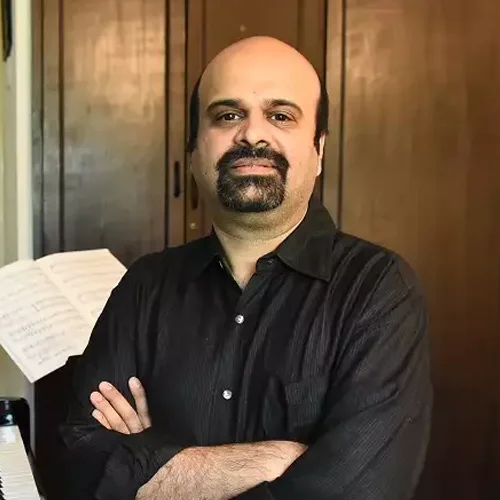
Dr Ramadas N publishes a research paper in Physical Review A

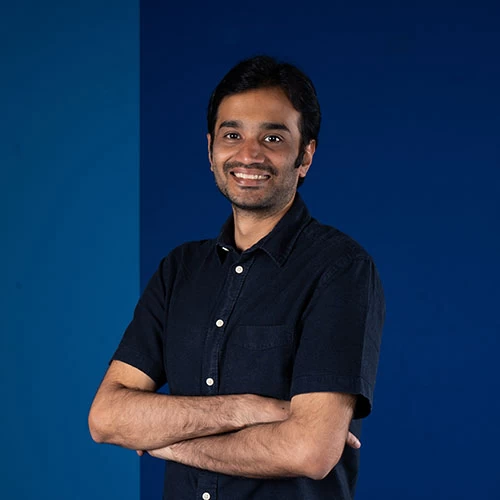
Dr Ramadas N, Post-Doctoral Fellow, Physics, Division of Sciences, SIAS, published a research paper titled Minimal decomposition entropy and optimal representations of absolutely maximally entangled states in Physical Review A.

Abstract

Understanding and classifying multipartite entanglement is fundamental to quantum information processing. This work focuses on absolutely maximally entangled (AME) states, a class of highly entangled states characterized by their maximal entanglement across any bipartitions. To analyze and classify AME states, we employ the minimal decomposition entropy, defined as the minimum R\'{e}nyi entropy $S_q$ associated with the state’s decomposition over all local product bases. This quantity identifies the product bases in which the state is maximally localized, thereby yielding optimal representations for analyzing properties of AME states.
The team develops an efficient algorithm for computing the minimal decomposition entropy for finite $q>1$ and compare AME and Haar-random states for ( q = 2 ) and ( q = \infty ) in qubit, qutrit, and ququad systems. For ( q = 2 ), AME states of four qutrits and ququads show lower minimal entropy than generic states, indicating sparser optimal forms. For ( q = \infty ) – related to the geometric measure ofentanglement – AME states exhibit higher entanglement. The algorithm also simplifies known AME states into sparser representations, aiding in distinguishing genuinely quantum AME states from those constructible from classical combinatorial designs. The results advance the classification of AME states and demonstrate the utility of minimal decomposition entropy as both a local unitary invariant and a tool for state simplification.
Know more

Dr Smriti Sharma publishes an article in South Asia: Journal of South Asian Studies

Dr Smriti Sharma, Postdoctoral Fellow, Sociology and Social Anthropology, SIAS, published an article titled Packing Pareshani or Healthcare? The Affective Dimensions of Digitalisation in India’s Health Sector in South Asia: Journal of South Asian Studies.

In this article, author examine how digitalisation in the health sector seeks to standardise care in the name of effective service delivery. Author analyses the affective dimensions of operating a digital portal within the publicly funded health insurance scheme, Ayushman Bharat Yojana, by conceptualising the emic term, pareshani. In Hindi, pareshani encompasses a wide range of meanings, including worry, trouble, tension, helplessness, frustration, distress and exhaustion. Based on fifteen months of ethnographic fieldwork in a private hospital and the public insurer’s headquarters in Haryana, the author show how the intermedial specificity of pareshani undergirds payments and patient treatment. She argues that understanding the affective force of digital portals requires examining how pareshani becomes embedded in intermediaries’ everyday navigation and negotiation of bureaucratic standards and procedures that shape clinical work. More broadly, author reflect on what these affective dynamics reveal about the digital bureaucratic state and its modes of governing healthcare.

Know more

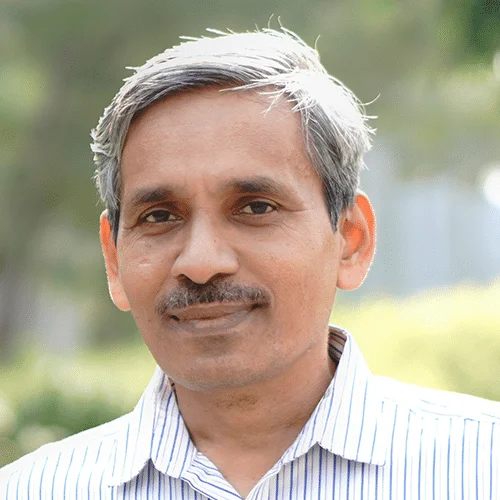
Dr C P Anil Kumar selected to train students for International Mathematical Competition for University Students 2026

Dr C P Anil Kumar, Associate Professor, Mathematics, SIAS, has been selected to train Indian students for the International Mathematical Competition for University Students 2026, to be held in Blagoevgrad, Bulgaria, from 27 July-3 August 2026. The students being trained have been selected from among those who excelled in the Madhava Mathematics Competition.

Know more : IMC | MMC

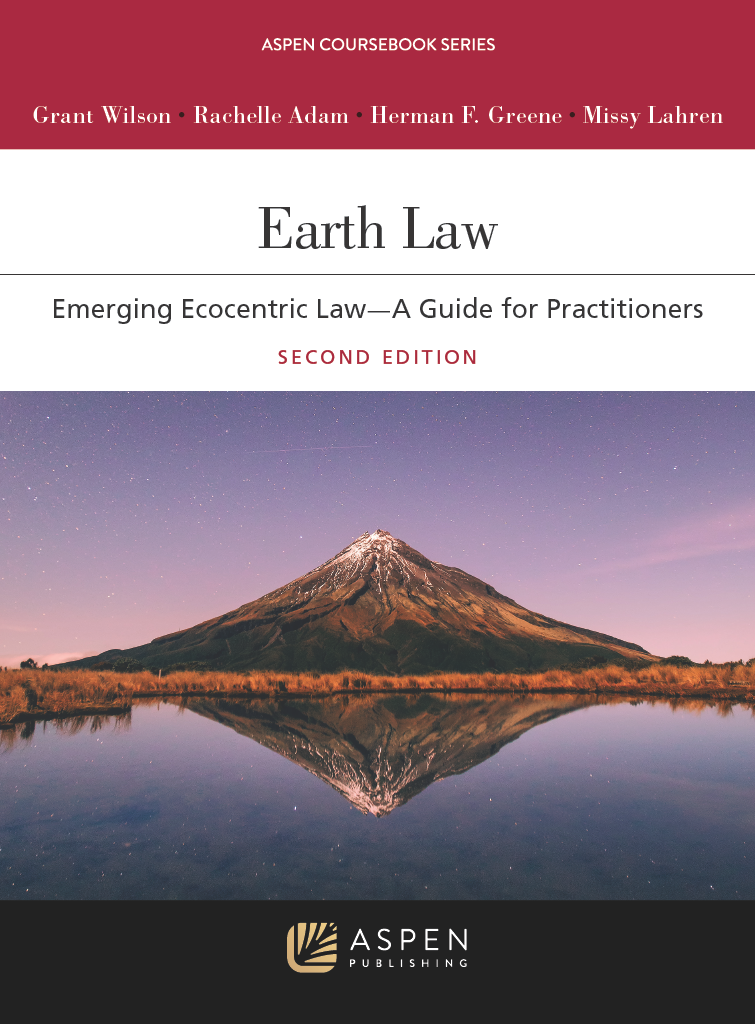
Professor S Sivakumar co-authors a journal article published in Physical Review A

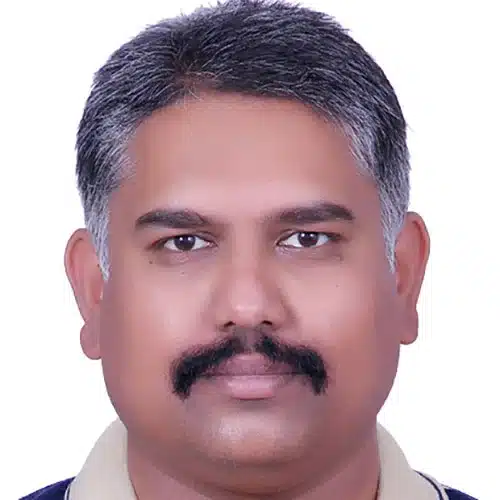
Professor S Sivakumar, Dean – Research, and Professor, Physics, SIAS, has co-authored a journal article titled Generation of large Fock states from coherent states using Kerr interaction and displacement, published in Physical Review A.

Technical Abstract

We discuss a scheme to generate large Fock states. The scheme involves repeatedly applying an experimentally feasible unitary transformation to convert a semiclassical state into a Fock state. The transformation combines Kerr interaction, which is a non-Gaussian operation, and pulsed coherent drives. We identify suitable parameter values (Kerr strength, pulse timings, displacement amplitude) for the physical processes to implement the transformation and generate large Fock states with near-unity fidelity. The feasibility of implementing the scheme in circuit QED architectures is discussed. The method is also suitable for generating Fock states of cavity fields.

Non-technical summary

The simple harmonic oscillator is a ubiquitous model in physics, describing everything from swinging pendulums to vibrating molecules. In the quantum world, these microscopic oscillators are restricted to specific, equally spaced energy levels—effectively forming a “ladder” of energy. An electromagnetic field confined in a cavity behaves exactly like a harmonic oscillator. But how do we force this field to climb the ladder and reach a specific, high-energy rung of our choice? Our work presents a new scheme that significantly outperforms known schemes for generating large photon states. Combining nonlinearity (where the output is not strictly proportional to the input) with displacement operations (essentially, “kicking” the oscillator in phase space), we can guide the system to much higher energy levels than previously possible. The paper discusses the mechanism behind this controlled ascent.

Read more

Dr Shyam Kumar Sudhakar and Krea UG students at the Synapse neuroscience conference

Dr Shyam Kumar Sudhakar, Associate Professor, Biological Sciences, SIAS, delivered a talk titled ‘Graph-based and Machine Learning Approaches to Understanding Brain Health and Function’ as part of the Synapse neuroscience conference, held from 6-7 March 2026 at IISER Tirupati. Undergraduate students from Krea, Nidhi, Zoeya, and Kailash also presented their ideas during the ideathon held alongside the conference. Synapse 2026 was two day neuroscience focussed symposium funded by ANRF and IISER Tirupati, hosting ideathon competitions, poster presentation and research talks.

Dr Lakshmi Narayanan’s paper published in the Journal of Astrophysics and Astronomy

A paper by Dr Lakshmi Narayanan,  Assistant Professor, Environmental Studies, SIAS, titled Global response of low and mid-latitude ionosphere to the severe geomagnetic storm of April 2023 has been publishedin the Journal of Astrophysics and Astronomy. The paper is published as a part of the special issue ‘The evolution and space weather impact of coronal mass ejections’ organised following a workshop at Krea University in early 2024 that brought together scientists from India and the USA. This paper is a case study of an intense space weather event in the present solar cycle. A detailed investigation of response of low and midlatitude ionosphere to the geomagnetic storm generated by a coronal mass ejection was made in the study. Data from in-situ plasma density measurements made by European Space Agency’s Swarm satellite mission is used in the study. Interestingly, the findings reveal that conventional magnetic and space weather indices do not adequately predict the nature of the ionospheric response. This work also contributes to the ongoing ANRF EMITS project, highlighting its broader relevance to space weather research.

Read more

BOLT 2026: Krea University’s Sports Fest Goes Intercollegiate

From early morning matches to electrifying finals under the lights, BOLT 2026, Krea University’s annual sports festival, transformed the campus into a vibrant arena of competition, teamwork, and student leadership from 6–8 March 2026. What began in 2022 as an intra-university sporting event reached a significant milestone this year, as BOLT was organised as an intercollegiate sports fest for the first time, welcoming athletes from universities across Tamil Nadu, Karnataka, and Andhra Pradesh.

Over the course of three days, more than 330 student-athletes from over 20 colleges competed in a packed schedule of matches that ran from early morning until late in the evening. The festival brought together sport, community, and campus culture, with players, volunteers, and spectators contributing to the high-energy atmosphere across the university grounds.

From House Competition to Intercollegiate Arena

BOLT was first introduced in 2022-23 as a house-based competition within Krea University. Students were divided into four houses: Poseidon, Persephone, Athena, and Ares, competing across a variety of indoor and outdoor sports including basketball, football, volleyball, badminton, tennis, kabaddi, tug of war, dodgeball, table tennis, marathons, gym events, carrom, chess, and even light-hearted games such as rock-paper-scissors.

Over time, the event grew in scale and ambition. The 2026 edition marked a new chapter, expanding the festival into a full-fledged intercollegiate competition that brought together institutions including SSN College of Engineering, Saveetha University, Vellore Institute of Technology (VIT) Chennai, SDNB Vaishnav College for Women, Ethiraj College, Center for Management Studies (CMS) Jain University, Indian Institute of Information Technology (IIIT), and several others.

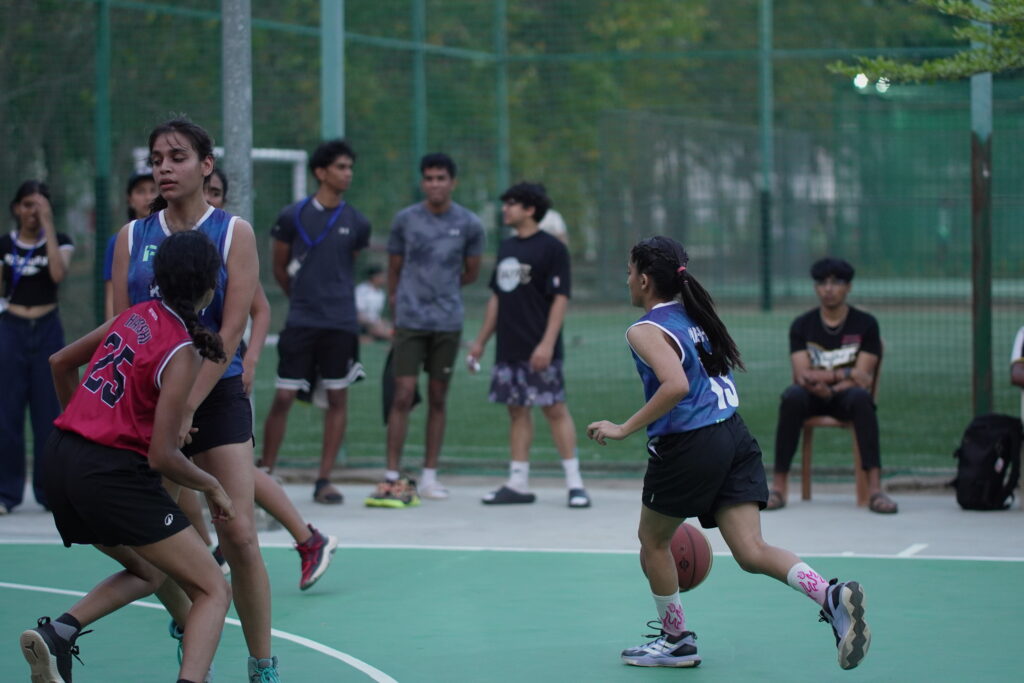
Across the three days, more than 110 matches were played across six major sports leagues: football, basketball, volleyball, cricket, badminton, and tennis, featuring both men’s and women’s categories. A kayaking event added an adventurous element to the festival, with participants travelling to a nearby lake for the competition.

Three Days of Competition and Campus Energy

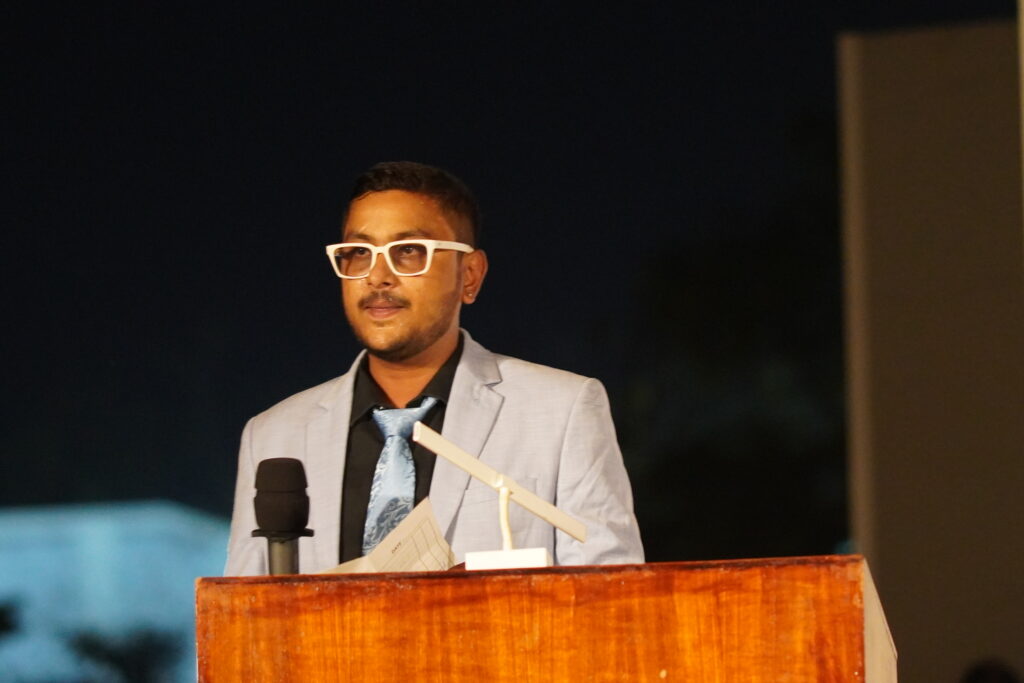
The festival opened with a ceremony that brought together athletes, organisers, and the campus community. Addressing the gathering was sailor Dheer Singhi, who recently completed a 900 km international offshore expedition in eight days. Reflecting on the values that sport cultivates, he encouraged students to embrace both challenge and perseverance.

“Sports demands discipline and steadfastness. It can challenge you in many ways, but at the end of the day it teaches patience and pushes you to give your fullest, which makes it completely worthwhile,” he said.

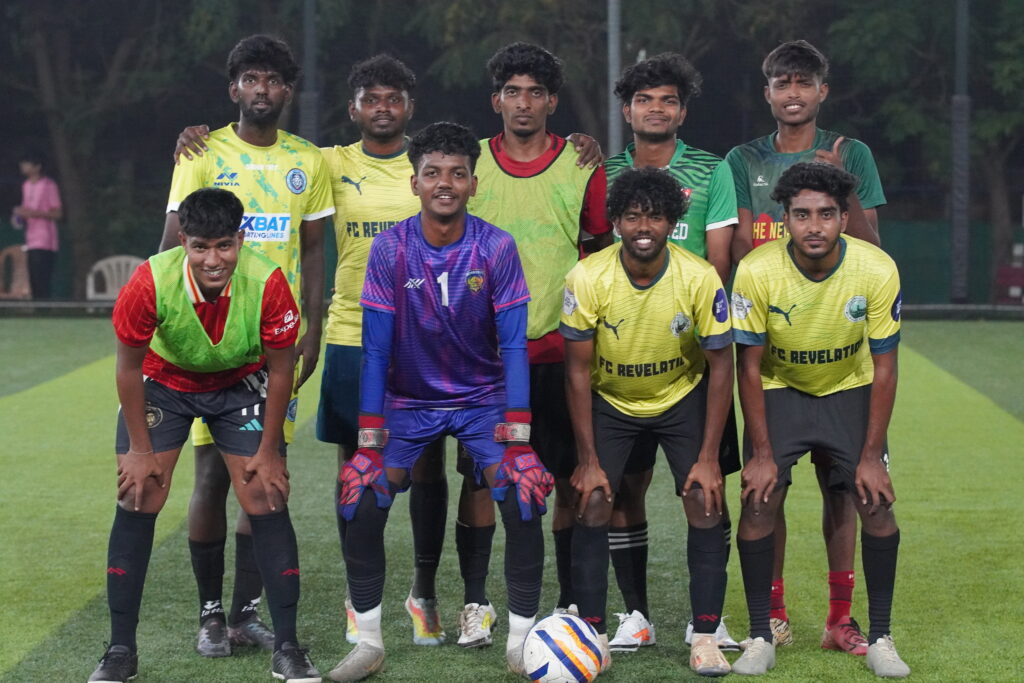
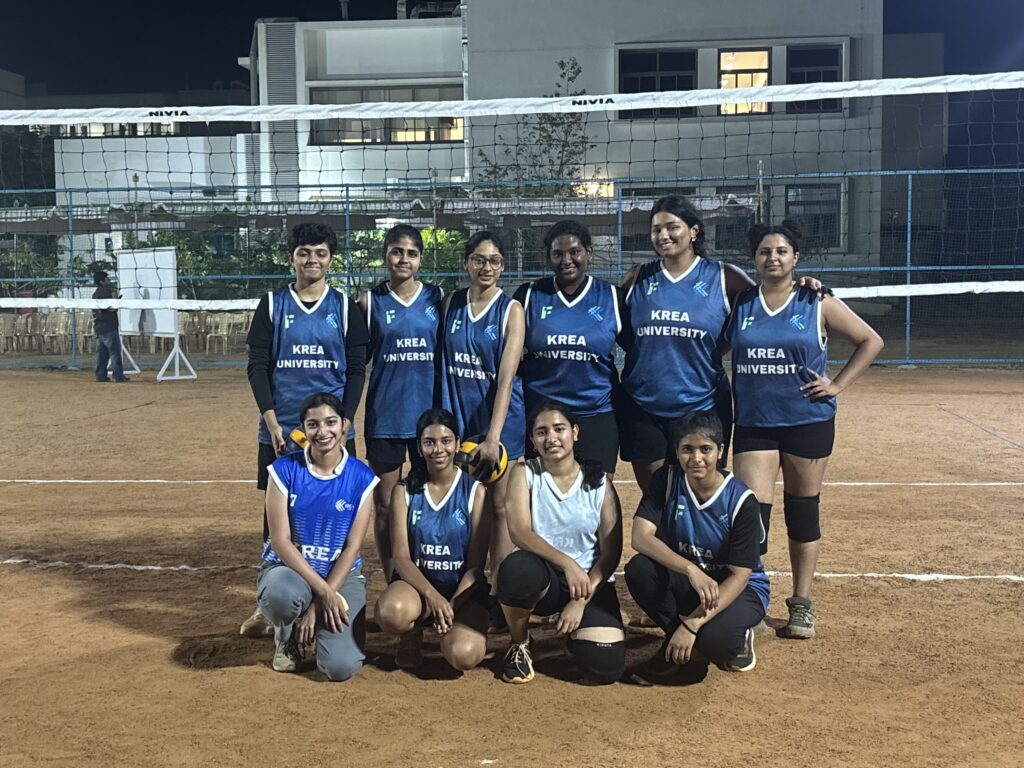
Following the opening ceremony, the campus came alive with matches taking place simultaneously across multiple venues. Football fixtures continued late into the night, basketball and volleyball matches drew enthusiastic crowds, and the cricket tournament saw teams compete at the Sri City Cricket Ground.

The final day featured the semi-finals and championship matches, where teams competed for the prestigious BOLT Cup in each sport and cash prizes up to Rs 25,000 across categories.

Among the winners, CMS Jain University clinched the Men’s Basketball title, while Ethiraj College secured victory in Women’s Basketball. Mar Gregorios College emerged as the winners in Cricket, and Krea University lifted the trophy in Men’s Football, with Golden Strikers Football Team winning the Women’s Football category. In Volleyball, Sri Venkateswara College of Engineering won the Men’s title, while VIT Chennai emerged as champions in Women’s Volleyball.

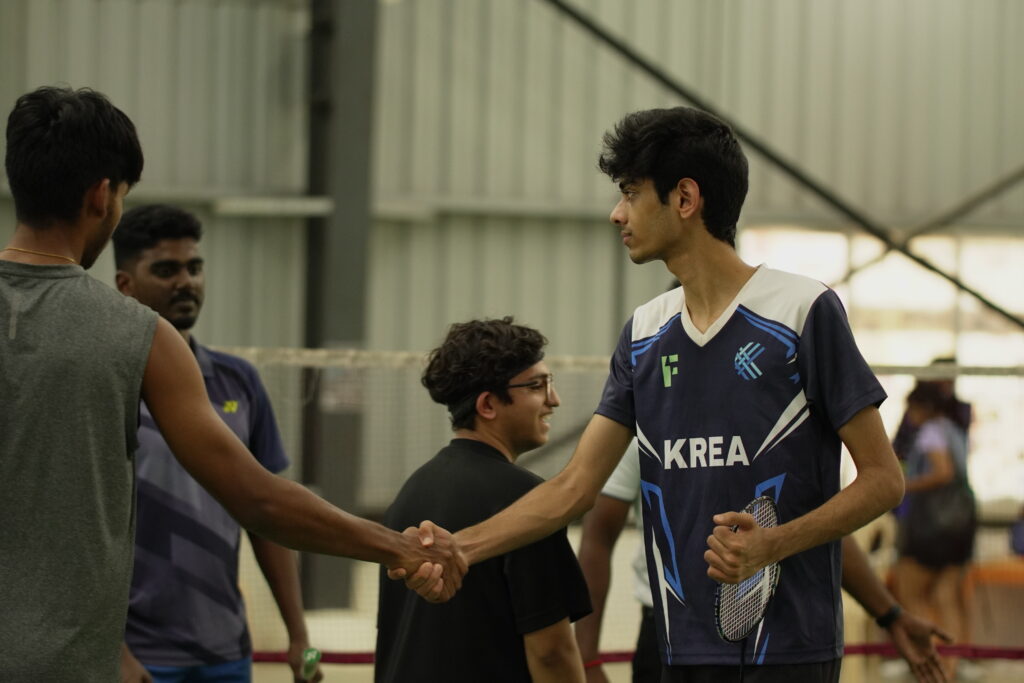
Individual competitions also saw strong performances. In Badminton, Rishita won the Women’s Singles, while Yashendra secured the Men’s Singles title. Sharvani and Dissha won Women’s Doubles, Satvik and Hirithik won Men’s Doubles, and Hirithik and Sharvani clinched the Mixed Doubles category.

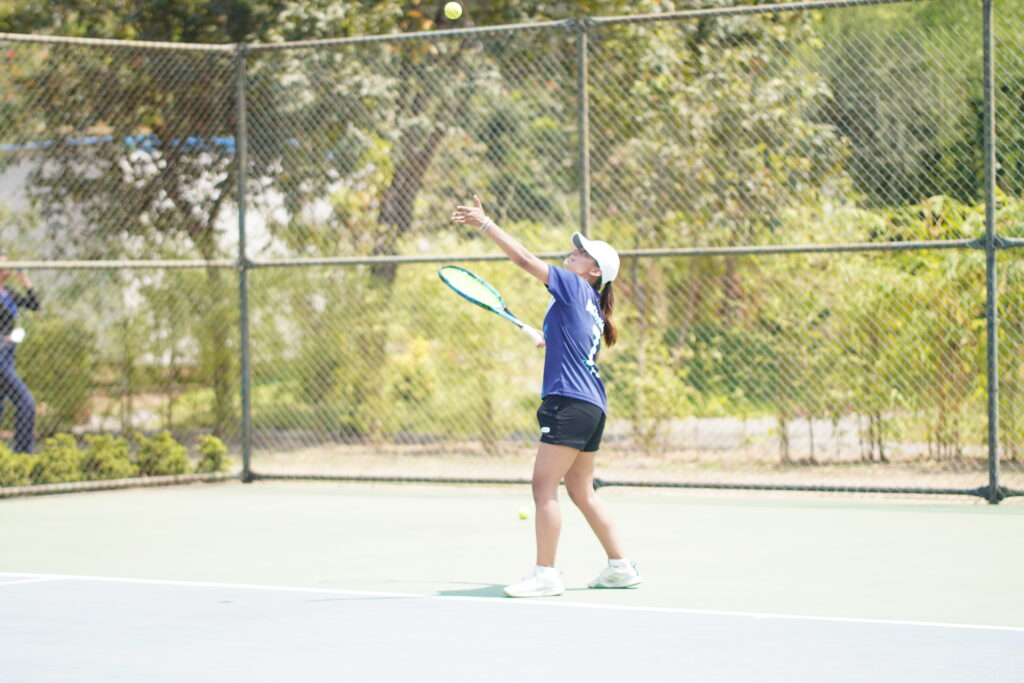
In Tennis, Rhea Ampte won Women’s Singles, while Surya claimed the Men’s Singles title. The Men’s Doubles title went to Kriish Subhuramaniyam and V J Leela Goutham, while Kriish Subhuramaniyam and Dhanya P won the Mixed Doubles category.

A Student-Led Festival

At the heart of BOLT 2026 was a strong spirit of student leadership and collaboration. The entire festival was organised by a team of 35–40 student organisers, who spent months planning and executing the event. They were ably supported by members of the administration team such as the Chief Administration Officer and the Office of Student Life (OSL). 

The organising committee was led by Angel Bothra, SIAS Cohort of 2024–28 and Aavya Kedia, SIAS Cohort of 2023–26. Working alongside them, the student team was divided into five operational groups such as outreach, logistics, finance, social media, and design, each responsible for different aspects of the festival, from coordinating visiting teams and managing venues to securing sponsorships and documenting the matches.

Their efforts ensured the smooth execution of an event that hosted hundreds of participants and required coordination across multiple venues, schedules, and support teams. On-ground volunteers assisted with registration desks, crowd management, hospitality for visiting teams, and match operations throughout the three days.

Sport, Culture, and Community

Beyond the matches themselves, BOLT 2026 created a lively festival atmosphere across campus. Food stalls and sponsor activations added to the experience, while cultural performances — including a dance showcase by TBD Dance Crew, the band Wildcard from Krea University, and a live music performance by the band Soul Jams, brought students together after a day of competition.

Supported by 13 sponsors and several partners who contributed equipment, logistics, and prizes, the festival reflected the scale and collaborative effort behind the event.

Sport as a Platform for Holistic Growth

As the closing ceremony concluded and teams celebrated their victories, BOLT 2026 stood as a testament to the power of student-led initiatives and the role of sport in shaping campus life.

More than just a tournament, the festival offered students opportunities to develop leadership, teamwork, and organisational skills while building connections with peers from institutions across the region. By bringing together competition, collaboration, and community spirit, BOLT continues to reflect Krea University’s broader vision of education — one that values experiences beyond the classroom as an integral part of student development.

By: Sanjana Raman, Campus Communication Associate 

Information Credit: Aditya Akash Trigunayat, SIAS cohort of 2023-27, Krea University & Amulya Amar Kumar, SIAS cohort of 2024-28, Krea University