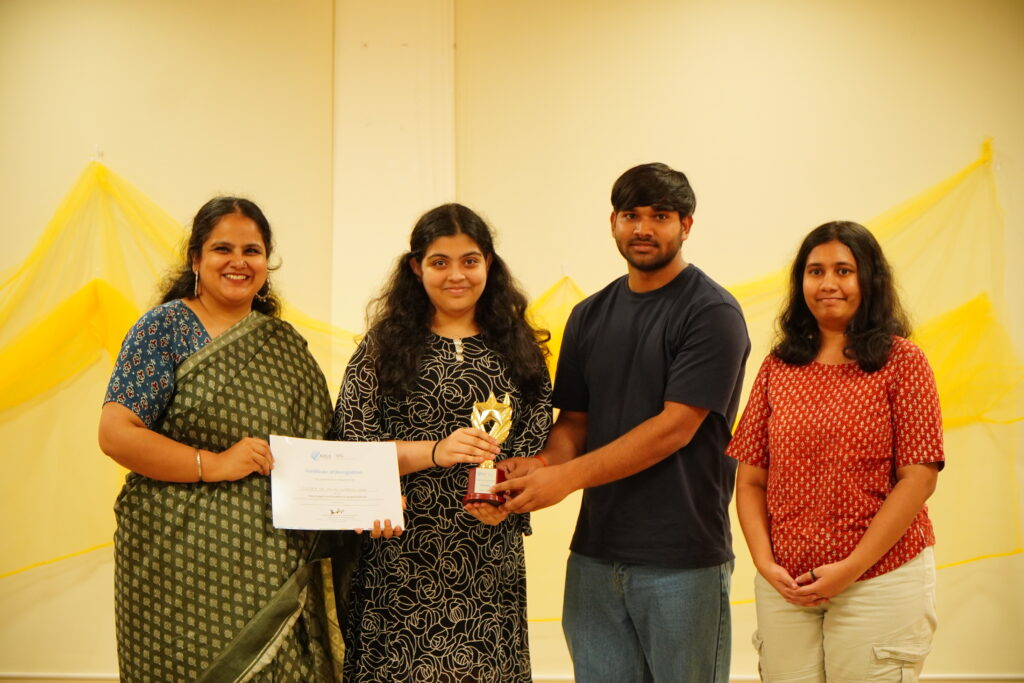
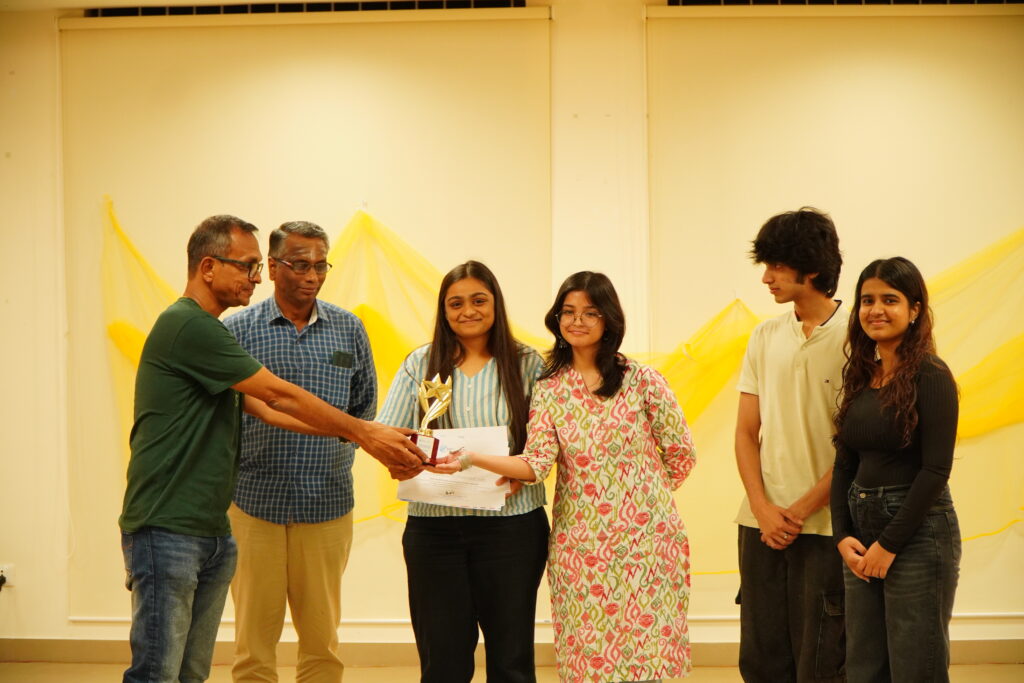
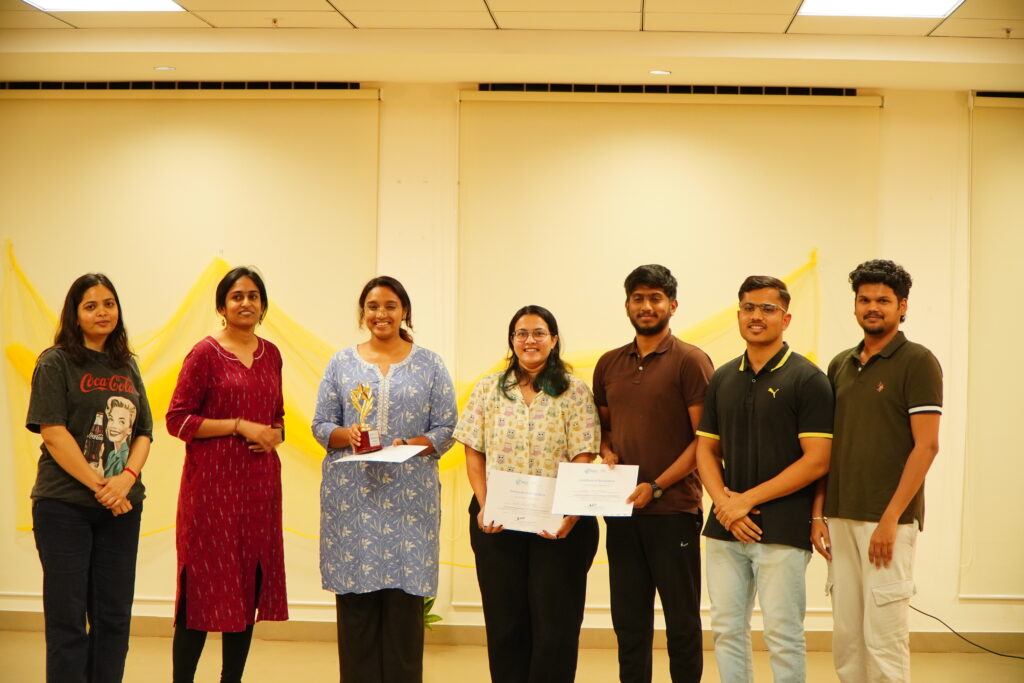
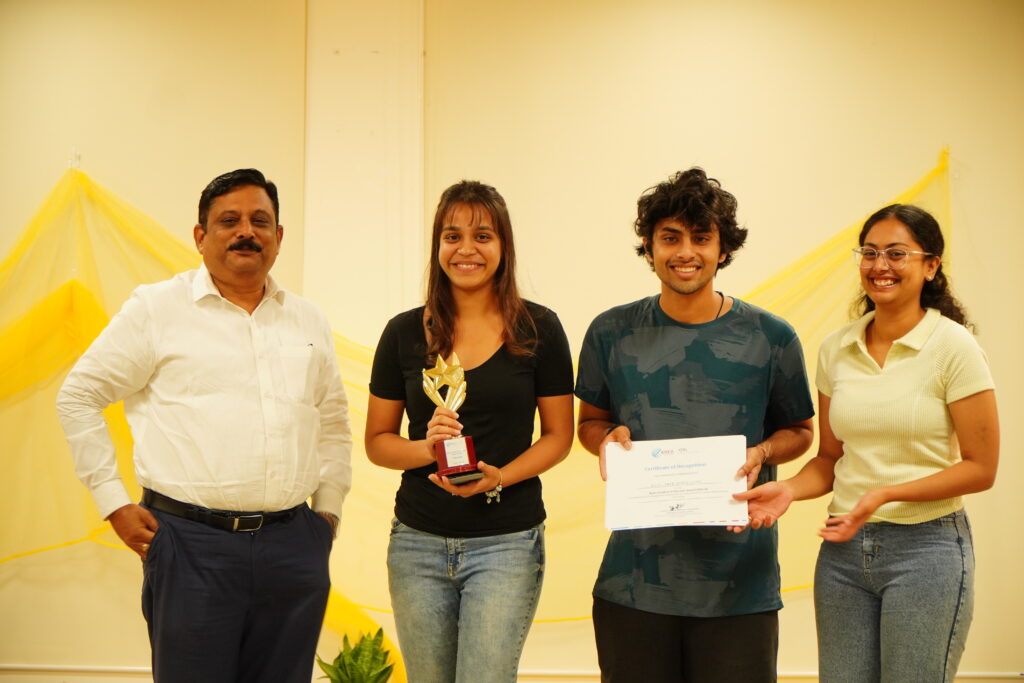
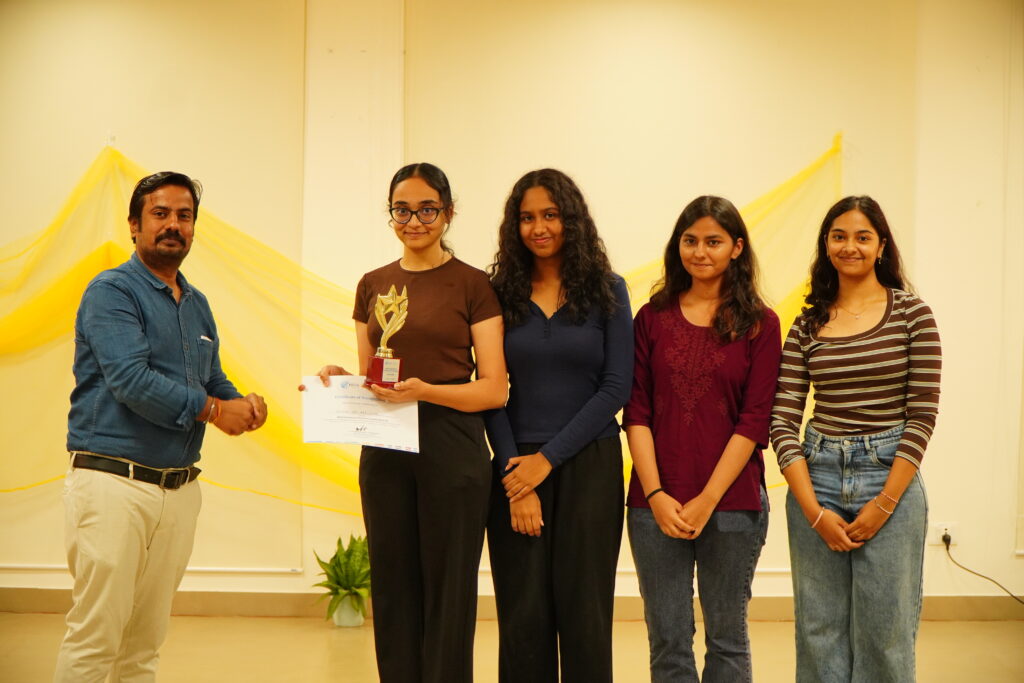
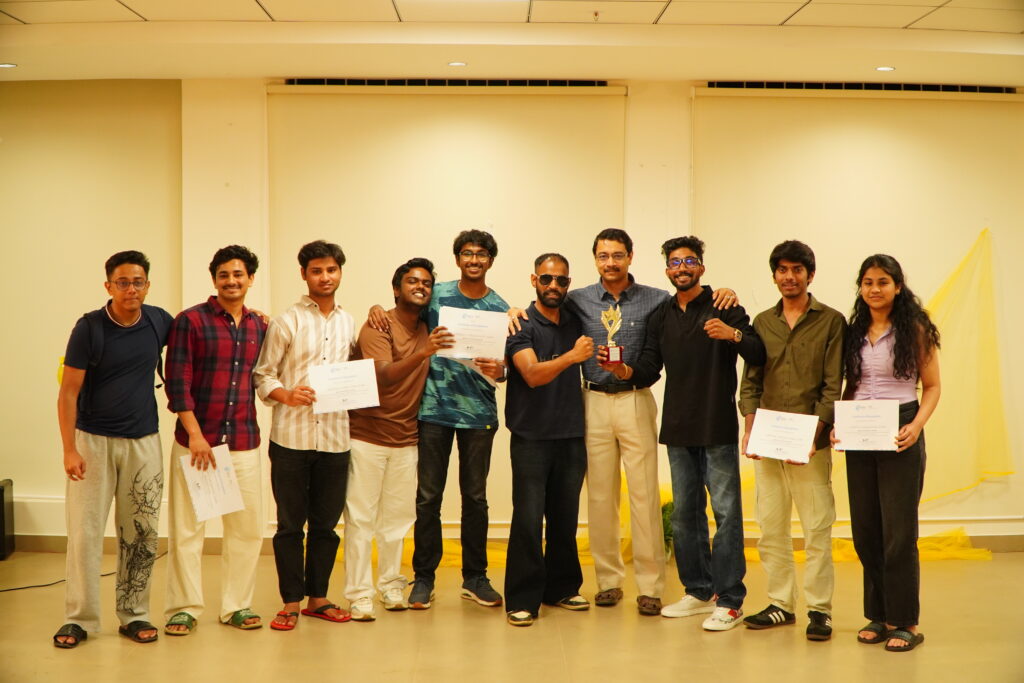
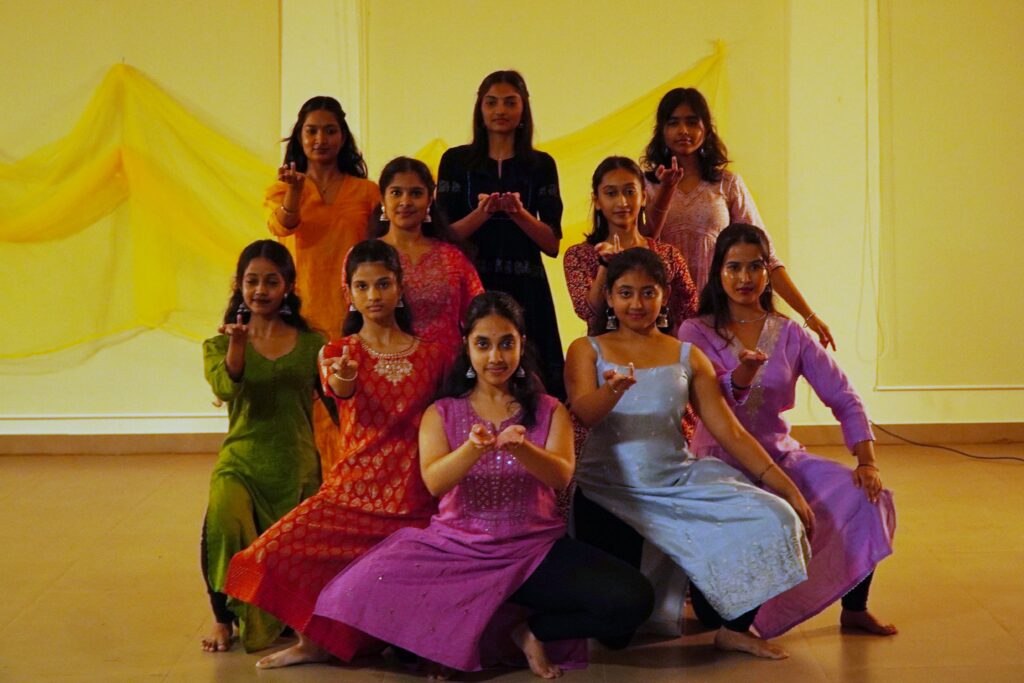
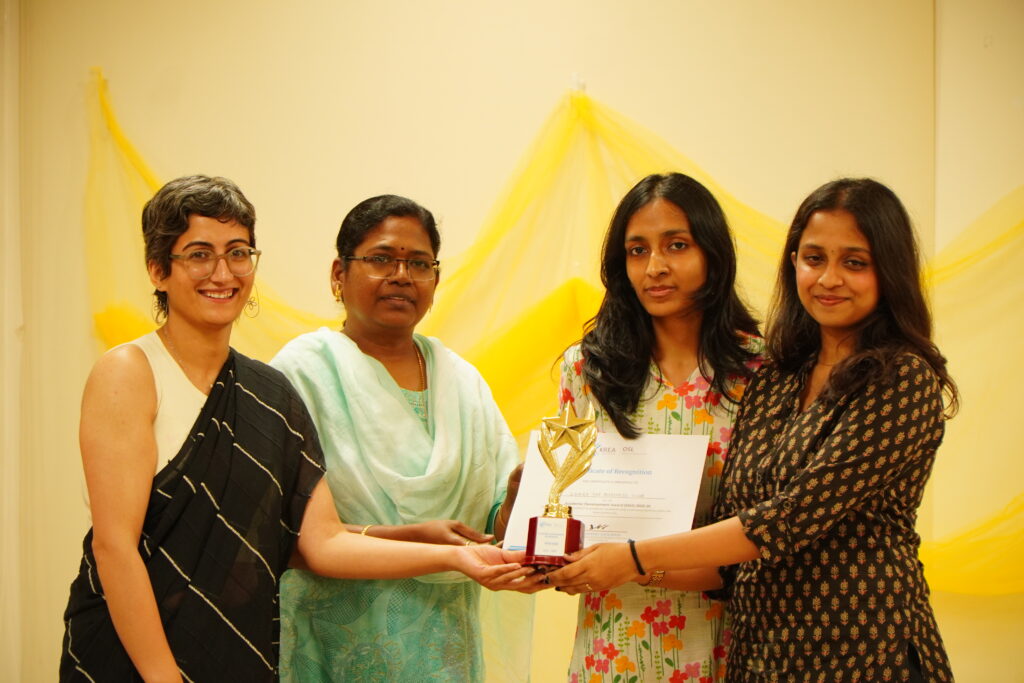
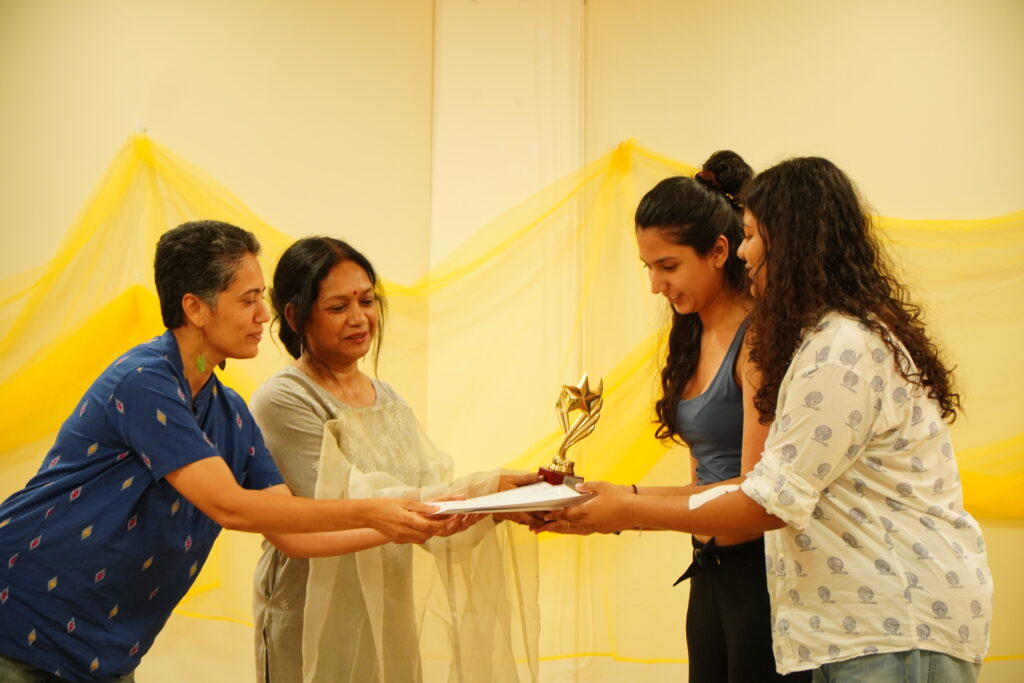
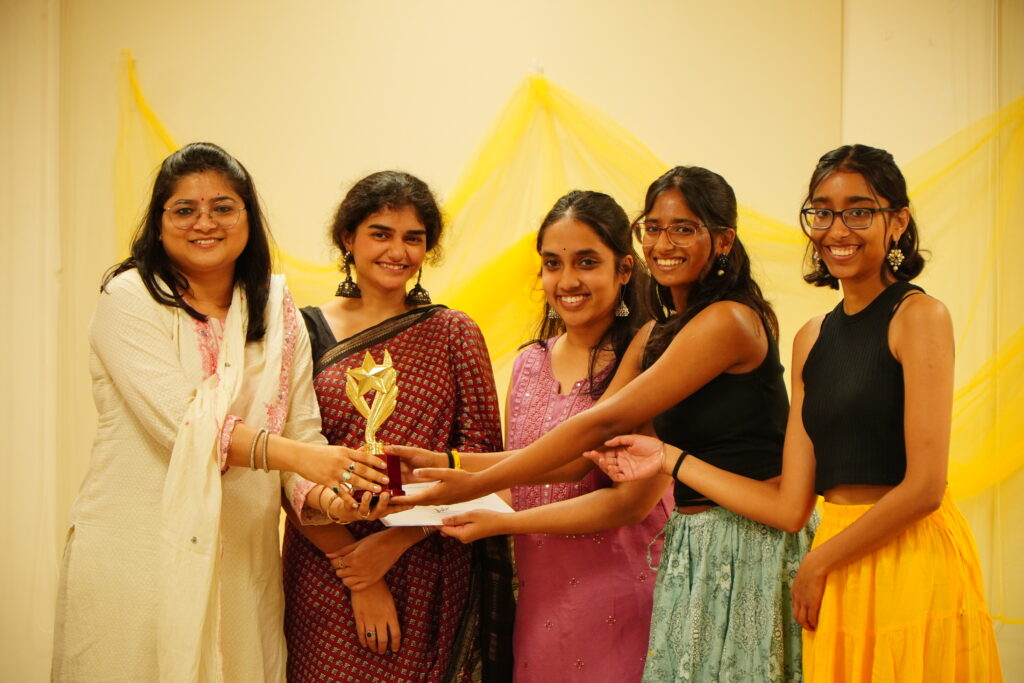
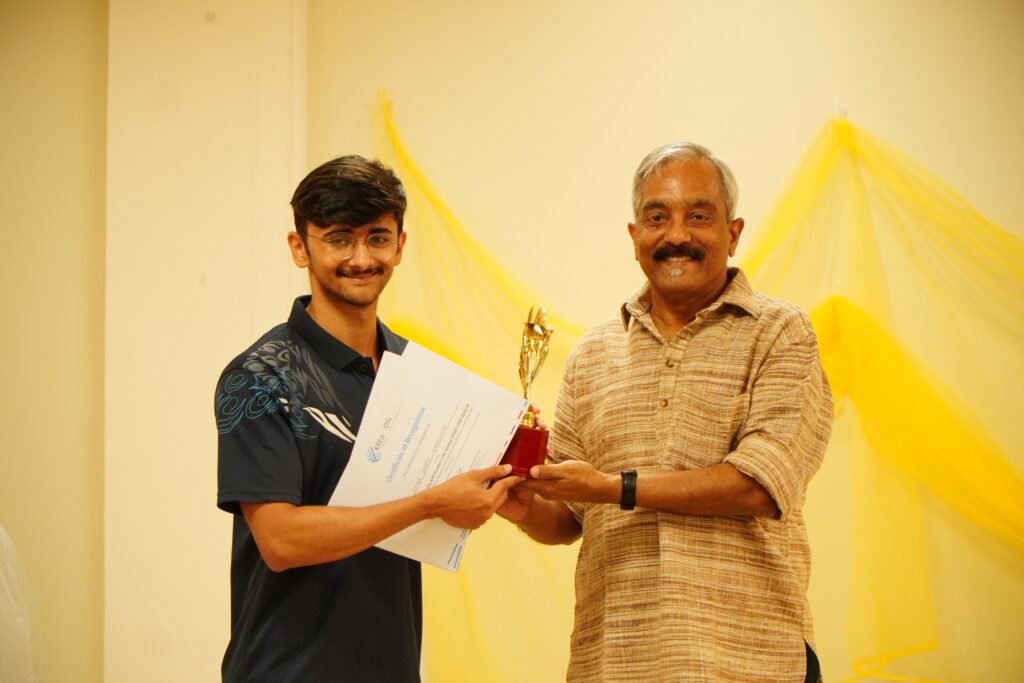
The awards were structured across two broad categories: University Awards, which recognise excellence across all programmes, and Programme-Specific Awards, which highlight outstanding contributions within individual schools.
At the highest level of recognition, the University Awards celebrated communities that have demonstrated exceptional impact while truly embodying Krea’s core values. The Spirit of Krea Award, the university’s highest honour, was awarded to SAHAS, the Adventure Club at SIAS. With over 1,000 members, SAHAS has built a deeply inclusive and vibrant community centred around connection and shared experiences. From Eastern Ghats bike trips to Himalayan expeditions and collaborations with initiatives like the Happiness Project, their efforts have consistently fostered belonging and reflected the very ethos of Krea.
Alongside this, the Krea Impact and Excellence Award was presented to Aikyatha, the Social Outreach Club at SIAS, for their sustained and meaningful contributions to social impact. Through initiatives such as their work with the Raise a Child orphanage in Sullurpeta and the Boystown programme in Gummidipundi, Aikyatha has demonstrated a strong commitment to responsibility and community engagement.
Equally inspiring was the recognition of sustainability efforts through the Most Sustainable Community Award, awarded to Prakriti, the Environment Club at SIAS. Prakriti has made sustainability both accessible and engaging for the campus community. From organising clean-up drives in collaboration with the Sri City Administration to promoting circular fashion through thrift initiatives, their work integrates environmental consciousness into everyday student life. Their exhibitions, newsletters, and upcoming sustainable fashion show further underscore their commitment to fostering awareness and inspiring change.
The Community Engagement and Advocacy Award was presented to Samarthan, Social Service Committee at IFMR GSB, for their consistent and impactful programming. Through initiatives such as blood donation drives with the Red Cross, Wish Tree, and Lakshmi Bal Mahotsav, Samarthan has created meaningful avenues for student participation while addressing real social needs. Their ability to combine creativity with sustained engagement has helped cultivate a strong sense of empathy and collective responsibility within the campus.
Recognising emerging potential, the Best Emerging Community Award went to Ascent, the BBA club at IFMR GSB. Despite being relatively new, Ascent has made a remarkable mark through innovative, high-energy initiatives such as Deal or No Deal, Ascent Banayega Crorepati, and Boardroom Breakdown. These events not only encourage participation but also bridge the gap between theory and practice, enabling students to develop leadership, teamwork, and strategic thinking skills in dynamic environments.
A special highlight of this year’s awards was the introduction of the Best Initiative Award, presented to BOLT, organised by the Krea Sports Club at SIAS. This recognition celebrated BOLT’s successful transition into an intercollegiate event, bringing together over 15 colleges and more than 400 participants. This milestone reflects the growing ambition and organisational capability of student communities at Krea, setting a strong precedent for future initiatives.