Sociology and Social Anthropology offers an interdisciplinary Major grounded in two core aspects of modern social thought: understanding how social worlds are made, and imagining how they might be transformed.
The programme examines society by deconstructing it through key concepts, questions, and frameworks, offering students multiple ways of seeing, interpreting, and engaging with the social. It brings together structural and systemic analysis with attention to lived experience and everyday life. This lens allows students to examine theories, institutions, practices, and forms of agency as they intersect with political, economic, historical, technological, cultural, and environmental forces.
Exploring the relationships between land, communities, political economy, and ecology draws on insights from Human Geography and Environmental Studies. Critical Race, Caste, and Gender Studies deepen our understanding of how ethnicity, caste, gender, and national and diasporic identities are shaped and contested. Science and Technology Studies—focusing on emerging technologies, digital labour, knowledge production, cultural studies of technological and scientific communities, as well as New Media and Pop Culture Studies—examines how knowledge, research, and innovation reshape social and political life. A focus on capitalism, infrastructure studies, and development helps chart contemporary socioeconomic and ecological transformations. Urban Studies, finally, addresses the challenges and opportunities of rapid global urbanisation and its social and ecological impacts.
Together, these perspectives equip students to think critically, act ethically, and engage creatively in our rapidly changing world.
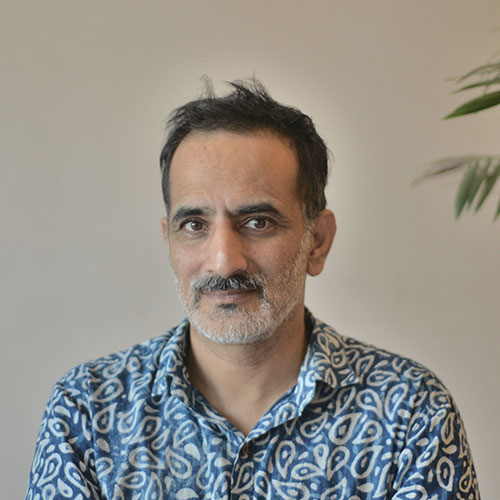
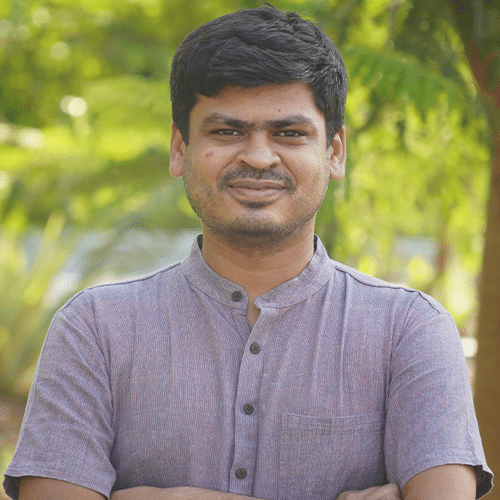
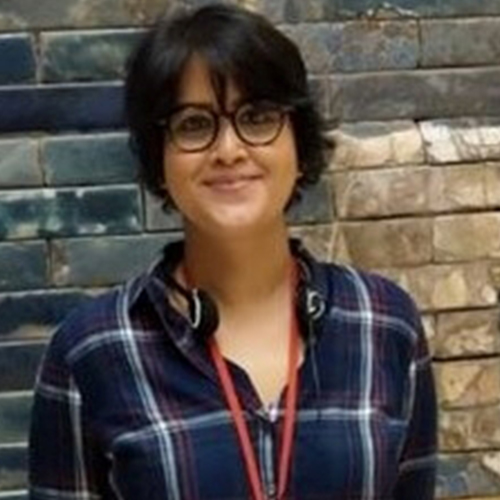
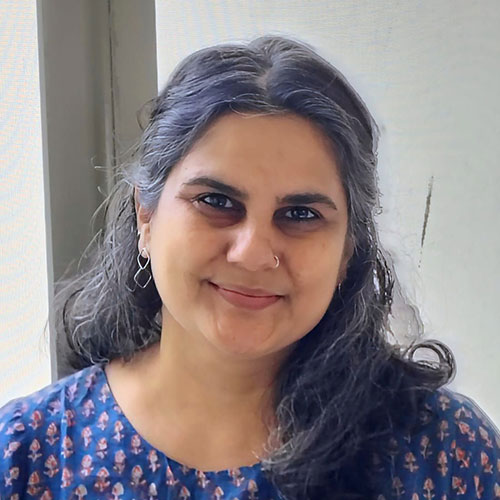
Sociology and Social Anthropology at Krea University stands out for the intellectual depth, diversity, and accessibility of its faculty. The department comprises a motley group of scholars trained in India and abroad, working across disciplines, from Sociology and Anthropology to Economics, Gender Studies, Science and Technology Studies (STS), Media Studies, Urban Studies, Political Studies, Migration Studies, Environmental Studies, and Agrarian Studies. Faculty are actively engaged in research that addresses urgent social questions—inequality and justice; climate and ecology; urbanisation; technology and knowledge; identity and belonging; and governance and policy—grounded in a strong tradition of fieldwork, comparative inquiry, and transnational engagement.
Curriculum and Learning Experience
The programme offers a range of required and elective courses that respond to a wide variety of perspectives. These courses span social thought to empiricism; ethnography to big data analyses; science and technology to caste and gender relations; critiques of development to the emergence of neoliberal cities; migration studies to agrarian studies; and political economy to the study of poverty, violence, citizenship, nationalism, non-humans, the environment, and social justice, among others.
Required courses such as Introduction to Sociological and Anthropological Thought and Research Methodology, for example, are designed to provide foundational epistemic grounding. Several electives build on this foundation to offer more focused and advanced insights into a wide range of contrasting social realities. This breadth enables students to encounter the social world not through a single lens, but through intersecting perspectives that reflect the complexity of contemporary life.
Mentorship, Research, and Community
Small class sizes, close engagement, and an emphasis on dialogue allow students to explore how knowledge is produced, challenged, and reimagined. The department welcomes students, considered emerging scholars, from across the world into a vibrant and inclusive academic community, encouraging them to think critically, write rigorously, and develop original research questions.
Students are encouraged to write a Capstone thesis in the final phase of their Major, offering an opportunity to showcase their conceptual and research skills through field immersions, data gathering, and analysis. Faculty from across the three divisions of SIAS come together to teach courses within this Major.
The strength of Sociology and Social Anthropology at Krea lies not only in what is studied, but in how it is taught, combining intellectual rigour, ethical engagement, and a deep commitment to nurturing thoughtful, curious, joyful, and socially engaged graduates.
In addition to the above, students are required to take 10 elective courses.
In addition to the above, students are required to take 6 elective courses.
In addition to the above, students are required to take 4 elective courses.
In addition to the above, students are required to take 2 elective courses.
For the 4-Year Concentration, in addition to the above, students are required to take 1 elective course.

All required courses can also be taken as elective courses.
The Sociology and Social Anthropology course evaluations at Krea University focus on rigorous, subfield-specific assessment methods that reinforce critical thinking, analytical skills, rigorous research, participatory learning, fact-based knowledge retention, and sharp writing. Key methods include intensive coursework; seminar-based assessment of classroom interactions; group and individual presentations; take-home research papers; sit-down examinations; and independent research projects approved by individual faculty members.
The programme places significant importance on attendance and participation, encouraging students to think critically, pose informed questions, and contribute meaningfully to collaborative work. This sustained interaction not only enriches the classroom environment but also nurtures habits of reflective and dialogic learning, as well as creative thinking, writing, and experimentation. As in other disciplines, the assessment practices are designed to cultivate a holistic learning ecosystem that blends knowledge production with creativity, collaboration, and critical inquiry, embodying Krea University’s interdisciplinary and participatory educational philosophy.
Sociology and Social Anthropology graduation requirements for the three-year and four-year degree programmes:
|
Credits needed to earn a Single Major in Sociology and Social Anthropology |
Credits needed to earn a Double Major in Sociology and Social Anthropology |
Credits needed to earn a Minor in Sociology and Social Anthropology |
Credits needed to earn a Concentration in Sociology and Social Anthropology |
|
| 3-Year Programme | 60 | 48 | 24 | 16 |
| 4-Year Programme | 80 | 64 | 32 | 20 |
Sociology and Social Anthropology graduation requirements for the three-year and four-year degree programmes:
| Single Major | Double Major | Minor | Concentration | |||||
| Required | Elective | Required | Elective | Required | Elective | Required | Elective | |
| 3-Year Programme | 36 | 24 | 32 | 16 | 16 | 8 | 16 | 0 |
| 4-Year Programme | 40 | 40 | 36 | 28 | 16 | 16 | 16 | 4 |
To earn a Sociology and Social Anthropology Major, Minor, or Concentration, students must complete the required and elective credits in Sociology and Social Anthropology courses as indicated above.
The Krea Social Sciences graduate, apart from imbibing the values of democratic citizenship, armed with a Major in social studies will be ready for many callings including higher studies in social sciences, government work, consulting, and careers in nonprofit institutions, journalism, teaching, and social work.
Partnerships
Krea University has partnerships with leading universities in India and abroad that offer students pathways for higher education and research. These collaborations create opportunities for postgraduate study, academic exchange, and continued learning across disciplines. Know more
Higher Education Pathways: MA/PhD in Sociology, Social Anthropology, Development Studies, Gender Studies, Social Work, Public Policy, Human Rights, Migration and Diaspora Studies, Cultural Studies and more.
Job roles: Funds Worker/ Manager, Community Development Officer, Human Resources Officer, Market Researcher and more.
Lorem ipsum dolor sit amet, consectetur adipiscing elit. Ut elit tellus, luctus nec ullamcorper mattis, pulvinar dapibus leo.
“Social Studies at Krea University has a well rounded curriculum that allows students to delve into diverse subjects ranging from economics and history to politics, literature, and the arts. The faculty is accommodating and well versed in their respective fields, ensuring an environment where learning thrives, through lectures and discussions that are extremely insightful and engaging. Studying Social Studies at Krea has been a truly transformative experience that has broadened my perspectives.”