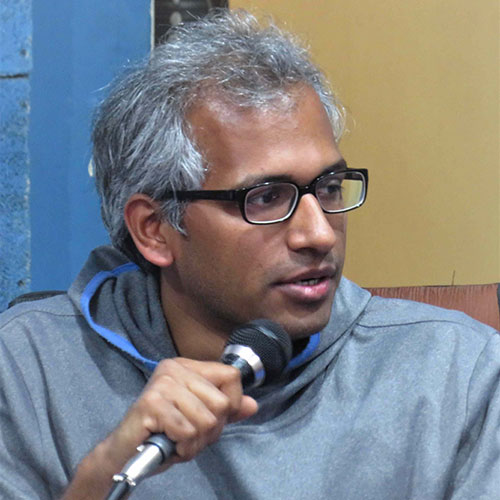
​Dr Chirag Dhara delivers a talk at IGIDR Mumbai

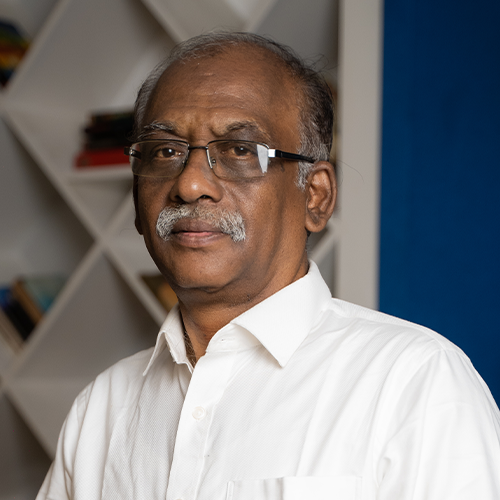
Dr Chirag Dhara, Assistant Professor, Environmental Studies, SIAS delivered a talk titled , ‘What levels of development can humanity sustainably aspire to?’ at Indira Gandhi Institute for Development Research (IGIDR) in Mumbai on 23 April 2025.

Abstract of the Talk :

What levels of development can the Global South sustainably aspire to? We argue that positioning Nordic countries as the leaders of “sustainable development”, as is often done, poses a serious dilemma: international adoption of their lifestyles risks severely breaching planetary biophysical limits, while non-adoption risks perpetuating developmental inequality. We introduce a revised conceptual framework for “sustainable development” emphasising scalability as a pivotal facet. Our results highlight Panama, Costa Rica, and Sri Lanka as having achieved high levels of social progress with low environmental pressures, representing a more realistic aspiration for the rest of humanity.
The talk was based on Dr Dhara’s recently published paper, co-authored with Dr Soumyajit Bhar, titled, A scalability-centric perspective on global human development within environmental limits.
Read more

​Dr Jyoti Kumari pens an opinion article in the Deccan Herald

​Dr Jyoti Kumari, Assistant Professor, Finance, Accounting and Quantitative Finance, IFMR GSB has penned an opinion article in the Deccan Herald titled, How decentralised credit enables SMEs, MSMEs.

The article discusses how decentralisation of credit and smart lending not only transforms the MSME sector but also contributes significantly to India’s economic growth.

Read more

Dr Swayam Sampurna Panigrahi, Tanisha Tayal and Daniel George pen an article in Telangana Today

Dr Swayam Sampurna Panigrahi, Assistant Professor, Operations and Area Chair – Operation, IFMR GSB and SIAS students Tanisha Tayal and Daniel George have co-written an article titled, Growing e-waste crisis in Telangana Today. Through the article they emphasise that e-waste is not just about disposal but about redefining technology, consumption and sustainability. 

Read more

Dr Debankar Saha co-authors paper published in published in Tourism Recreation Research

A research paper co-authored by Dr Debankur Saha, Assistant Professor & Area Chair – Marketing, IFMR GSB, titled Influence of Avitourism Experience in Developing Environmentally Responsible Behaviour has been published in Tourism Recreation Research (ABDC – A / Scopus – Q1). The paper has been co-authored with Professor Anirban Chakraborty (IIM Lucknow).


This study explores the connection between birdwatching (avitourism) experiences and individuals’ commitment to environmental responsibility. It examines how various dimensions of avitourism experiences contribute to visitor well-being and promote environmentally responsible behaviour (ERB).

Read more

Dr Sambaiah Gundimeda delivers a talk at Telangana University

​Dr Sambaiah Gundimeda, Associate Professor and Discipline Coordinator, Politics, SIAS was invited by Telangana University, Nizamabad, Telangana, to deliver a talk at a webinar held on 13 April 2025, marking the 134th birth anniversary of Dr B R Ambedkar. The webinar was titled “Relevance of Dr. B. R. Ambedkar’s Thoughts in the 21st Century.” In his address, ​Dr Gundimeda focused on three key aspects of reservations concerning the Dalit community: education, employment, and political representation. He argued that while reservations—particularly in education and employment—have contributed to the emergence of a small Dalit middle class, political reservations have largely failed to empower marginalised communities. Instead, he contended, they have led to the creation of what Kanshi Ram called “political slaves” or chamchas of the upper-caste leadership.

According to ​D​r Gundimeda, the voice of Dalits in caste- and religion-based political formations can only be meaningfully heard when Dalits have their own independent political entities. He also explored Ambedkar’s ideas on the annihilation of caste and religious conversion as means of social emancipation. ​Dr Gundimeda concluded by asserting that transforming India’s vertical social hierarchy into a horizontal one is possible only when the marginalised gain real political power.

Professor Madhuri Saripalle gives Visiting Faculty Lectures at University of Catania and Ragusa

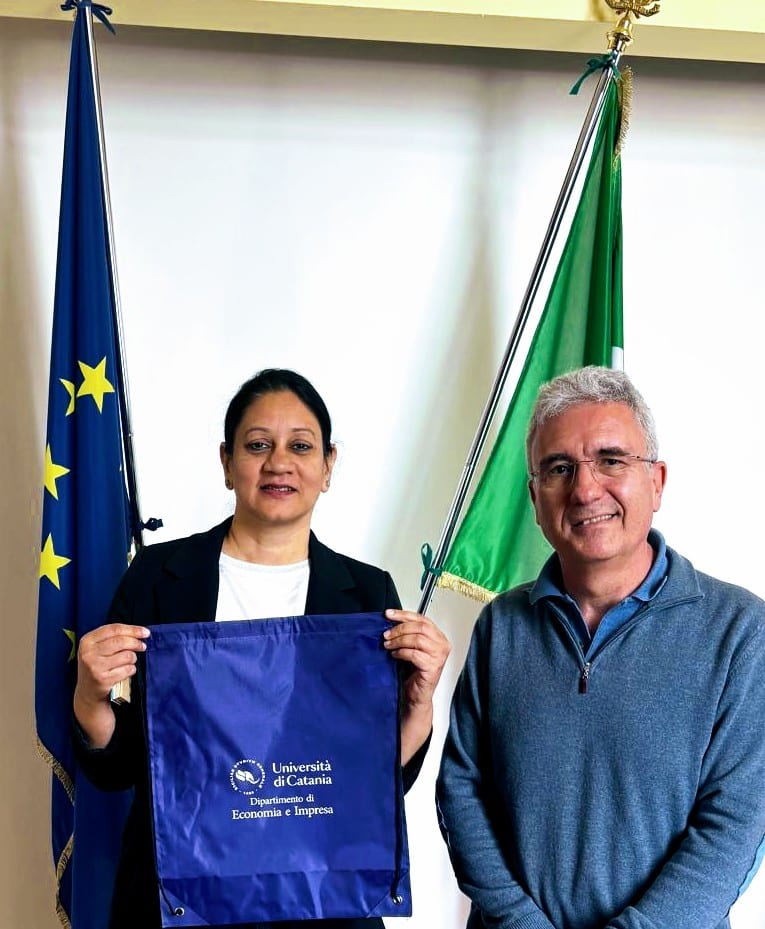
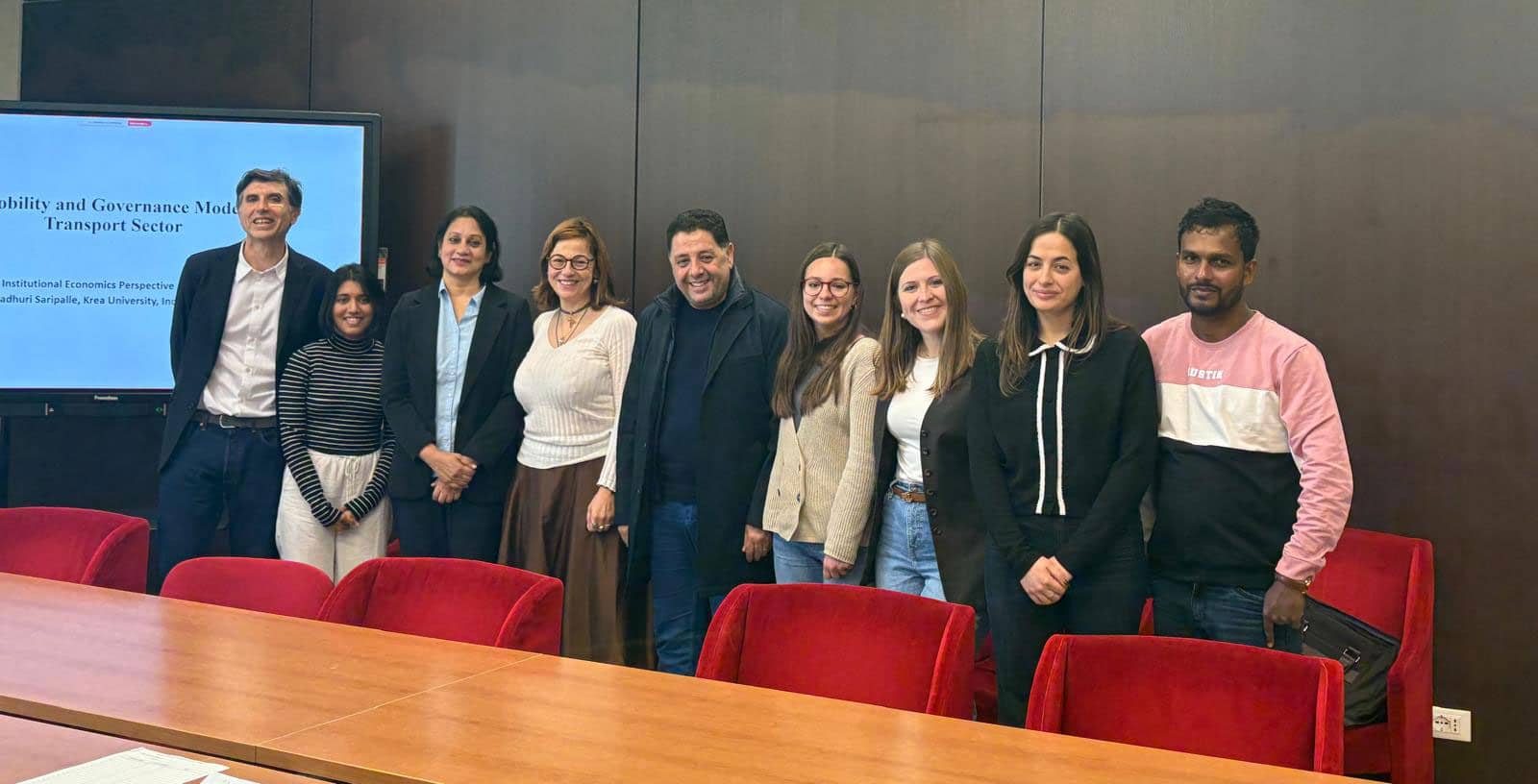
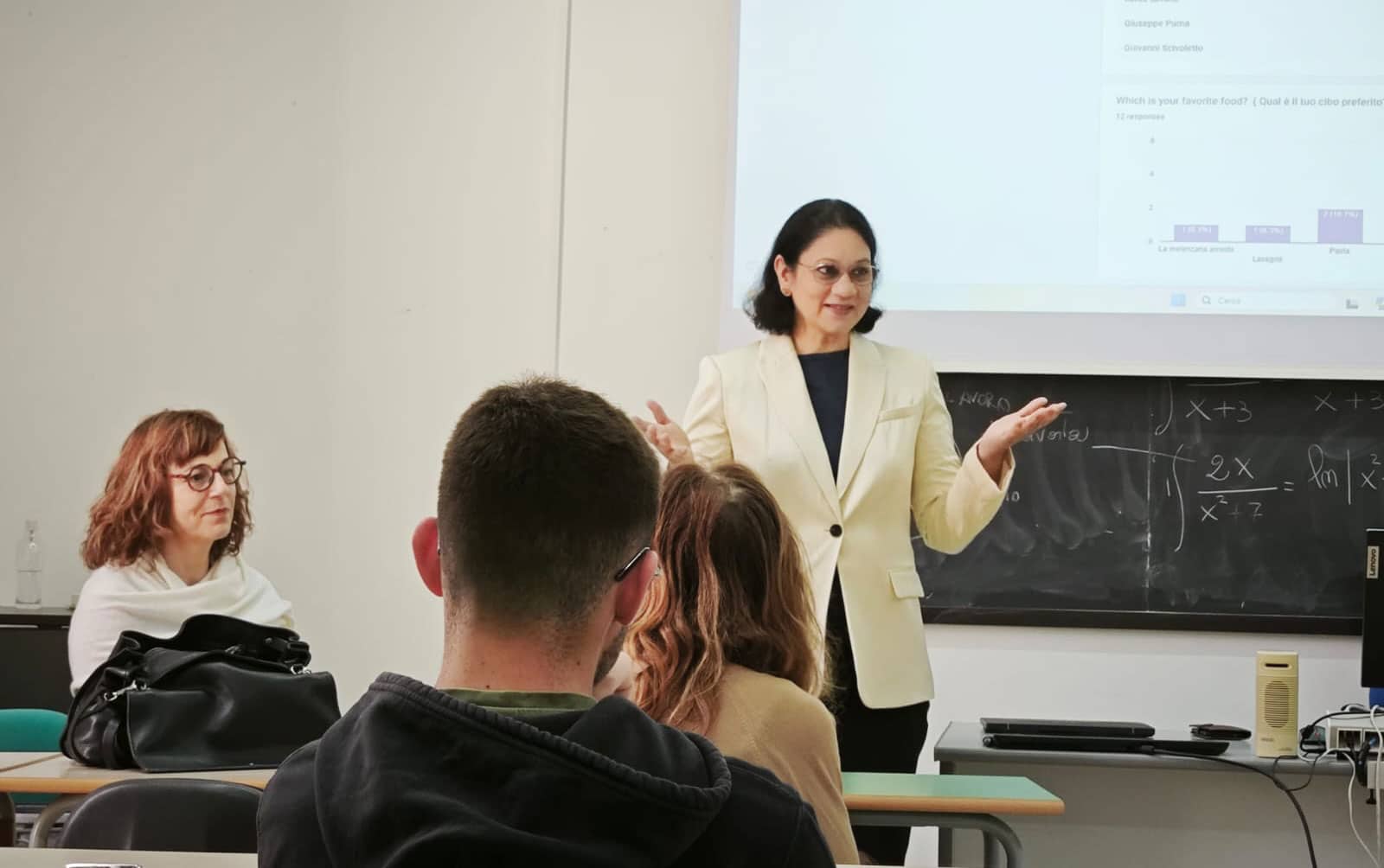
Professor Madhuri Saripalle, Professor, Economics and MBA Chair, IFMR GSB recently gave two lectures as visiting faculty at the University of Catania and Ragusa. Professor Saripalle gave a lecture on urban mobility to PhD students at the university and also a lecture on agribusiness supply chains to the undergraduate economics students at Ragusa. The University of Catania, founded in 1434, is the oldest university in Sicily and is a unique blend of ancient civilization with a modern curriculum adapting to the needs of the new generation. The visit was supported by the IFMR fund for the visiting faculty exchange program at Krea University. She also had a chance to interact with the head of the Department, Dr Roberto Cellini, and the hosts- Professors Luca Ruggeiro and MariaOlivella Rizza and other faculty members.

Case Study by IFMR GSB Faculty published with Ivey Publishing

​A case study co-authored by Professor Balasubramanian Vijayalakshmi, Professor, OB & HR, IFMR GSB; Professor N Chandrasekaran, Professor Chandrasekaran N, Professor, Operations and Strategy, Area Chair – Strategic Management and Chairperson – Executive MBA programme, IFMR GSB; and Dr Sathya Saminadan R S, Associate Professor of Practice, Marketing​, IFMR GSB has been recently published with Ivey Publishing.

Titled​ ​​Grow Out of the Box,​ the case highlights the entrepreneurial journey of a creative SME and is now part of the global teaching portfolio used in management and business classrooms around the world.

Read more

Dr Dipanjali Deka presented a lecture-demonstration on ‘The Art of Dying – Songs and Dohas of Kabir and other Nirguni Poets’.

Dr Dipanjali Deka, Visiting Assistant Professor, Centre for Writing and Pedagogy presented a lecture-demonstration in Jindal Global University on 8 April 2025 titled ‘The Art of Dying – Songs and Dohas of Kabir and other Nirguni Poets’. In the presentation, Dr Deka examined the questions of orality, memory, fluidity and relevance in the living tradition of Kabir, through the themes of social and religious criticism, death and impermanence, non-duality and love in Kabir’s philosophy.

​Dr Chirag Dhara co-authors an article in 360info

An article co-authored by Dr Chirag Dhara, Assistant Professor, Environmental Studies and Dr Soumyajit Bhar, BML Munjal University, titled Why sustainable development ought to look more like Costa Rica, less like Norway has been recently published in 360info. The article deep dives into the question, “which countries have achieved decent living standards in a way that could be scaled worldwide without severely breaking planetary limits?”

Read more

Dr Sambaiah Gundimeda speaks as a panellist at NALSAR University of Law

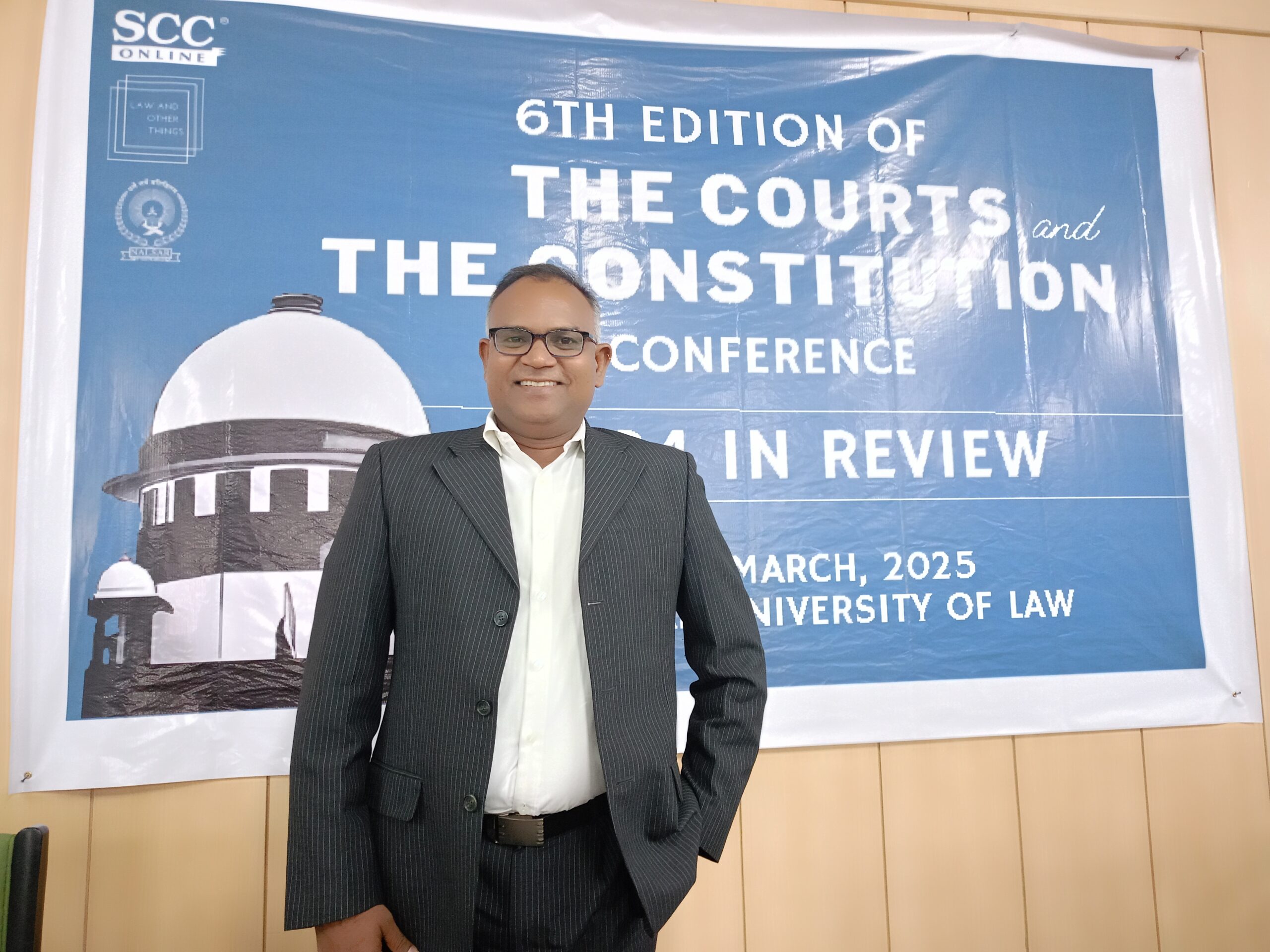
Dr Sambaiah Gundimeda, Associate Professor, Politics, SIAS was invited to speak on the panel “Caste and Equality” at NALSAR University of Law, Hyderabad, during its annual conference on “The Courts and the Constitution”, held from 29-30 March 2025. Dr Gundimeda discussed a recent Supreme Court verdict on the sub-classification of Scheduled Caste reservations in Davinder Singh v State of Punjab, 2024.

Dr Gundimeda, in his discussion, critiqued Justice Bela Trivedi’s dissenting opinion, which asserts that Scheduled Castes (SCs) should be treated as a homogeneous group without internal divisions in reservations. He countered this by emphasising the diversity within SCs, the dominance of certain Dalit sub-castes in availing reservation benefits, and the structural inequalities that necessitate sub-classification.

He argued that true justice is not merely about treating all SCs as equals but about ensuring that the most marginalised within the category receive the support they need. Additionally, he addressed broader themes of structural injustice, representation, and systemic barriers that hinder equitable access to opportunities for the most disadvantaged SC sub-groups.