Unravelling a Narrative on Education, Economy and the Vision Forward with Dr Raghuram Rajan

Unravelling a Narrative on Education, Economy and the Vision Forward with Dr Raghuram Rajan

“Our development has to build on our unique aspects, more specifically on our liberal democracy and institutions, and that will be our strength. The future is limitless.”  

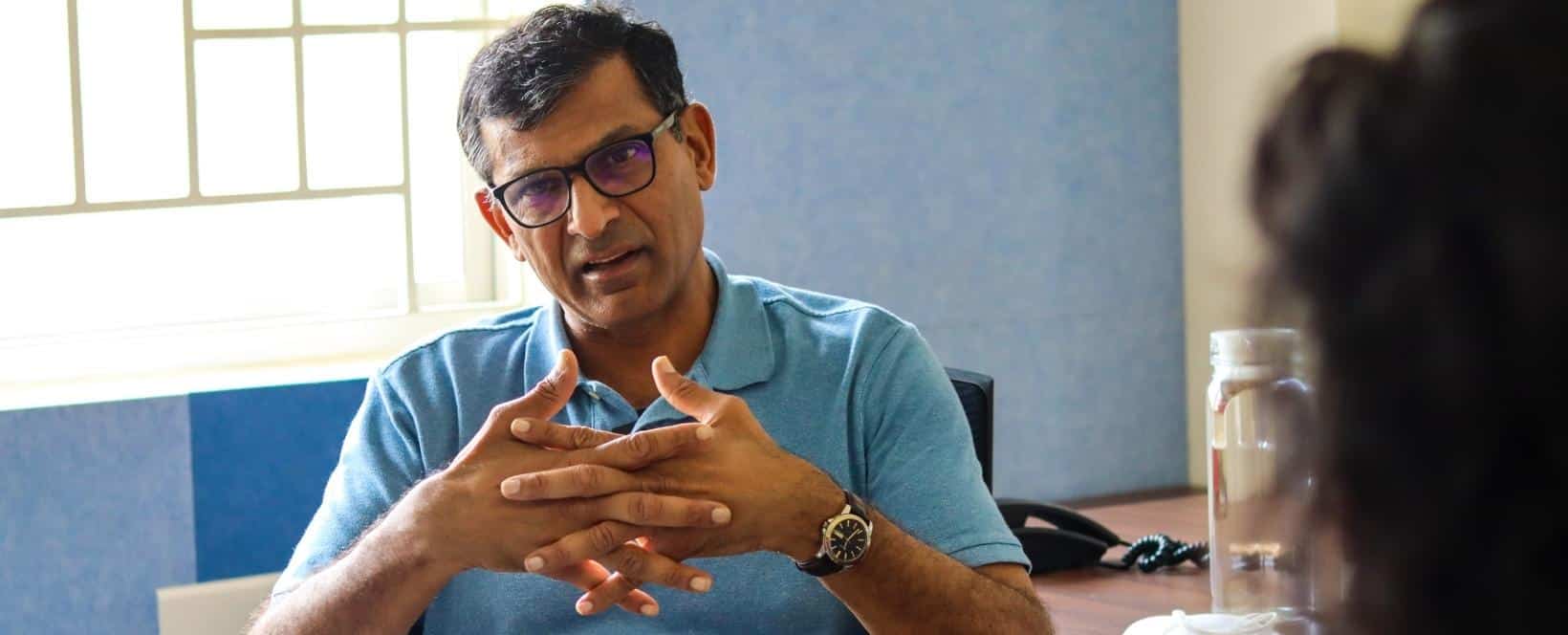
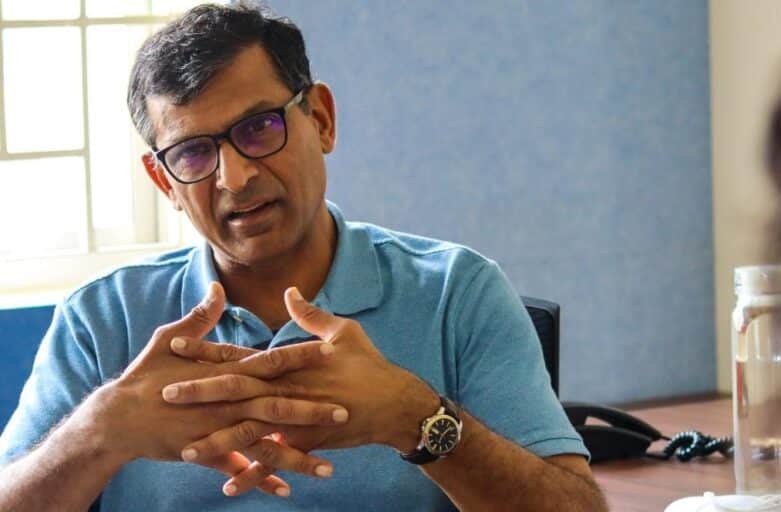
These inspiring words pitched the gateway to a deeply insightful session anchored by Dr Raghuram Rajan, as he shared narratives on the need-of-the-hour remedies for India’s economic recovery, on creating better education and healthcare systems, and working on using hard infrastructure to facilitate access to markets.
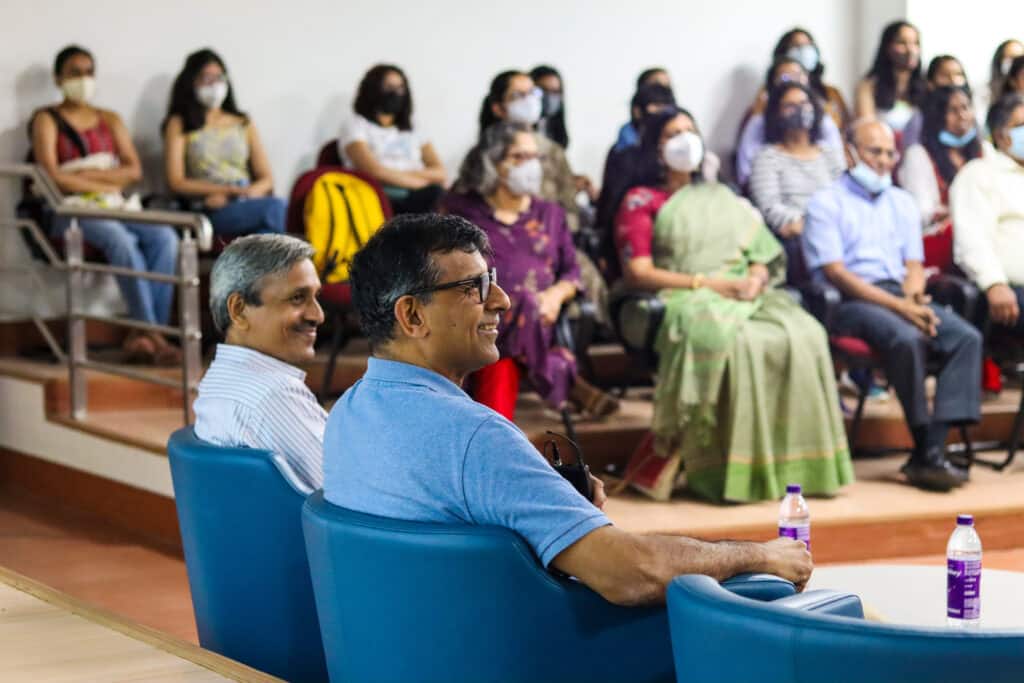
In a wide-ranging discussion, with the students at Krea, Dr Rajan also responded to a room brimming with questions and shared his perspectives on various aspects, from making a choice to move away from the rat race, better ways of financial inclusion, entrepreneurship and its merits, lessons from history and the need for young students such as the audience to fight for preserving and advancing the India that we have created, with resilience and optimism.

Dr Raghuram Rajan kicked off the interaction shedding light on the K-shaped economic recovery in India and how poor employment numbers are the key indicators of economic underperformance.

“One of the numbers that really struck me is the female participation in the workforce in India and it was the lowest in G 20 along with Saudi Arabia in 2019.  Even Saudi Arabia has reformed, opening up jobs for women, their labor force participation for women is 33% today, we are still at 20%. We have a long way to go.”

He expressed the need for a reality check, on what could be rectified and done differently. On why a country with definite successes such as the largest two-wheeler industry in the world, ability of ISRO to send missions to Mars for a fraction of the cost as NASA and whose UPI is being emulated in many countries as a case study of fast payments, is still underperforming.

He laid emphasis on creating hard infrastructure that allows connections and access to markets and soft infrastructure such as creating more education and healthcare. He suggested that withing the economy, India focus on services more than goods. He conveyed the importance of investing in people and how the biggest concern today is not economic recovery but schooling, especially of young children in government schools who have been set back by two years and are in the danger of dropping out.

Reminiscing his time at RBI, he spoke of days when they would step out to have a meal at the home of a Class 4 employee, the lowest tier of employment in the organisation. “It was a fascinating sight to see the children of these employees work with Infosys and some as bank managers. In one generation they had moved out of the low level of employment to this, that’s what education can do.”
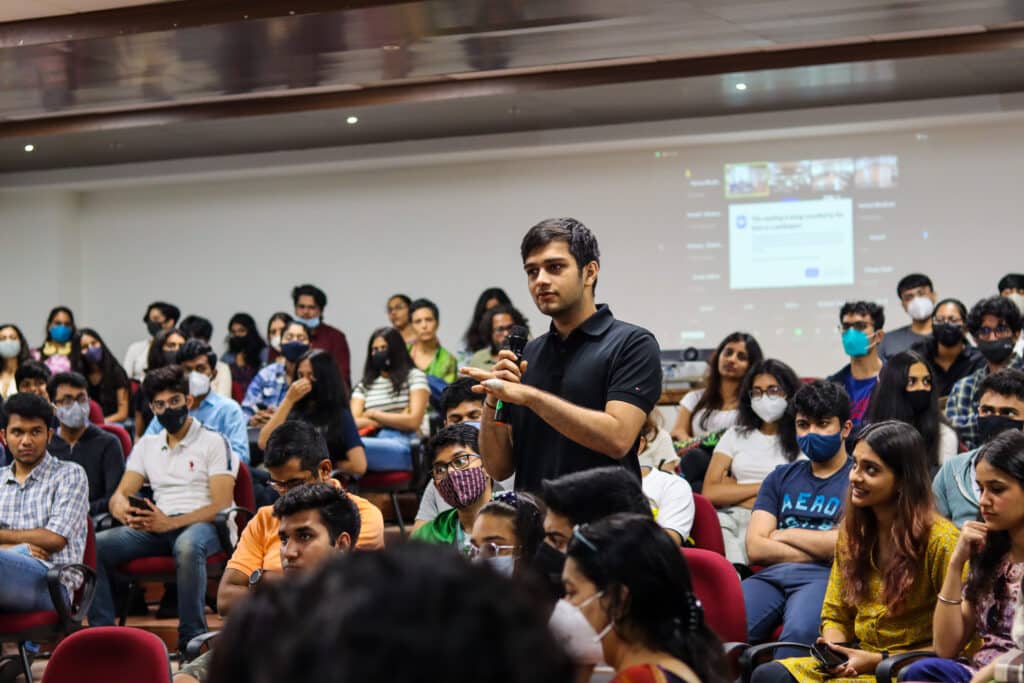
As the session moved on to the Q&A segment, the questions rolled in succession. Answering one of the queries on disparity, he retorted “We have to work on ensuring quality of education spreads from stronger universities to weaker ones. Universities like Krea should become research universities, so they can train teachers and students at Krea could do a PhD, come back and populate the other universities. Create an ecosystem and spread the benefits. This won’t happen overnight and will take 20-30 years to realise but any vision has to start now.

In answer to a query on colonialism and India and its dire effects on India’s progress, Dr Rajan recommended that we look forward and use history in matters such as dialogues on climate change. “Use it to insist on the right to more emissions than Western countries as they have been destroying the atmosphere for a much longer time”.
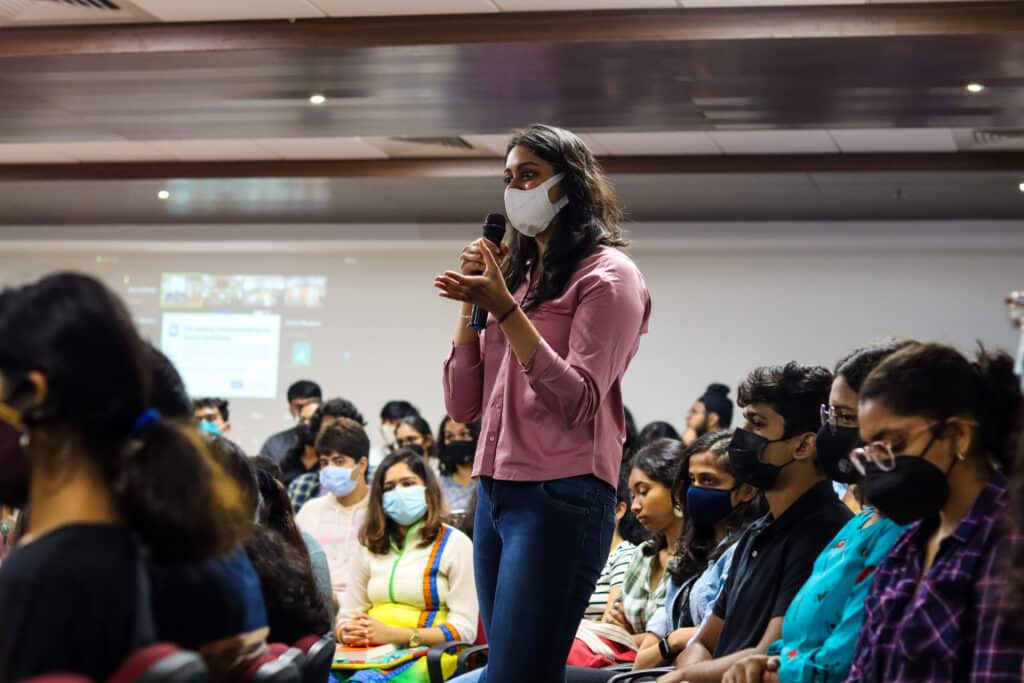
Speaking in response to a question on financial inclusion, Dr Rajan emphasised how entities in microfinance do bridge the gap through easy facilitation of credit, but the bigger problem lay in the management of finance by the poor. There is an urgent need of imparting skills and education before providing credit to them. In many such cases, Fintech could step in at places where banks are reluctant and even hand hold them, exploring new possibilities and ways to access.

On being asked to comment on the ‘rat race’ and a way out of it, he advised, “You can refuse to be part of the rat race. There are so many possibilities today. As we grow richer as a country, we can afford basic living in what we do and wherever we are. Then you can look at fulfilment in what you do instead of from the salary you are getting.”

Sharing anecdotes laced with humor from his own life experience, Dr Rajan explained how during his younger days, the choices were limited to either the IIT, the stream of medical science and to some extent the Economics at St Stephens and becoming an entrepreneur was often associated with youngsters who couldn’t land employment opportunities. On how he succumbed to the rat race, studied at IIT and later circled back to Economics. He shed light on how there were innumerable opportunities for the young graduates today.

As a parting note, Dr Rajan left these powerful words with the young audience to mull and act on. “As young people you need to fight for a better India, the future of the country is in your hands. Fight for a country which embodies the best of the past. We have a constant battle on what is best and it’s you who has to decide that. The experiment of India that our founding fathers thought of is a bold one, let’s not lose the best of what we created, let’s preserve that. Do whatever you do with all the energy you have. It’s not necessary to be a social worker or work in an NGO, you can produce the best widget in the world and still add value. Just go out and be the best in whatever you do.”
Lekshmi Gopinathan reports, from the Communications Desk.

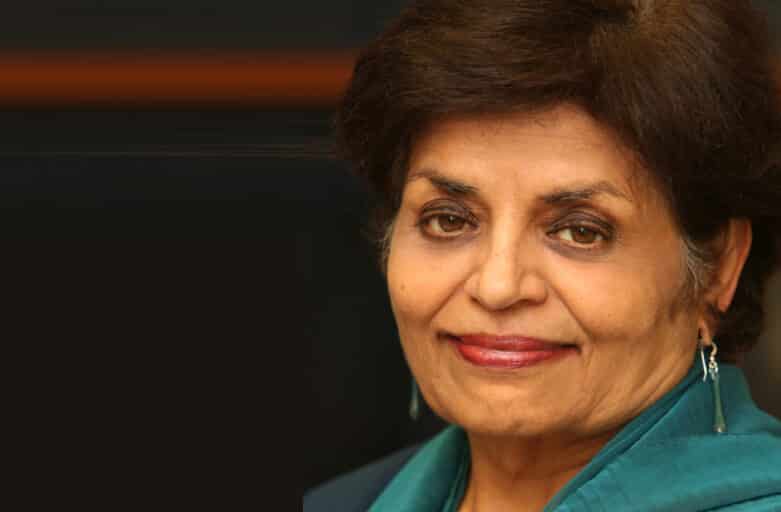
In conversation with Dr Vishakha N Desai, Member, Governing Council and Academic Council at Krea University

In conversation with Dr Vishakha N Desai, Member, Governing Council and Academic Council at Krea University

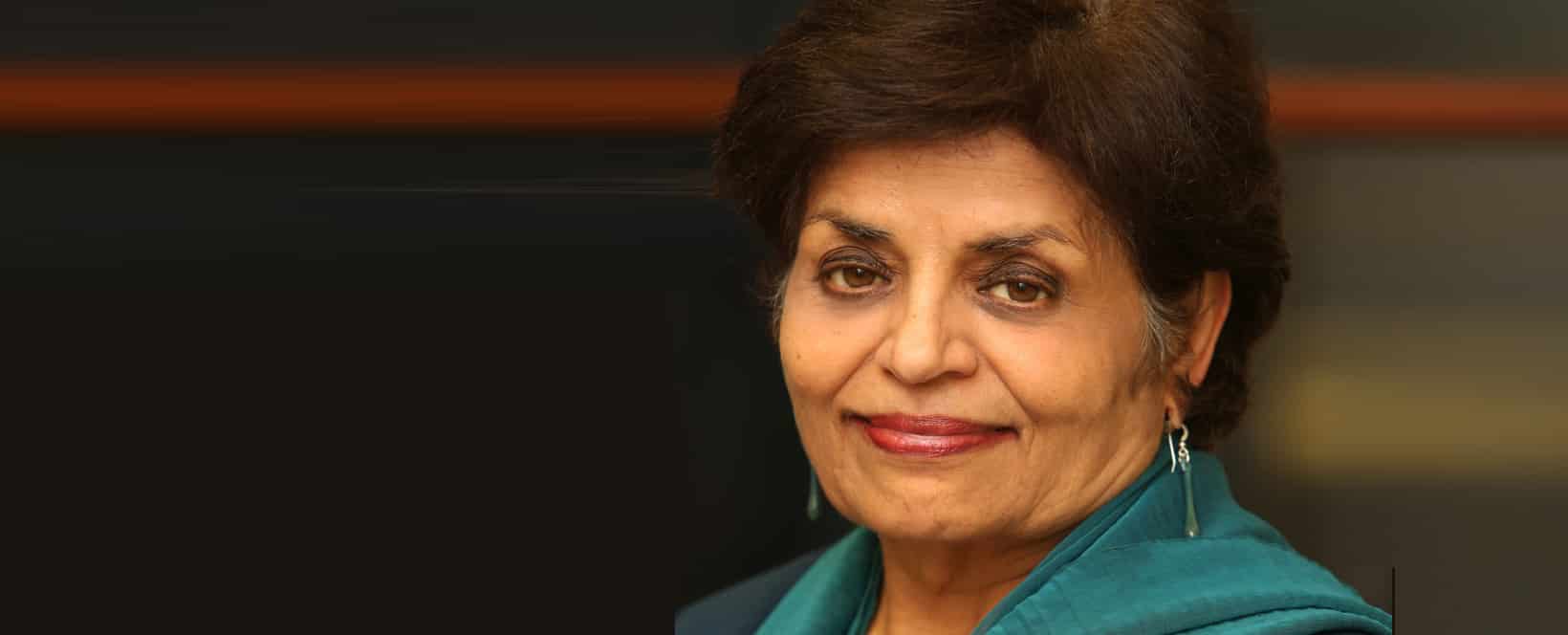
Dr Vishakha Desai is a member, Governing Council and Academic Council, Krea University. She is also Senior Advisor for Global Affairs at Columbia University, and an adjunct professor at the School of International and Public Affairs. She was President and CEO of the Asia Society, a leading global organisation committed to strengthening partnerships among the people, leaders and institutions of Asia and the United States. In 2012, President Barack Obama appointed her to serve on the National Museums and Library Services Board. Dr Desai holds a BA in Political Science from the University of Mumbai, and MA and PhD in Asian Art History from the University of Michigan.

Dr Desai, the theme for the International Women’s Day 2022 is ‘Gender Equality Today for a Sustainable Tomorrow’. Why, according to you, is every word in this year’s theme is crucial

The phrase sustainable future, implies that it would be a future that would have consistency, a clear path and continuous renewal. Such a world is not possible if half the human race is not fully involved in creating that future. Equality doesn’t just mean participation but also equity of ownership, where women not only need a place at the table but also have the capacity to change the shape of the table, if necessary, to create a more sustainable future. 

Personally, do you believe that the world needs to dedicate a day exclusively to reinforce, reiterate the role, existence and impact of women in society? What is your view?

I wish we didn’t have to dedicate a day to highlight the role of women in society. It implies that the days in the rest of the year are not about issues and aspirations of women. The main reason we need to highlight women’s contributions on a single day is to remind everyone that this needs to continue throughout the year! Not a token that can be forgotten the next day, but an important step that paves a road. 

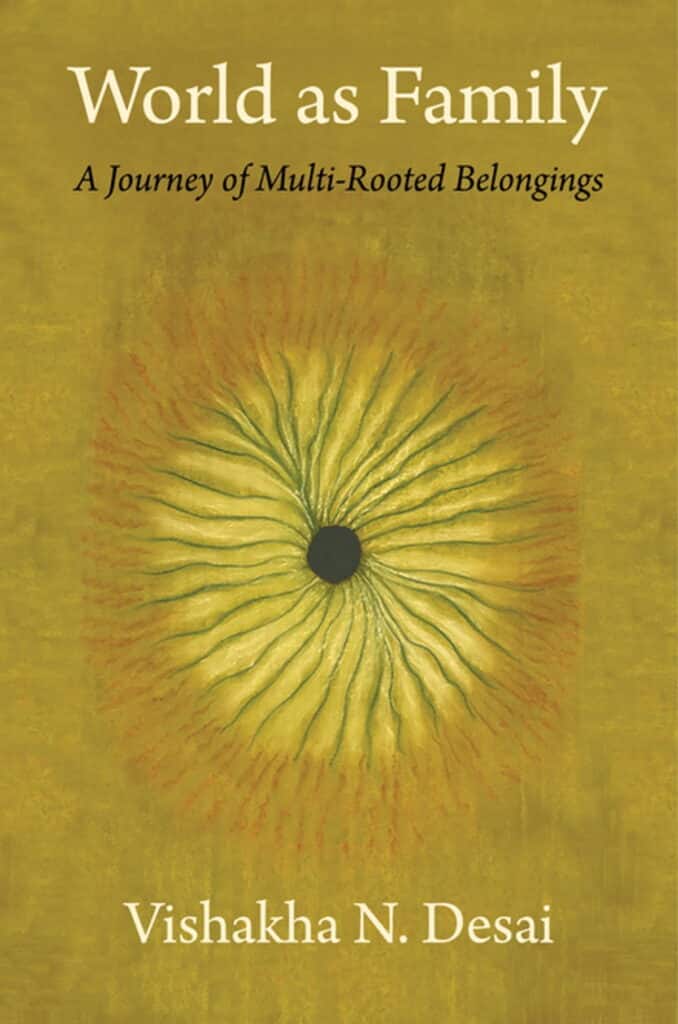
In an interview about your recent book, World as Family, responding to the relevance and importance of the idea of the book, you say, “​​the Coronavirus reminds us that no matter where we are, and who we are, the pathogens of the pandemic will affect our bodies the same way. My dancer friend Faustin Linyekula once said, the world lives in our body.” If we were to apply the same principle to the context of gender equality, would you say, women across the world – no matter the countries they are from – are grappling with a common set of issues and are in a sense, united in their fight for equality?

With the exception of a few matrilineal societies, it is fair to say that women in many parts of the world face issues of discrimination, but they are not always the same. As we have learned with Covid, while the pandemic affects people with the same level of alacrity, it does matter how individual countries or local communities handle the pandemic. Similarly, while women suffer inequality universally, how their issues are handled by political and social leaders does affect their well-being. 

You call two countries – India, and the United States – your home. As a woman, have you had to straddle these two worlds, differently? 

Given the different cultural contexts of the two countries, of course, one has to be sensitive to the surrounding conditions. But I do feel that through my upbringing in early independent India in a family of Gandhian freedom fighters, I learned to have my feet firmly planted while keeping my mind and eyes open to the world.  And that has served me well no matter where I am. 

What is your take on the global progress on gender equality?

After the Beijing women’s conference, there was a strong sense that women all over the world will continue to move forward with confidence, but it is fair to say that the progress has been unequal. For example, in India, more girls were going to school but during the pandemic, it affected young female students as well as women workers more adversely than men. In other words, in many parts of the world, new policies may have been put in place, the social attitudes have not changed fast enough because there has been less attention paid to changing the mindset. 

In countries across the world, women even in positions of power have had to make choices that men are less likely to make. While workplace policies over years have attempted bridging the divide, at a time when the world is talking of gender equality for a sustainable future, how do we accelerate systematic support so that women continue career roles while they continue to be mothers and caregivers?

First and foremost, we have to recognize that all societies have to account for the needs of families to provide shelter and financial support and taking care of the children and elders. These functions need not be gendered.  That is the reason some northern European countries are focusing on support for children and elders and not penalize women who often end up being the caretakers. 

Do you believe that the fight for equal rights is an everyday work-in-progress? 

Yes.

Do you have any advice for students who seek careers at the intersection of sustainable development and gender?

Sustainable development is often exclusively associated with environment and climate change, and it sounds very neutral. But as we are learning now, issues of equity, class and gender do affect how the climate crisis plays out. For example, it is only in the last five years or so, scholars have begun to highlight how the urban poor are more adversely affected by environmental degradation than others.  Similarly, the environmental degradation caused by wood and cow dung-burning cooking affects rural women more severely, and requires a gendered lens.  So, it is important to provide a gendered lens to the questions of environmental sustainability , and in the process expand the definition of sustainable development.  

And finally, if you were to share with us, three women you consider your role-models, who would they be?

My mother, Ruth Bader Ginsberg, and my women friends in their late eighties who continue to be engaged, active and always interesting! 

SIAS student conducts a skill development workshop for UG students at Kalasa

SIAS student conducts a skill development workshop for UG students at Kalasa

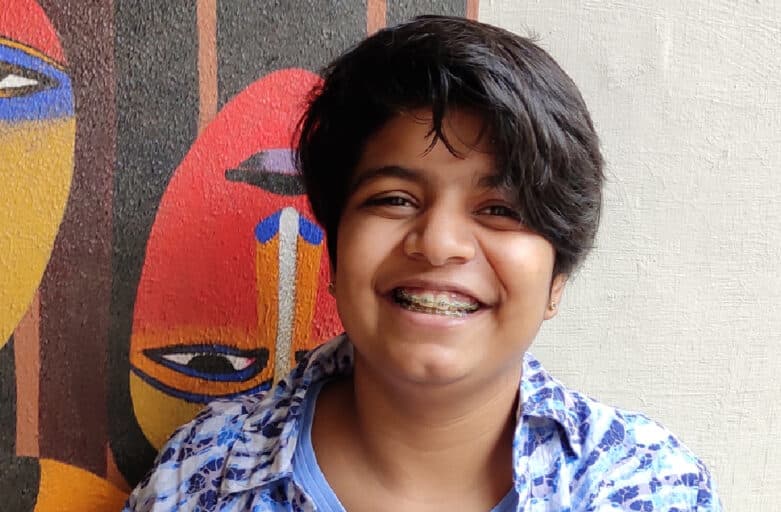
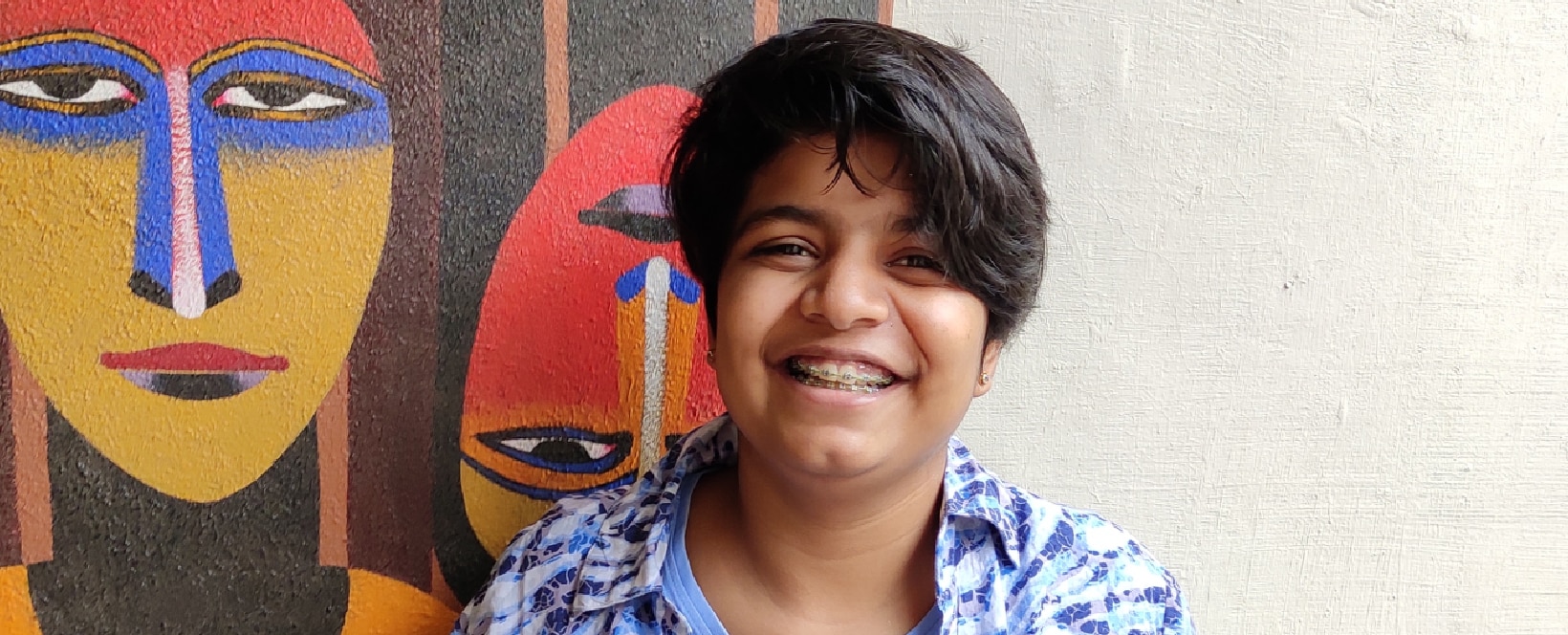
Shreyasi Patil (they/she), a 3rd year SIAS student at Krea, worked with the Skill Development Office of Chikkamagaluru and Srinidhi Gurunath, MGN Fellow, to conduct a soft skills and design thinking workshop for final year degree students about tackling problems of rural Malnad area.

The one-day interactive design thinking workshop was conducted at GFGC Kalasa, with the final year BCom and BA students aiming to promote soft skills and entrepreneurial values among them.

“The Design Thinking workshop was used to identify problems specific to the Malnad region and why entrepreneurship isn’t developing in the area. Especially in  Chikkamagaluru, which is well known but mostly for tourism.”

Emphasising on what contributed to a seamless building of the workshop, Shreyasi added, “ At Krea, we have a course in the 1st year on Design Thinking and in the 2nd year we have a course named Creative Economy where we build our own company and pitch in front of real life Venture Capitalists at the end of three months. Along with these I have also been part of the TiE – Young Entrepreneurs Chapter where we represented India and won the second position. All these factors together helped me plan the one day workshop.”

Kalasa is a taluk, located deep within Chikkamagaluru. “We had no clue how remote Kalasa was. A couple of government buses ply in this region and some students have to walk 6-7 kilometers each day to reach their schools. The heavy monsoons also create havoc and the students and teachers usually aren’t able to make it to the institutes in such conditions. Added to it the weak internet connectivity, the education of most students at Kalasa are hindered.”

The workshop revolved around combating these issues that the students faced in their everyday lives. They worked through the process of identifying problems, empathising, building solutions and testing the solutions – a reality check on how viable it would be if one were to implement the same.

There were around eight problems which were identified and solutions proposed. The students wrapped up the workshop with solutions like setting up a customer service team which would work as a liaison between rural places in Malnad and the telecom companies. Another suggested a bus for the safety of girl students, as many of them dropped out of school and colleges and got married early because of the lack of efficient transport systems.

Shreyasi has been training and teaching students from a very young age. Yet, teaching and training peers and young adults of their own age was led by their experience at Krea.

 “I was comfortable training younger students, but at Krea, the student experience facilitated by being an extracurricular representative had an impact. I have been able to take up the challenges of teaching people my age. Now I know the vocabulary for it, having the right language and presentation is important. Two years of college at Krea have done to me what years of training by myself couldn’t. College has given me the language to present what I really believe in.”

Shreyasi also trains school students in gender studies through the medium of theatre. On completion of their under graduation, they plan to travel across India and teach gender studies to students across demographics, using theatre. Shreyasi hopes to pursue their future goals in the intersection of art, education and entrepreneurship.

Note From the Vice Chancellor (Thursday, 13th January 2022)

Note From the Vice Chancellor (Thursday, 13th January 2022)


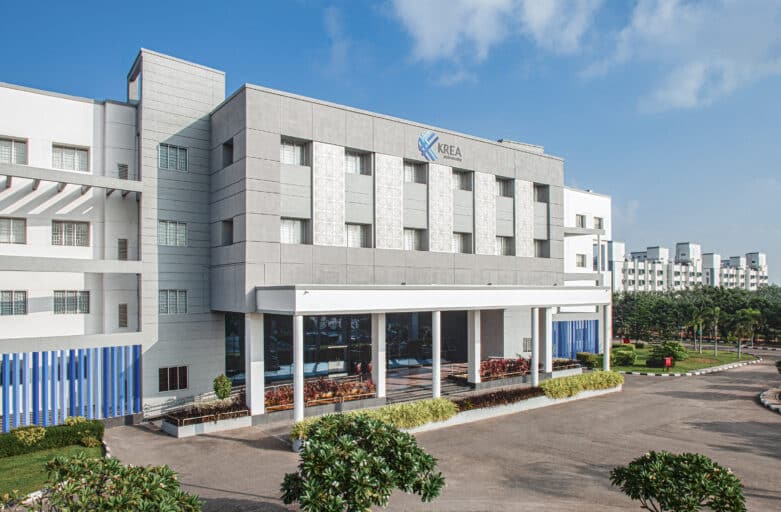
After serious and careful consideration of the impact of the Covid-19 pandemic on the Krea University campus residents, it was decided on Wednesday 12th January 2022 to strongly advise students to make preparations to exit the campus. 


All classes were suspended from 12th to 17th January inclusive and the University will facilitate travel arrangements for students. 

Please note that students have been brought back in batches since late August 2021. All those on campus including students, faculty, staff and families were tested recently and any one found positive was placed in quarantine. The same applied to Faculty and families in Sri City who do not live on campus. All precautions as per standard norms have been followed. Please note all, repeat all, on campus are double vaccinated and also that Covid protocols prevail as per norms.


The decision to advise departure follows assessment of an emerging situation. We will continue to review developments and hope students and Faculty can all return to a fully active and functioning campus in safe, healthy and stable conditions. This difficult decision was taken in the interests of the health and safety of all.

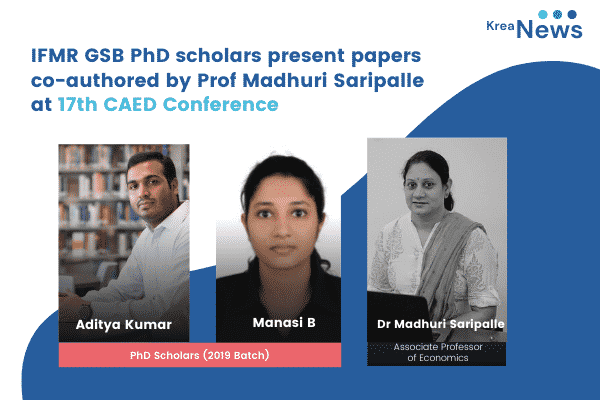
IFMR GSB PhD scholars present papers co-authored by Prof Madhuri Saripalle at 17th CAED Conference

IFMR GSB PhD scholars present papers co-authored by Prof Madhuri Saripalle at 17th CAED Conference

We are delighted to share that Aditya Kumar and Manasi B – two PhD Scholars at IFMR GSB (Batch of 2019) – presented their individual papers at the recently concluded 17th Comparative Analysis of Enterprise Data (CAED) Conference organized by the Faculty of Economics – University of Coimbra, Portugal. 

Aditya’s paper was on “Determinants of Export Intensity in the Indian Food Industry”, and Manasi’s paper delved into the “Growth of the Indian Pharmaceutical Firms: An Empirical Analysis”. Both the papers were co-authored by Prof Madhuri Saripalle (Associate Professor at IFMR GSB). Congratulations to them!

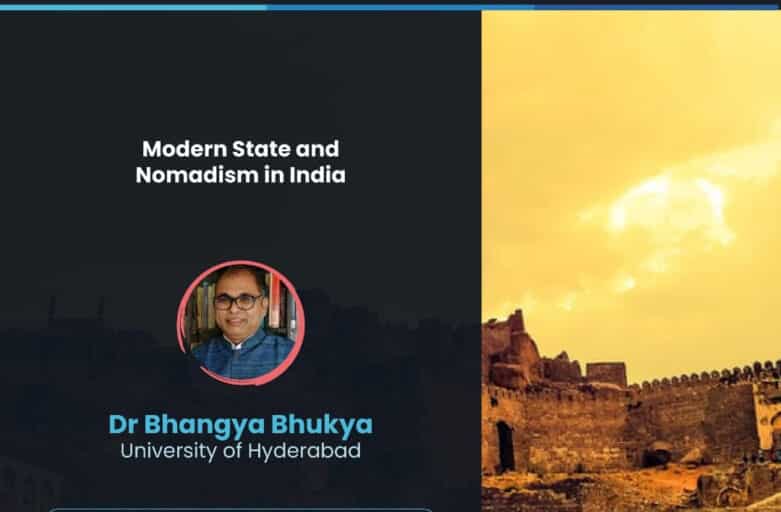
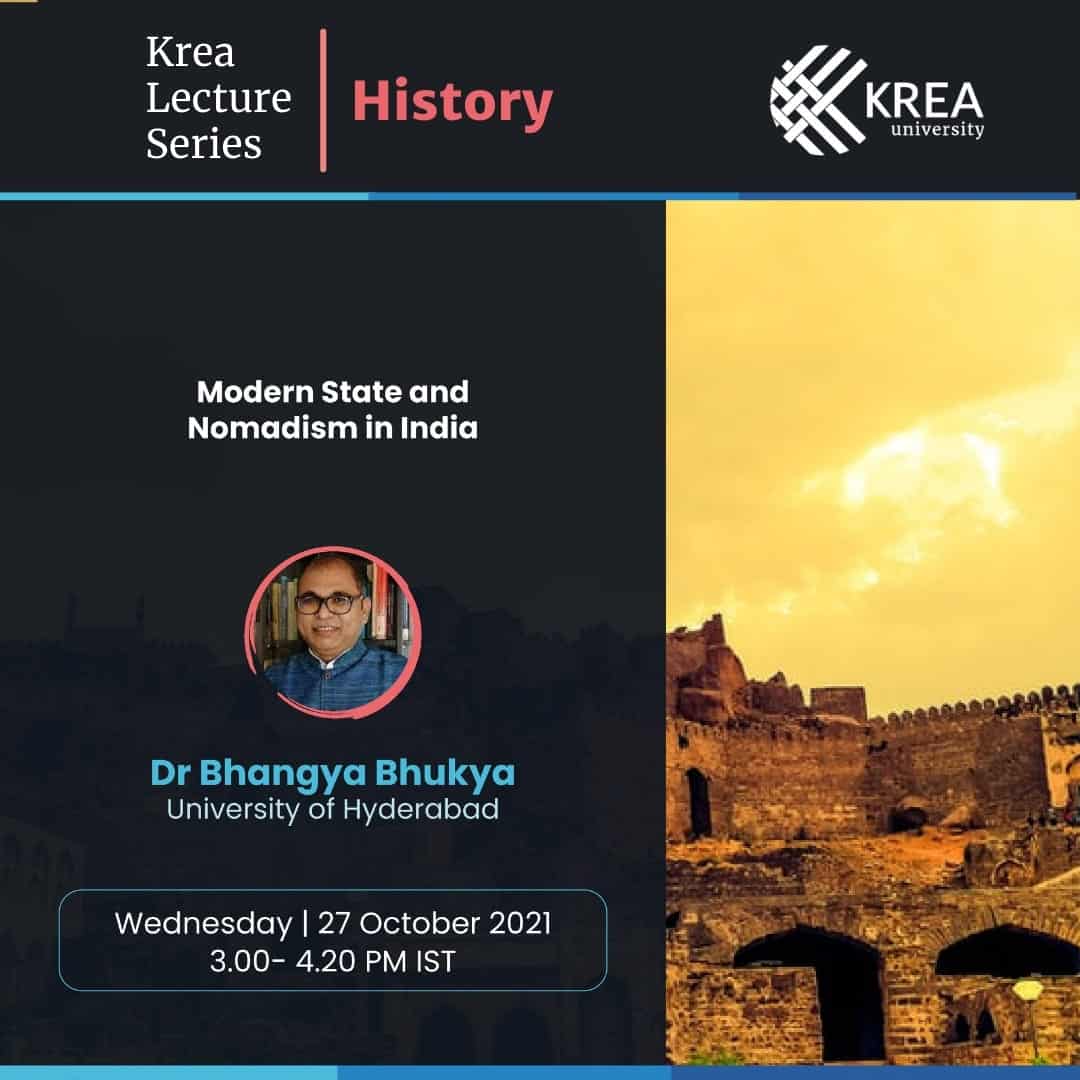
‘Krea Lecture Series: History’ with Dr Bhangya Bhukya | 27 Oct, 3 PM IST

‘Krea Lecture Series: History’ with Dr Bhangya Bhukya | 27 Oct, 3 PM IST

Nomadism is seen as a serious challenge by the Modern state, and a range of mechanisms are put in place to sedentarise them in history. In this insightful lecture, learn how the nomadic communities had been subjugated in colonial South India, with a special focus on the Lambada community.

Join Dr Bhangya Bhukya as he explores various case studies and examines how the colonial stigmas still matter to the nomadic communities in India.  

This lecture is open to all. Attend the session via https://krea-edu-in.zoom.us/j/97058919531?pwd=a01tU3RqMm9tVk1NRXZyRll5U1R0dz09

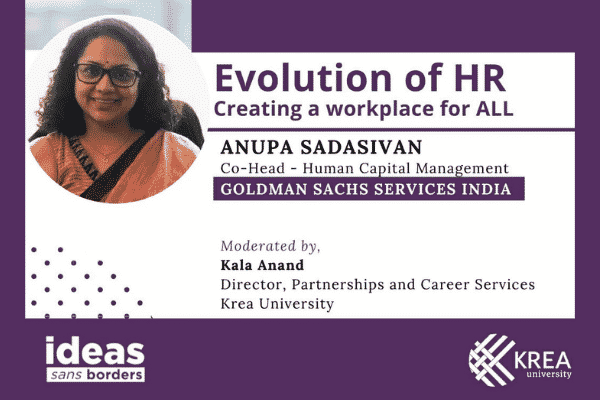
Evolution of HR: Creating a workplace for ALL

Evolution of HR: Creating a workplace for ALL

The human resource management profession continues to evolve and it has never been more crucial than it is now. What used to be viewed as a routine function within an organisation is now one of the most dynamic places to work, with its renewed focus on employee experience and the future of work. In this interactive session with Anupa Sadasivan (Co-head – Human Capital Management, Goldman Sachs Services India), learn more about how diversity plays an important role in organisations; how HR leaders are re-calibrating the hiring process; and the impact that organisations like Goldman Sachs create as they uphold their organisational values.

Click here to join: https://krea-edu-in.zoom.us/j/96844078322

SIAS Orientation Inauguration Ceremony | Monday, 9 Aug 2021

SIAS Orientation Inauguration Ceremony | Monday, 9 Aug 2021

We are pleased to invite you to the Inauguration Ceremony of the orientation programme for the class of ’24, School of Interwoven Arts and Sciences (SIAS) on Monday, 9 August 2021 from 5:30PM to 6:30PM IST.

Keynote address by Chief Guest – Dr Tara Thiagarajan (Neuroscientist | Founder of Sapien Labs | Chairman and Managing Director – Madura)

Welcome address by Dr Mahesh Rangarajan (Vice-Chancellor, Krea University)

Special welcome by Dr Shobha Das (Dean, IFMR Graduate School of Business)

Special welcome by Dr Akhila Ramnarayan (Divisional Chair, SIAS)

Zoom Webinar ID: 940 7144 2584 | Passcode: 123456

Meeting link: https://krea-edu-in.zoom.us/j/94071442584?pwd=TlMwODlWbGZCM1lGZTFvcVUvdlN3Zz09

‘AIMA India Case Research Centre’ publishes marketing management case study by IFMR GSB professor in their latest issue

‘AIMA India Case Research Centre’ publishes marketing management case study by IFMR GSB professor in their latest issue

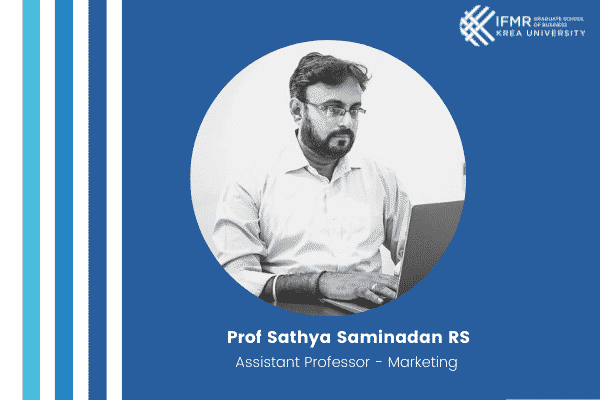
The AIMA India Case Research Centre, a well-known portal focusing on developing and publishing industry based India-focused research cases, has published a marketing management case study by Prof Sathya Saminadan, Assistant Professor at IFMR GSB – Krea University. The case study titled ‘Sustaining the Market Share Against the Branded Firms in an Unorganized Sector’, explores several unorthodox marketing and relationship strategies used by an entrepreneur against branded firms. The case study also highlights the realities of the market, a perspective that would serve well for management students. 

Read the case study here: https://www.caseresearchaima.in/frontend/product_display/390

New-age marketing case study co-authored by IFMR GSB professor to be presented at NACRA 2021 Conference

New-age marketing case study co-authored by IFMR GSB professor to be presented at NACRA 2021 Conference

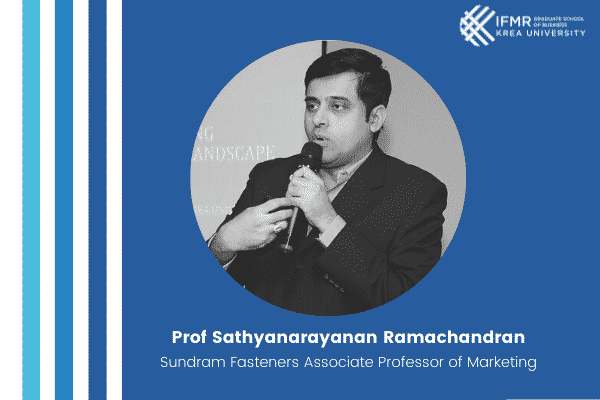
Prof Sathyanarayanan Ramachandran, Sundram Fasteners Associate Professor of Marketing at IFMR GSB – Krea University, has co-authored a case study about the marketing of the book series “Incredible Champions” written by Dr N Chandrasekaran. The case study has been accepted for presentation at the North American Case Research Association 2021 (NACRA 2021) Conference to be held in October this year. As the lead author of the case study, Prof Sathyanarayanan shall be presenting it at the conference.