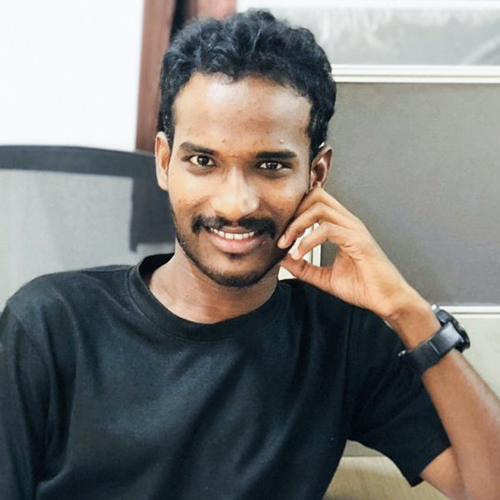
A research paper by Jyothis Franklin and Dr Jayasankar Ramanathan published in the Indian Journal of Marketing

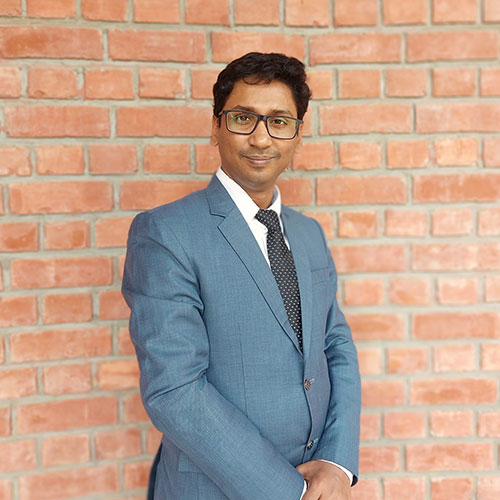
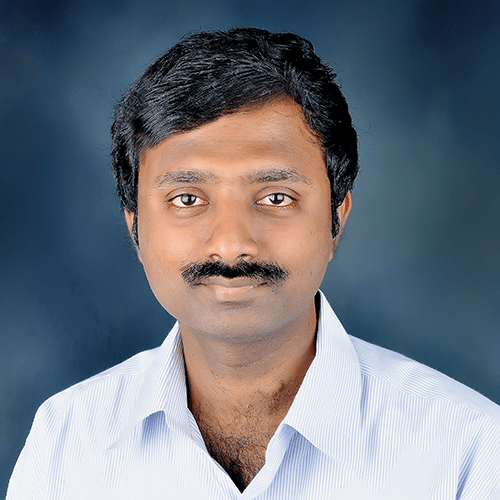
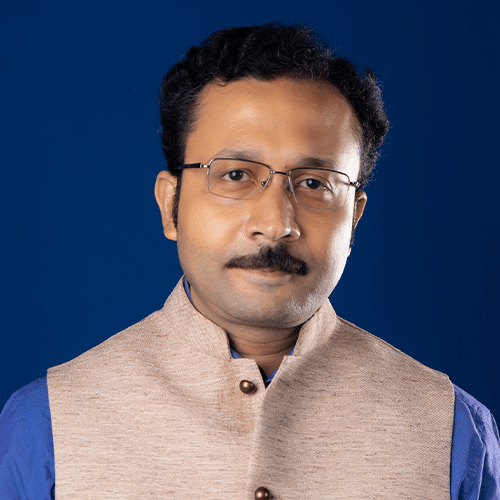
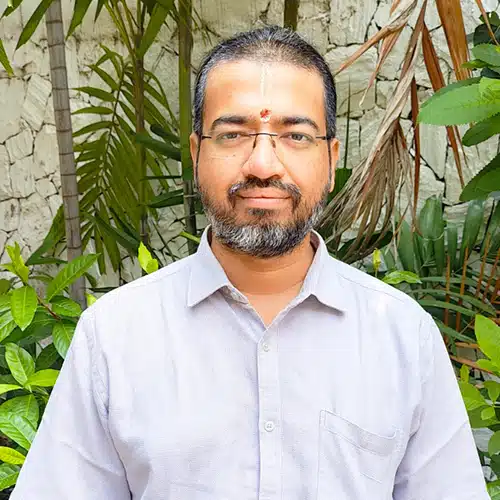
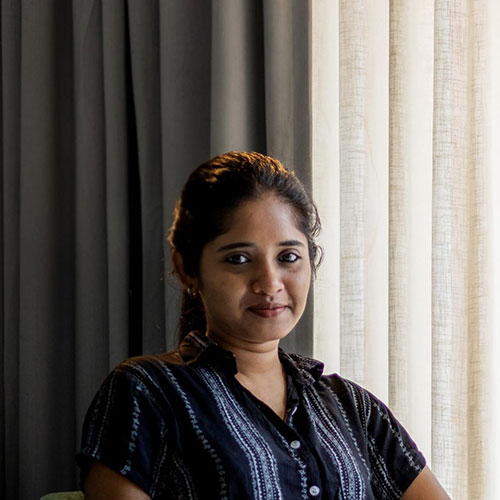
A research paper by Jyothis Franklin, PhD scholar and Dr Jayasankar Ramanathan, Associate Professor, Marketing, IFMR GSB titled Understanding the Literature on Advertising Ethics Using Morphological Analysis, has been published in the Indian Journal of Marketing.

Abstract of the Paper

Purpose : This study reviews the literature on advertising ethics and identified research gaps to provide scope for future work.

Design/Methodology/Approach : The relevant literature was identified through a search of Scopus and Web of Science. The final sample of 174 articles was carefully read to determine dimensions and variants, which were used in morphological analysis to construct a cross-consistency matrix and obtain a comprehensive understanding of the domain of advertising ethics. The cross-consistency matrix was used to identify explored and unexplored areas of study.

Findings : A comprehensive morphological analysis framework, encompassing six dimensions and 27 variants of advertising ethics research was constructed, leading to the identification of 87 research gaps.
Practical Implications : Managers can use the MA framework as a guide for understanding advertising ethics and acting accordingly. Researchers can utilise the framework and the identified research gaps to extend the literature.

Originality/Value : This study is the first in the advertising ethics literature to construct a morphological analysis framework. A comprehensive literature search was undertaken by searching both Scopus and Web of Science databases.


Read more

Two research papers co-authored by MBA student Prerona Jana published in reputed journals

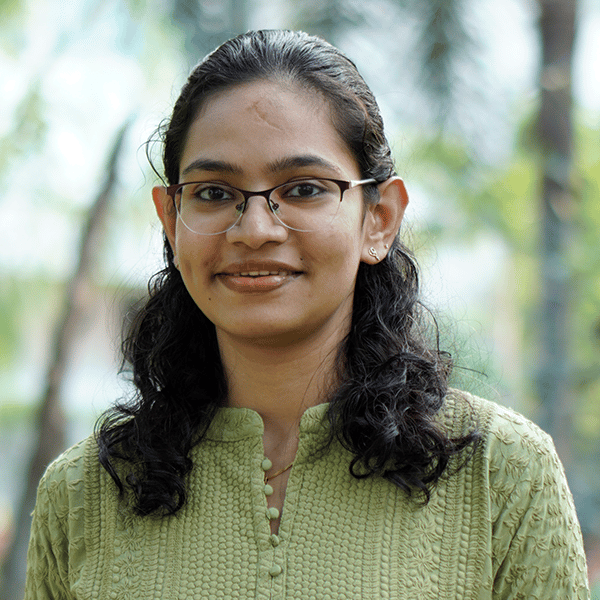
Two research papers co-authored by Prerona Jana, MBA Cohort of 2024 – 2026, IFMR GSB, have been published. Subtractive proteomics unravel the potency of D-alanine-D-alanine ligase as the drug target for Burkholderia pseudomallei in International Journal of Biological Macromolecules. Two Birds with One Stone: Targeting Wild Type and Drug Resistant Mutant ALK using Brute Force Screening, MD Simulation and NCI in IEEE. These works were initiated during her undergraduate programme in Biotechnology. She’s currently pursuing her master’s at IFMR GSB.

Article 1
Article 2

Meet the new IFMR GSB MBA Junior Student Council (2025 – 26) 

We are delighted to announce the appointment of Kratik Jain, Vikramman NA, Samiksha Rajan Naik, Adwaith R K Nair, and Charulatha V as the new IFMR GSB MBA Junior Student Council (2025 – 26).

The Student Council serves as a vital link between the student body and faculty, fostering collaboration, leadership, and student engagement across academic and co-curricular activities.

Kratik Jain, as Vice President, aspires to be a bridge between students and the administration. “My goal is to create an open, supportive environment where every student feels heard and valued,” expressed Kratik.

Vikramman NA, as Vice Chief Election Officer, envisions elections to be about equality and respect, not rules and deadlines. “I will ensure every candidate gets the same chance, free from bias or favouritism, and every student feels their voice truly matters,” assured Vikramman.

Samiksha Rajan Naik, as Vice Treasurer, will ensure every rupee is used wisely and transparently. “My goal is to support our clubs and committees so that students can focus on creating experiences, while trusting that the finances are in safe hands,” asserted Samiksha.

Adwaith R K Nair, as Vice Male Campus Life Secretary, shared, “I want to ensure that your student experience is as memorable and enriching outside of the classroom as it is within it.”

Charulatha V, as Vice Female Campus Life Secretary, aims to help build a campus where every student feels safe, included, and celebrated. “I look forward to creating a supportive environment where we can all grow, connect, and make our time here truly memorable,” said Charulatha.

Aditya Patni, Chief Election Officer & Senior Student Council, wished the newly elected team. “As seniors, it is our privilege to welcome them into this journey of leadership and responsibility. We will mentor and guide our juniors, sharing our experiences and learnings. With time, they will step into our shoes and lead the council with the same spirit. We believe they will uphold the values of commitment, teamwork, and service. We wish the Junior Council all the very best in their new role. May they shine today, and tomorrow, as the future Senior Council of our institution.”
We look forward to the contributions of the new Junior Student Council and the continued collaboration within the Krea community in the pursuit of excellence.

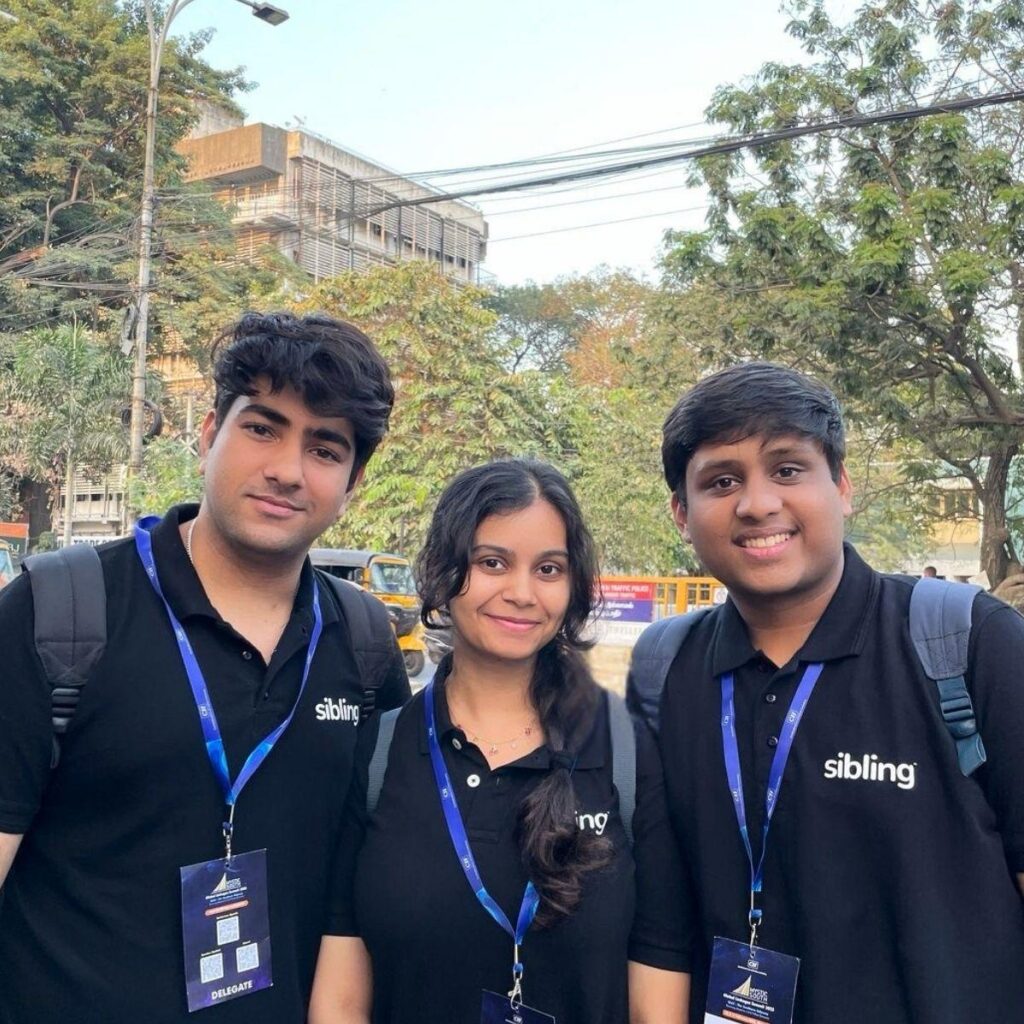
Sibling, co-founded by Mitansh Aggarwal, Adwitiya Roy Viney Jain, selected for Catalyst AIC (Supported by AIM, NITI Aayog)’s Startup School Innovation Challenge 2025

Sibling, co-founded by three kreators – Mitansh Aggarwal, Adwitiya Roy Viney Jain, was selected for Catalyst AIC (Supported by AIM, NITI Aayog)’s Startup School Innovation Challenge 2025. Sibling will be part of an intensive three-month incubation program designed for early-stage ventures with scalable ideas.

Program: 3-month incubation program (7th edition) run by Catalyst AIC under NITI Aayog’s Atal Innovation Mission.

Focus: Sector-agnostic, designed for early-stage ventures with scalable ideas or prototypes.

Structure: Expert-led sessions, mentorship office hours, and monthly milestone check-ins.

Outcome: Culminates in a Demo Day (Nov 2025) with 8 – 10 angel investors; opportunity for ₹5 lakh Startup India seed grants and access to Catalyst AIC’s equity fund.

Significance: Prestigious national-level incubation program providing visibility, mentorship, and funding opportunities.

About the start-up: Sibling is a digital mental health platform transforming how schools deliver student wellbeing. While many schools have counselors and resources, these services are often underutilised due to poor access, low visibility, and fragmented processes. Sibling bridges this gap through three integrated features: a Resource Hub offering curated content and interactive tools to build awareness; Near Peer Mentorship connecting students with trained college mentors for relatable support; and ReachOut, a confidential booking system that links students directly to school counselors with encrypted communication and case history tracking. By unifying education, mentorship, and professional care, Sibling makes mental health support accessible, stigma-free, and effective within schools.

Know more

Dr Debankur Saha publishes in Current Issues in Tourism Journal

Dr Debankur Saha, Assistant Professor, Marketing, Area Chair – Marketing, IFMR GSB has recently published a paper titled The Call of the Wild: What Draws Birdwatching Tourists to Eco-Avitourism? (co-authored with Prof. Anirban Chakraborty, IIM Lucknow), in Current Issues in Tourism (ABDC–A / Scopus–Q1, Impact factor – 4.6, Cite Score – 15.5).

The study explores the motivations and behaviours of birdwatching tourists within the ecotourism framework, offering insights that can guide policymakers and planners in designing conservation-focused, responsible tourism experiences.

Read more

​Dr Praveen Bhagawan presents multiple papers

Dr Praveen Bhagawan, Associate Professor, Finance, Accounting and Quantitative Finance​, IFMR GSB presented multiple papers in various institutions at Hyderabad.

Dr Bhagawan presented one of his papers (co-authored with my faculty colleague Jyoti Prasad Mukhopadhyay and Navya J Muricken, a faculty member at ICFAI Business School, Bangalore) titled ‘Does Female Presence on Corporate Boards matter for Firm`s Cost of Equity? Evidence from Indian Firms’ at NALSAR University of Law, Hyderabad.

He also presented another of his papers (co-authored with my Dr Jyoti Prasad Mukhopadhyay, Associate Professor, Economics, IFMR GSB and Soumyabrata Basu, PhD scholar, IFMR GSB) titled ‘Creditor Rights and Firm`s Cost of Debt: Empirical Evidence from Indian Firms’ at BITS Pilani, Hyderabad Campus.

The third paper presented by him ( co-authored with my Dr Jyoti Prasad Mukhopadhyay, Associate Professor, Economics, IFMR GSB and Soumyabrata Basu, PhD scholar, IFMR GSB ) titled ‘Creditor Rights and Tax Avoidance: Empirical Evidence from Quasi-natural Experiment in India’ was at University of Hyderabad.

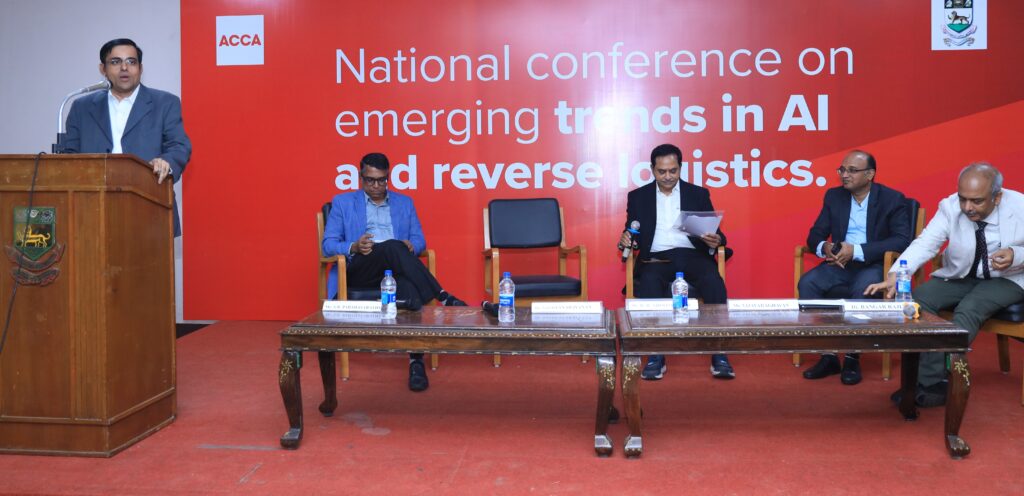
​Sathyanarayanan Ramachandran an expert speaker at National Conference on emerging trends in AI and reverse logistics

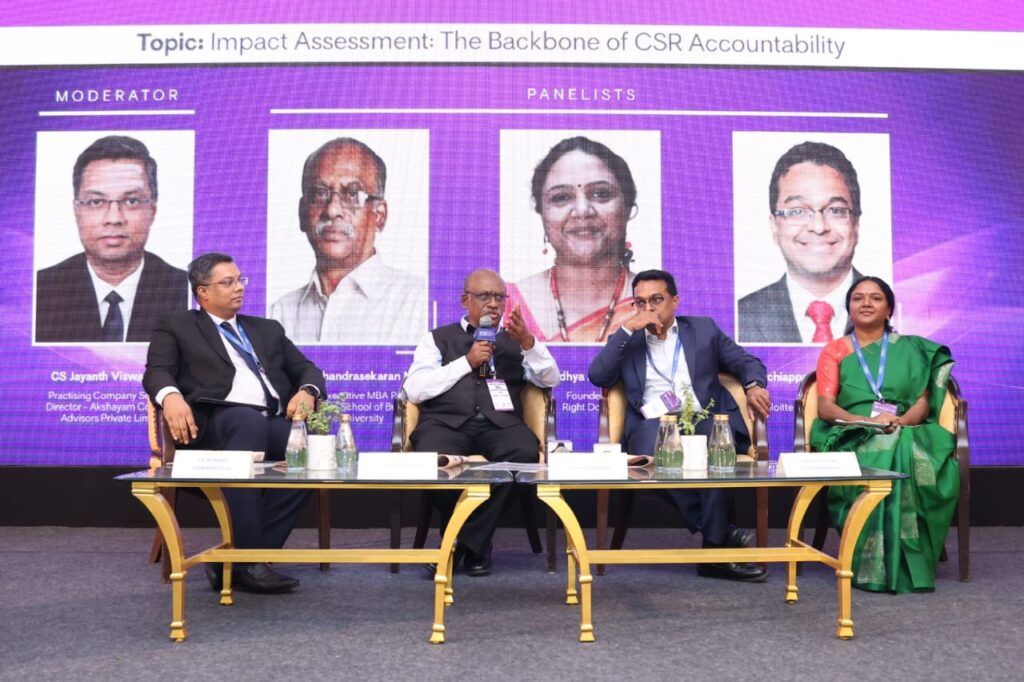
​Sathyanarayanan Ramachandran, Sundram Fasteners Associate Professor, Marketing, IFMR ​G​SB, was invited as an expert speaker to address the National Conference on emerging trends in AI and reverse logistics organised by the University of Madras in collaboration with the Association of Chartered Certified Accountants (ACCA) on ​5 August​, 2025.

​Sathyanarayanan Ramachandran shared his practical insights on the marketing and sustainability perspective, the short and long-term impact of reverse logistics management on net promoter score and customer lifetime value and the artificial intelligence trends in the industry with several success case studies from Amazon, H&M and Apple during the panel discussion on reverse logistics. The session was well received with several sets of questions and requests for elaboration.

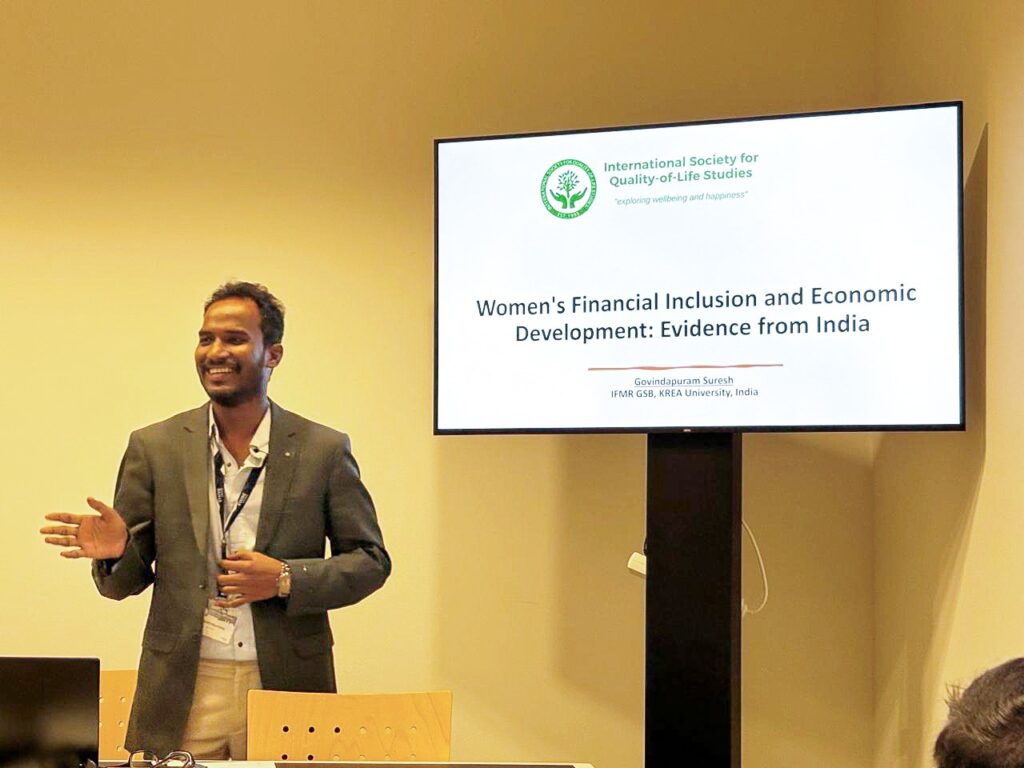
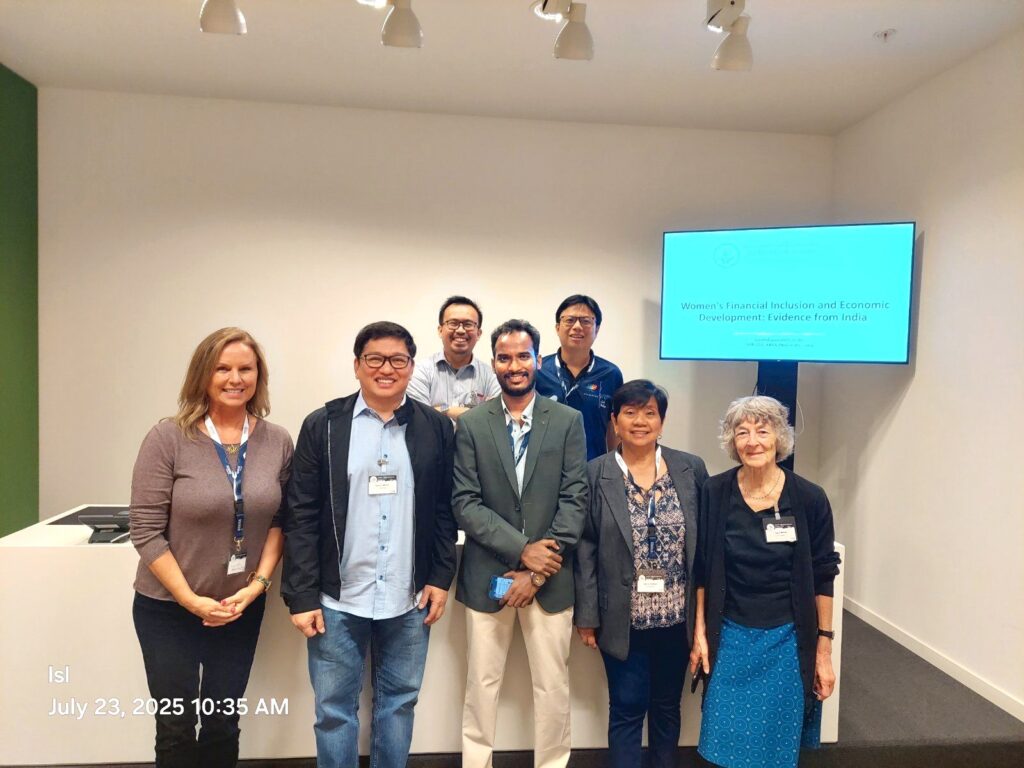
Dr Suresh Govindapuram presents at 23rd Annual Conference and 30th Anniversary of the International Society for Quality-of-Life Studies

Dr Suresh Govindapuram, Assistant Professor of Economics, IFMR GSB presented a paper on Women’s Financial Inclusion and Economic Development: Evidence from India at the 23rd Annual Conference and 30th Anniversary of the International Society for Quality-of-Life Studies from 22-25 July 2025 at Luxembourg.

Read more

​A paper co-authored by Dr Suresh Govindapuram published in the Energy Nexus journal.

A paper co-authored by Dr Suresh Govindapuram, Assistant Professor of Economics, IFMR GSB titled Assessing Energy Efficiency of Indian Chemical Industry: Examine the Role of Innovation and Regional Heterogeneity has been published in the Energy Nexus journal.

This study aims to measure energy efficiency levels and the impact of technological innovation and regional heterogeneity on energy efficiency. Hence, the team uses Indian chemical industry data covering 85 firms from 2003-04 to 2018-19. First, they employ the stochastic frontier analysis (SFA) to measure total factor energy efficiency (TFEE). Second, they use truncated regression to assess the effect of innovation and other factors. Their time-varying TFEE has a mean level of 0.84. Most firms can improve their energy efficiency by 15%. Hence, a substantial energy-saving opportunity exists in the case of the chemical industry in India. The second-stage results suggest that firms’ innovative capability accumulates over time, enabling them to achieve higher energy efficiency. Additionally, older firms perform better than younger ones in terms of TFEE. However, having facilities at different locations reduces energy efficiency, while the number of products produced does not significantly impact energy efficiency. The study emphasises the need to consider regional heterogeneity and technological gaps when developing strategies to enhance energy efficiency at the firm level. The findings have significant implications for regulating the manufacturing sector, providing insights for policymakers and industry practitioners to design effective strategies to promote energy efficiency.

Read more