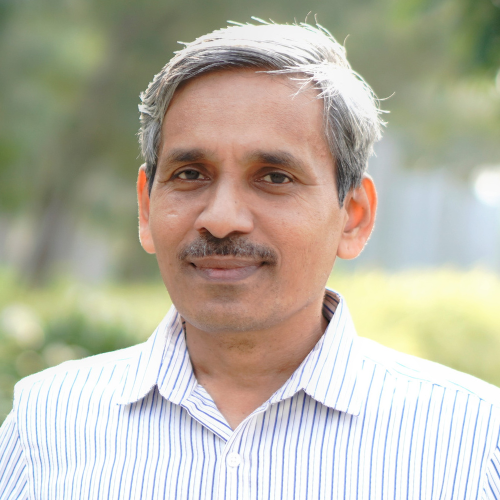
Professor S Sivakumar, Professor, Physics, SIAS and Dean – Research, Krea University has penned an article in The Hindu titled, Willow is a small chip for Google but a quantum leap for computing.
The article discusses Google’s latest quantum processor, Willow, its testing and results. It also deep dives into the power of quantum information processing and the hope that quantum computers may soon help us solve some of the biggest challenges in the world, all with deep societal impact.
Dr Rangachary Kommanduri, Visiting Professor of Data Science, SIAS presented a paper titled, ‘Enhanced Semantic-Driven Anomaly Detection: A Multi-Class Strategy for Video Data’ at the 9th International Conference on Computer Vision & Image Processing (CVIP 2024) held at IIITDM Kancheepuram from 19 – 21 December 2024.
The article is co-authored with Dr Mrinmoy Ghorai (Assistant Professor, Indian Institute of Information Technology, Sri City) and proposes the Squeeze-Attentive Encoder Network (SAE-Net), a novel architecture integrating semantic-driven analysis and channel wise feature recalibrated attention for precise multi-class anomaly detection in videos.
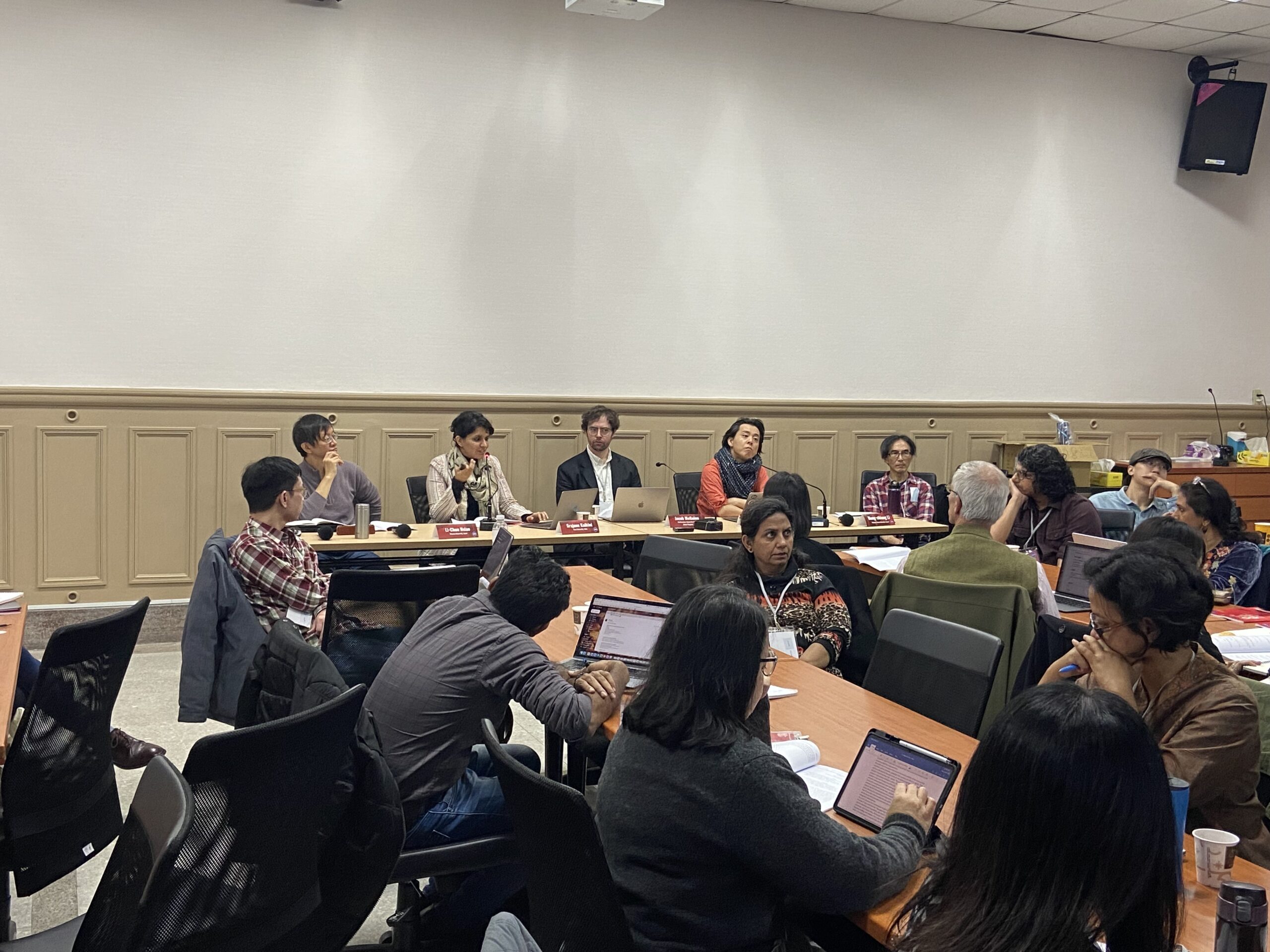
Dr Srajana Kaikini, Assistant Professor of Philosophy, SIAS was invited by Asia Theories Network (ATN) to present at their ‘2024 Critical Humanities Workshop on 6G: Genesis, Generativity, Gender, Genetics, Genealogy, Genocide’ held at National Taiwan University, Taipei. She presented her paper ‘Nature’s Face’ at this forum – the third articulation of her philosophical work on the face, as part of a panel on Images : [Un]natural and Supplementary. ATN is a global scholarly network functioning as a platform for exchanges and collaborations among humanities and interpretive social science scholars in Asia and other parts of the world.
Dr Suchika Chopra, Assistant Professor of Economics, SIAS presented her research paper, titled ‘Understanding the Gender Wealth Gap in Germany: Asset Value vs. Asset Ownership’ at the Winter School 2024, organised by the Delhi School of Economics, Delhi University on 11 December 2024.
Krea University’s academic contingent from SIAS delivered an outstanding performance at Biswamil 2024, an event hosted by OP Jindal College. The team showcased exceptional talent, teamwork and strategy, securing first place in every competition.
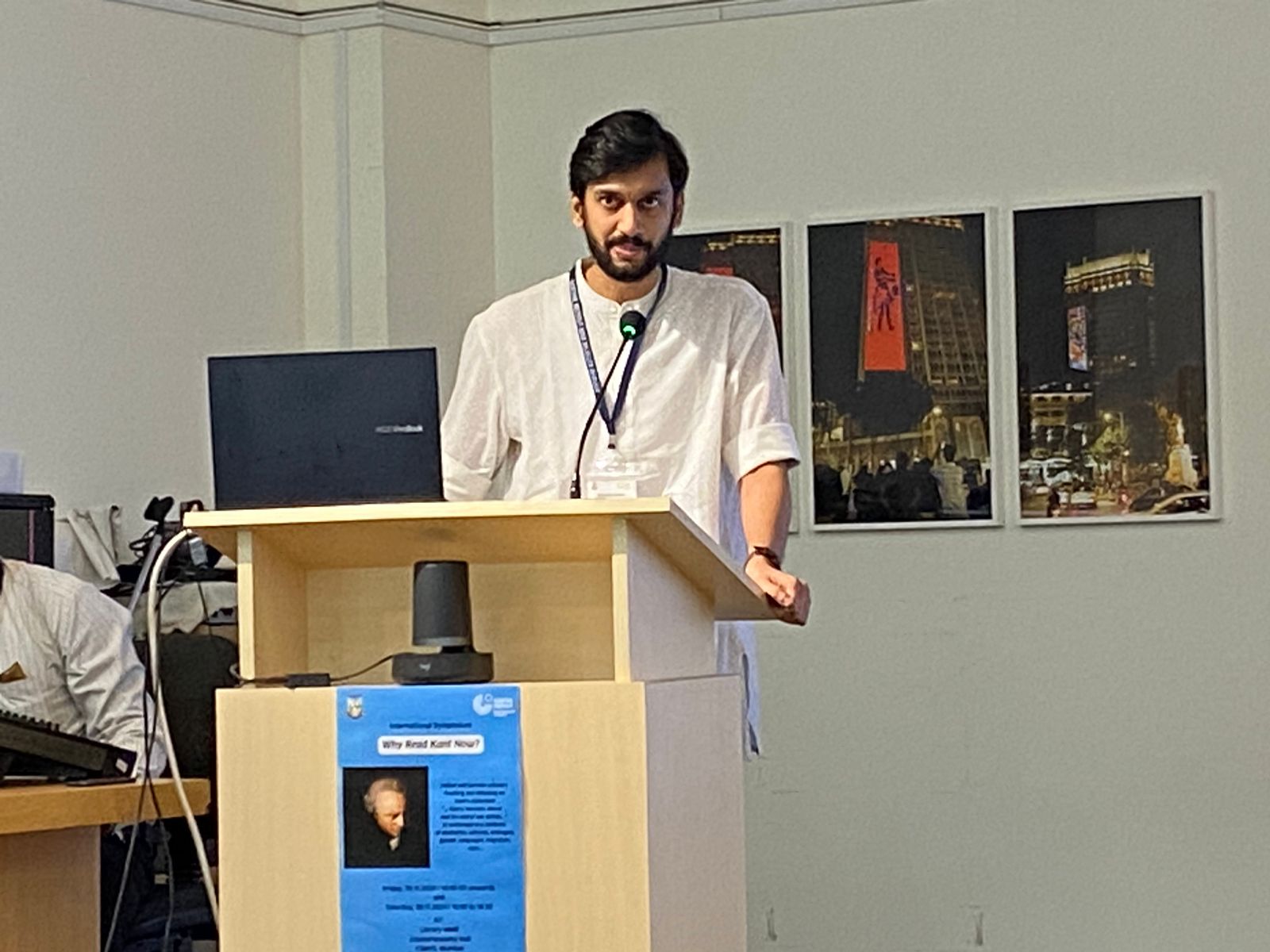
Dr Vivek Radhakrishnan, Assistant Professor of Philosophy, SIAS was invited to participate in a symposium on ‘Why Read Kant Now?’ organised by the Goethe-Institut Mumbai and the German Department of Mumbai University on 29 and 30 November, 2024. Dr Radhakrishnan gave a talk titled, ‘How ‘Humean’ was Kant?’ at the symposium. He also moderated the inaugural keynote by Professor Rajendra Dengle (Retired Professor of German, JNU) and the special lecture by Professor Heiner Klemme (Professor of Philosophy, Martin-Luther-Universität Halle).
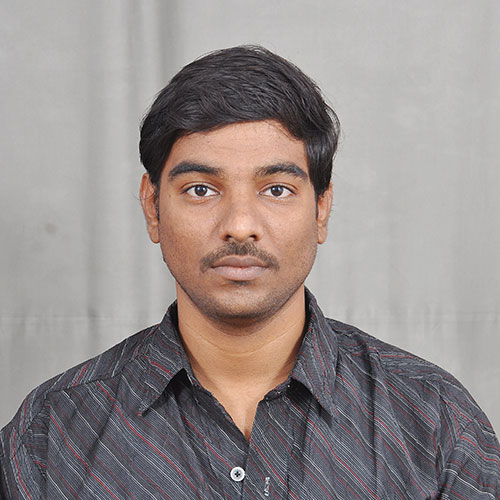
Dr Venkata Srinu Bhadram, Assistant Professor of Physics, SIAS was invited to give a talk at the International Conference on Advanced Ceramics for Sustainability (Cera4S-2024), held at IIT Madras from 28 – 30 November 2024. In his talk titled, ‘Extreme Pressure as a Route to Discover New Metastable Materials’, he discussed the pivotal role of high-pressure techniques in discovering new metastable phases of ceramic materials, such as transition metal nitrides, oxides and high-entropy complex oxides. He highlighted how combining high-pressure experimental methods with machine learning approaches has the potential to drive transformative advancements, offering sustainable solutions for materials-based technologies.
Professor Anil Srinivasan, Visiting Professor of Practice, Literature & the Arts, SIAS penned a piece for The New Indian Express (TNIE) titled, Till we respect the environment, December will be season of sorrow for Chennai. In this columnTNIE invites prominent citizens to pen their experiences and suggestions that can help mitigate the impact of rain. The article straddles experiences of environmental changes with an imperative need to respect the environment with absolute and unfettered dedication.
Dr Proma Raychaudhury, Assistant Professor of Politics, SIAS has published a peer-reviewed article titled, Gendering Loyalty in Indian Electoral Democracy: The Trinamool Congress and Its Construction of a Female Constituency in West Bengal in Economic and Political Weekly (Vol 59, Issue 48, pp.87-95) as part of a Special Issue on General Elections 2024.
Through a consistent surge in their salience and distinguished by their autonomy, female voters have become an indispensable constituency in Indian electoral democracy in recent decades. Through a constructivist approach to populist political representation, this paper studies the conceptual terrain of the relationship between voter loyalty and populist democracy in the context of female voting and partisan support in contemporary West Bengal. This paper explores how the leadership of the All India Trinamool Congress in the state constructed a “loyalist” constituency of female voters who are beneficiaries of state-sponsored welfare schemes while exercising the logic of “othering” to exclude female critics and dissidents of the regime from such a constituency. Through interviews with grassroots workers of the AITC, this paper also analyses the gendered expectations that underscore the populist constituency of the “loyal female voter” in West Bengal.
Dr Madhavilatha Maganti, Associate Professor of Psychology, SIAS and Dr Sayantan Mandal, Visiting Assistant Professor of Psychology, SIAS will be presenting research papers at SAFAL-2024, one of the more prestigious and competitive cognitive science and psycholinguistics conferences organised by the Association of Cognitive Science at IIT Bombay. Also presenting at the conference is second year SIAS student, Aarthi Venkatesh. Four papers from the Psychology research lab have been selected for this prestigious conference.
Dr Maganti, and Mandal recently presented their latest research findings on anti-local linear search-algorithms as neurocomputational models for vowel harmony in natural language at the 2024 WECOL conference in Fresno, California. A paper-length treatment of the same is to be published by WECOL in February, 2025.
Dr Maganti was also invited as a guest speaker by Allahabad University on 20 November, 2024 where she spoke on infant cognition.
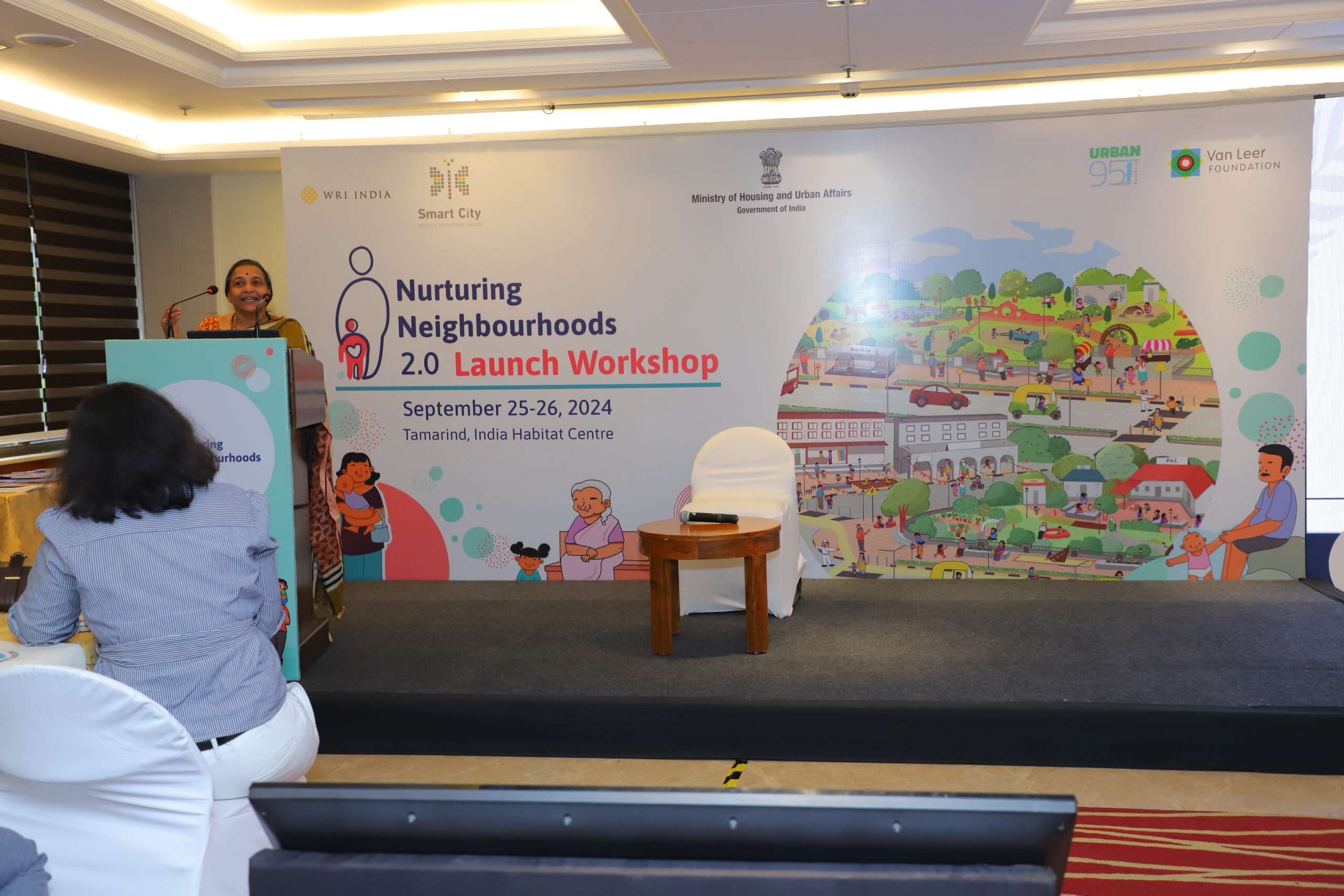
Dr Maganti also presented a talk on ‘Multi-vulnerability assessment of young children and caregivers in Indian cities’ on 25 September 2024 at the India Habitat Center, New Delhi, at the launch workshop of Nurturing Neighbourhoods 2.0 program conducted by the Van Leer Foundation and World Resources Institute. The Nurturing Neighbourhoods Challenge is an initiative aimed at piloting and scaling strategies to enhance urban living for infants, toddlers, and caregivers.
Dr Maganti at the launch of the workshop of Nurturing Neighbourhoods 2.0 program