Research Lab
Moturi Satyanarayana Centre for
Advanced Study in the Humanities
and Social Sciences

About the Research Centre

The Moturi Satyanarayana Centre for Advanced Study in the Humanities and Social Sciences is a Centre of excellence for advanced research across the humanities and social sciences through a range of interdisciplinary projects. It serves as a hub for independent and collaborative post-doctoral research and provides an environment that stimulates the spirit of active intellectual enquiry and ethical reflection through critical analysis and empirical studies. 

In line with Krea University’s research vision, the centre facilitates exchanges between interdisciplinary hubs focussed on the dominant questions that humanity must understand and address in this century. The Moturi Satyanarayana Centre aims to recognize the enduring value of explorations of the past and critical analysis of contemporary impetus for social change. 

The Centre commemorates the life and legacy of Padma Bhushan awardee Moturi Satyanarayana, a veteran freedom fighter, educationist, social worker, Member of Constituent Assembly, Member of Provisional Parliament, and twice-nominated Member of Rajya Sabha. The Centre is supported by the Padma Bhushan Moturi Satyanarayana Endowment set up by his daughter, Sujata Kumar and son-in-law Tatineni Prem Kumar.

Currently, scholarships and honoraria have been established for post-doctoral research fellows. Scholars of eminence are invited to pursue research, reflection, and writing in areas and themes of their choice. The scholars who successfully complete their studies will be known as Moturi Satyanarayana Scholars.

Through continuous exchange, the Centre contributes towards and engage with the vibrant intellectual culture of Krea university. Besides using the traditional modes such as seminars, workshops, publications, interdisciplinary dialogues, The Moturi Satyanarayana Centre embraces digital methods for reaching out not only to the community at Krea but also to the world outside.

The Centre is headed by a Director responsible for interpreting and translating its vision.
Meet our team

Director

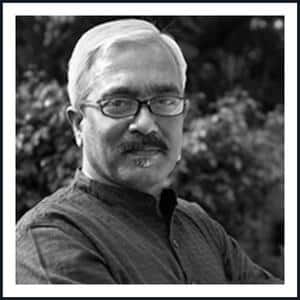
Professor Bishnu Mohapatra

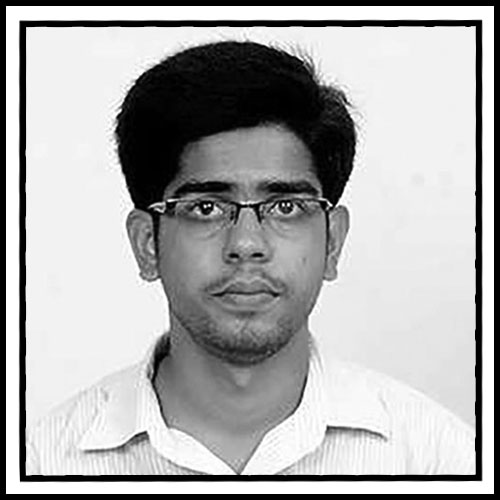
POST-DOCTORAL FELLOW

Dr Mohammed Sajjad Hussain

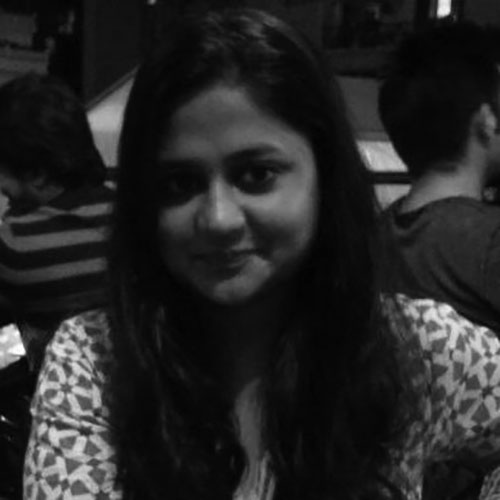
POST-DOCTORAL FELLOW

Dr Salwa Yahya

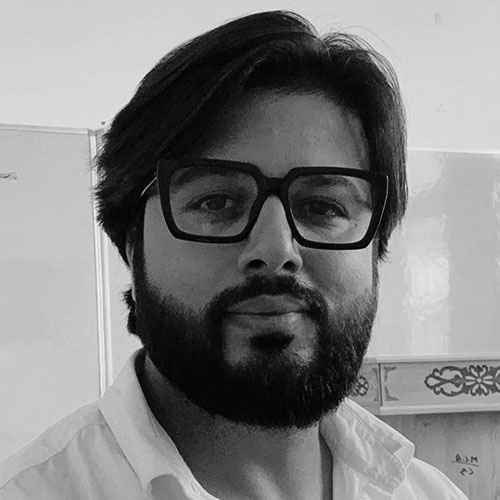
Post-Doctoral Fellow

Dr Aejaz Ahmad Wani

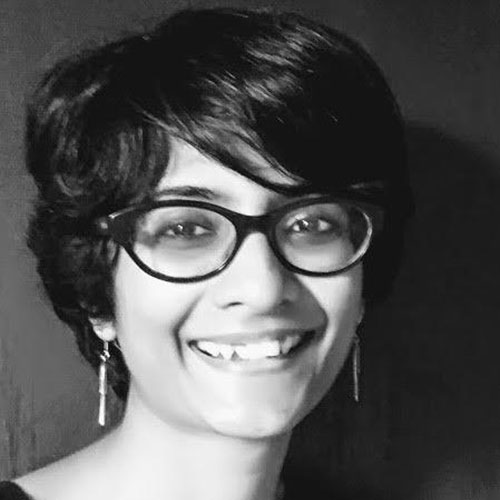
Post-Doctoral Fellow

Dr Saumyashree Ghosh

Post-Doctoral Fellow

Dr Koyel Lahiri 

Post-Doctoral Fellow

Dr Meenu Deswal 

Director

Professor Bishnu Mohapatra

DPhil, Oxford University

Professor Bishnu N Mohapatra is a political scientist and poet, an educator and a commentator on society, governance, policy and culture. He is also a Professor of Politics at the School of Interwoven Arts and Sciences, Krea University. He had taught politics for more than twenty-five years at the University of Delhi, Jawaharlal Nehru University and Azim Premji University. Additionally, he has held visiting appointments at Maison des Sciences de l’Homme, Paris, the National University of Singapore, the University of Kyoto, Japan, and the National Institute of Advanced Studies, Bangalore. He has lectured at several universities in Asia, Africa, Europe and North America. From 2002 to 2010, he headed the governance portfolio of the Ford Foundation’s South Asia Office, New Delhi.

Professor Mohapatra has published in the areas of identity politics, democracy, minority rights, urban politics, civil society and social capital. He is currently researching cities and their multiple imaginings in history. He is also in the process of initiating a collective research project that seeks to understand the conceptual universe embedded in India’s Bhasa literature.

Beyond academia, Professor Mohapatra is also a well-known Indian poet. He has authored four books of poetry and has translated two volumes of Pablo Neruda’s poetry into Odia. A volume of his poetry in the English translation – A Fragile World – was published in 2005. He has a Master’s degree in Political Science from the University of Delhi, an MPhil in Politics from Jawaharlal Nehru University, and a DPhil in Politics from the University of Oxford.

POST-DOCTORAL FELLOW

Dr Mohammed Sajjad Hussain

Dr Mohammed Sajjad Hussain completed his PhD in Sociology at the Delhi School of Economics, University of Delhi, under the supervision of Professor Nandini Sundar. His doctoral research focused on the changing nature of work with the rise of labour platforms, specifically examining food delivery workers in Hyderabad. He is currently working on a project that investigates the implications of platformisation on work, with a focus on labour studies, platform studies, and economic sociology.
Dr Hussain is the recipient of the IJURR Writing Grant 2022 and attended the Oxford Internet Institute’s Summer Doctoral Programme in 2019 on a scholarship. His research has been published in the Journal of South Asian Development and The India Forum. Prior to his current role, Dr Hussain worked as an Academic Associate at the Indian Institute of Management-Bangalore and as a researcher at the Hyderabad Urban Lab. He holds an MA in Sociology from the University of Delhi and a BA from Osmania University, Hyderabad.

POST-DOCTORAL FELLOW

Dr Salwa Yahya

Dr Salwa Yahya holds a PhD in Political Science from Freie Universität, Berlin. She completed her BA in Political Science (Honours) at St. Xavier’s College, Kolkata, followed by an MA in Political Science from Jawaharlal Nehru University, New Delhi, and an M.Phil in Social Science from the Centre for Studies in Social Sciences, Kolkata. Her research interests include identity politics and civil society in India, political theory, and research methodology. In addition to her academic pursuits, Dr Yahya enjoys films, travelling, and music.

Post-Doctoral Fellow

Dr Aejaz Ahmad Wani

Dr Aejaz Ahmad Wani earned his PhD in Political Science from the University of Kashmir. He holds BA (Hons.) and MA in Political Science from University of Delhi. He is also a recipient of the ICSSR Post-Doctoral Fellowship (2022-24).

He studies superrich/economic elites through the frameworks of global ethics and political economy, and explores broader plutonomic and plutocratic challenges to national economies and constitutions. He is also interested in Comparative Political Theory, particularly in exploring theoretical pathways to deparochialising and de-locating the dominant-mainstream/anglophone/liberal/analytical political theory. He is currently working on a project that maps the directions that India’s democracy is taking in the age dominated by billionaires, focusing on ideological motifs and impact of “wealth porn” and superrich philanthropy, and the judicial adjudication on matters of plutocracy/plutonomy and wealth/income inequalities.

His first book, Deparochialising Global Justice: Global Poverty, Human Rights Cosmopolitanism and India’s Superrich, was published by Palgrave Macmillan (2024). His recent article (co-authored with Thomas Pogge) is  Parochialism, Plutocracy, Philanthropy and Global Justice: A Dialogue (Journal of Global Ethics, 2025). His other research articles are published in India Review, Economic and Political Weekly, Journal of Global Ethics, and Asian Affairs.

Post-Doctoral Fellow

Dr Saumyashree Ghosh

Dr Saumyashree Gosh is a historian of South Asia and the Indian Ocean world, specialising in law and political theory across the early modern and modern eras. Born and raised in India, she holds a PhD in History from Princeton University (2023) and has been a postdoctoral research fellow at Yale Law School. Her first monograph in progress draws upon her doctoral work on South India to rethink the relationship between state power and Muslim communities in South Asia. Besides this, a long-standing interest in law and economic history takes Dr Saumyashree to other projects, one on South Asia’s bazaar economy and another on slave trading vessels in the Indian Ocean.

Post-Doctoral Fellow

Dr Koyel Lahiri 

PhD, Centre for Studies in Social Sciences, Calcutta

Dr Koyel Lahiri earned a PhD from the Centre for Studies in Social Sciences, Calcutta, granted by Jadavpur University. Her doctoral research, supported by fellowships from the ICSSR and DAAD, looked at informal workers in India and their politics at two sites of work: the hawker in the city and industrial workers at factories.

Her current project seeks to bring together a long exploration of experiences of and aspirations from work, forms of organising by informal workers, and her original training in literature. It seeks to illuminate the connections between mind, self and world and its intersections with work, labour and workers’ movements. It explores what it means to (re) examine questions of work, labour and workers’ movements by centring the inner lives and inner selves of workers, focusing on lived experience and undoing the affect/intellect binary where it continues to persist, both in the doing of research and the writing of it. Seeking to argue that the world within makes the world without, the manuscript-in-progress asks, with great urgency, how this awareness can inject possibility into workers’ movements and the re- shaping of the world of work. It takes seriously the fact that the stories we tell ourselves about life and living-and the societies it is possible to create- form and affect knowledge systems and epistemological frameworks, and vice versa. It takes seriously the fact that the stories we tell ourselves about ourselves and the world tangibly and immediately shape possibilities.

Towards that end, she approaches this research as a writer deeply interested in the pedagogical role played by reading and writing in the formation of knowledge practices and systems that seem to offer the greatest hope for progressive change. She has thus continued to train as a writer and a facilitator of writing, and now also co-facilitates writing workshops.

Post-Doctoral Fellow

Dr Meenu Deswal 

PhD, University of Michigan, Ann Arbor

Dr Meenu Deswal is a historian of Modern South Asia. She holds a PhD in History from the University of Michigan – Ann Arbor, and an MA and MPhil from Jawaharlal Nehru University, Delhi. Her research broadly focuses on histories of social change, the law, and labor in rural communities in nineteenth and twentieth century North India. She is currently working on her first monograph which investigates connections between economic and ecological crises and the regulation of marriage in landless laboring communities in colonial Punjab.

Prior to joining the Moturi Satyanarayana Centre for Advanced Studies, she worked as an Editorial Assistant for the Comparative Studies in Society and History journal. Her research has been supported by the American Council of Learned Societies; the Race, Law and History Program, and the Eisenberg Institute of Historical Studies, University of Michigan

Director

Bishnu Mohapatra

DPhil, Oxford University

Post-Doctoral Fellow

Dr Karthick Narayanan

PhD, Jawaharlal Nehru University

Post-Doctoral Fellow

Dr Sayori Ghoshal

PhD, Columbia University

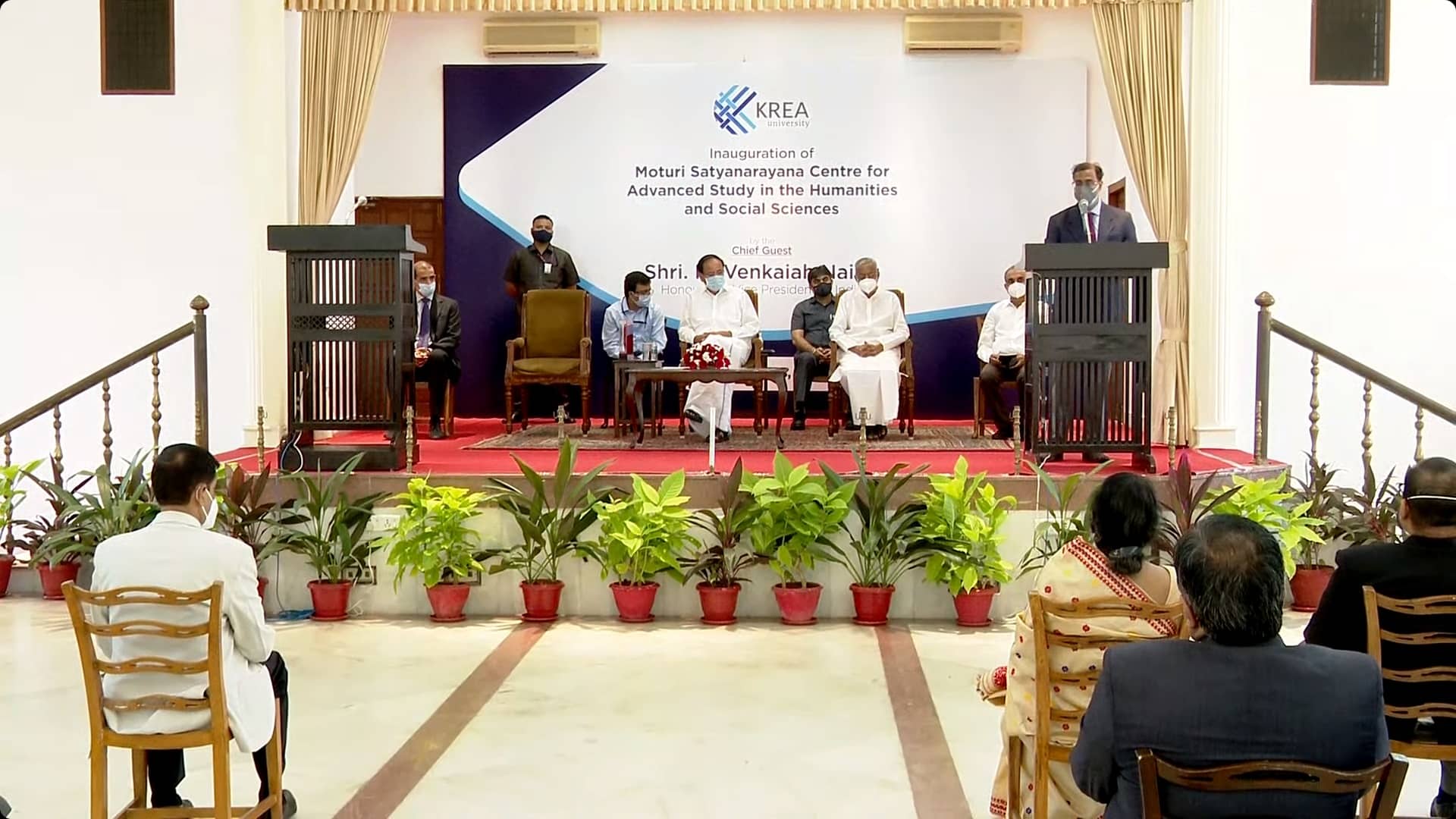
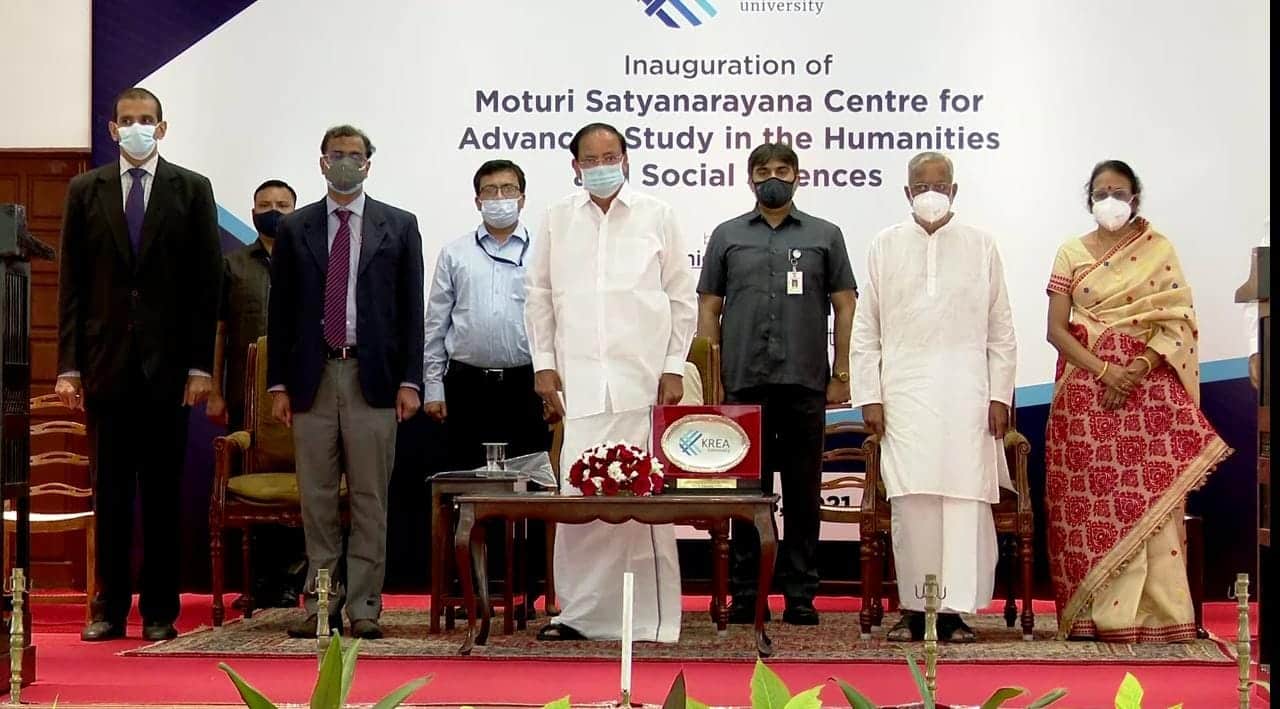
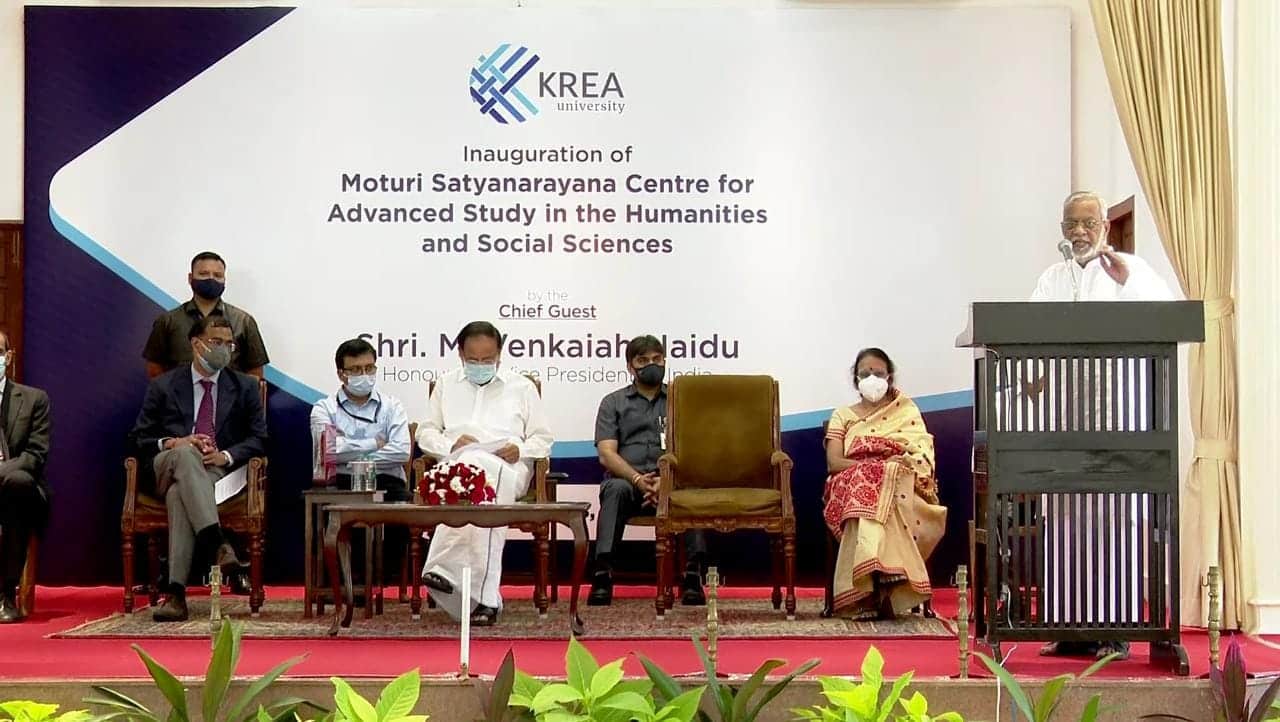
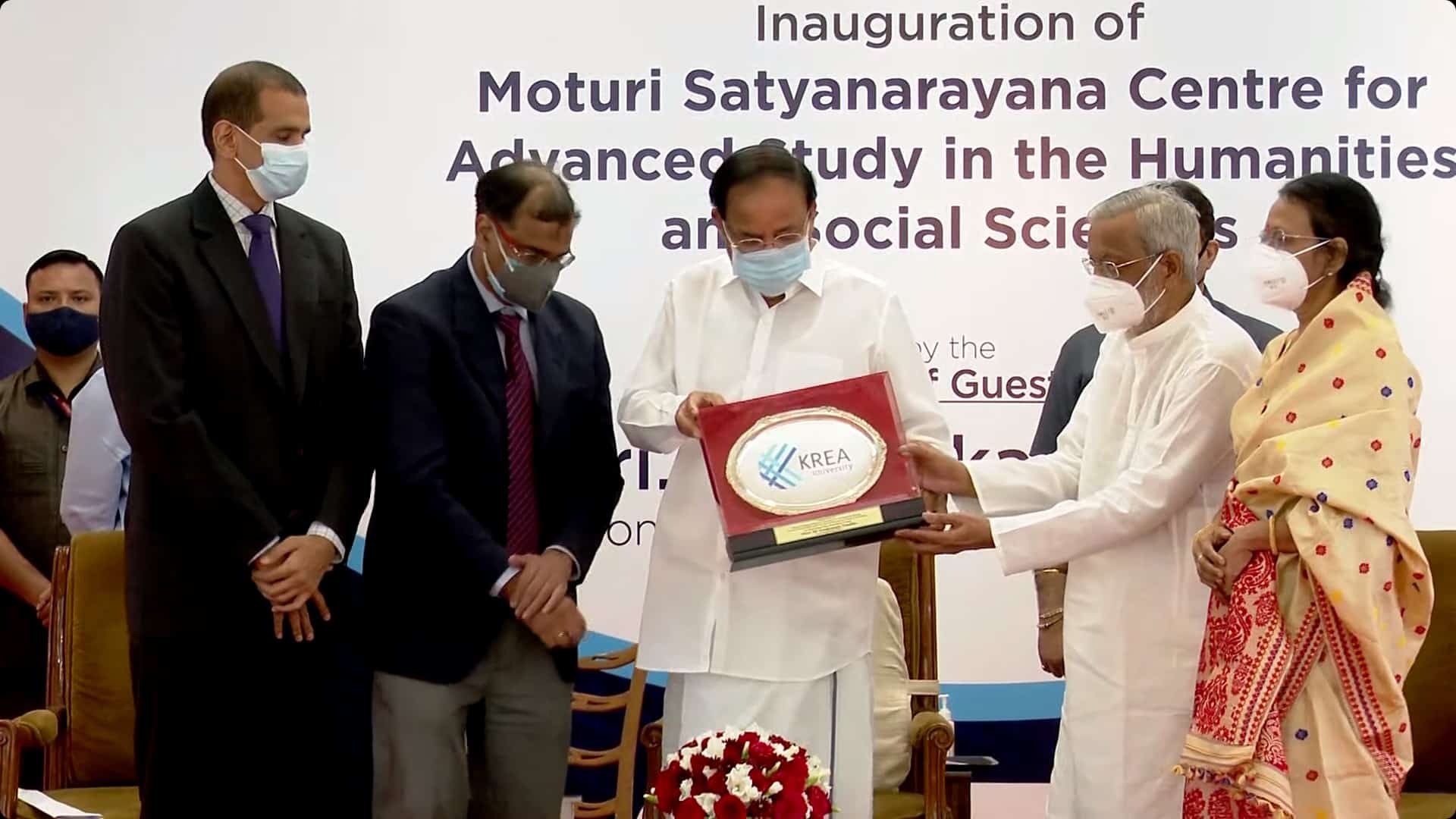
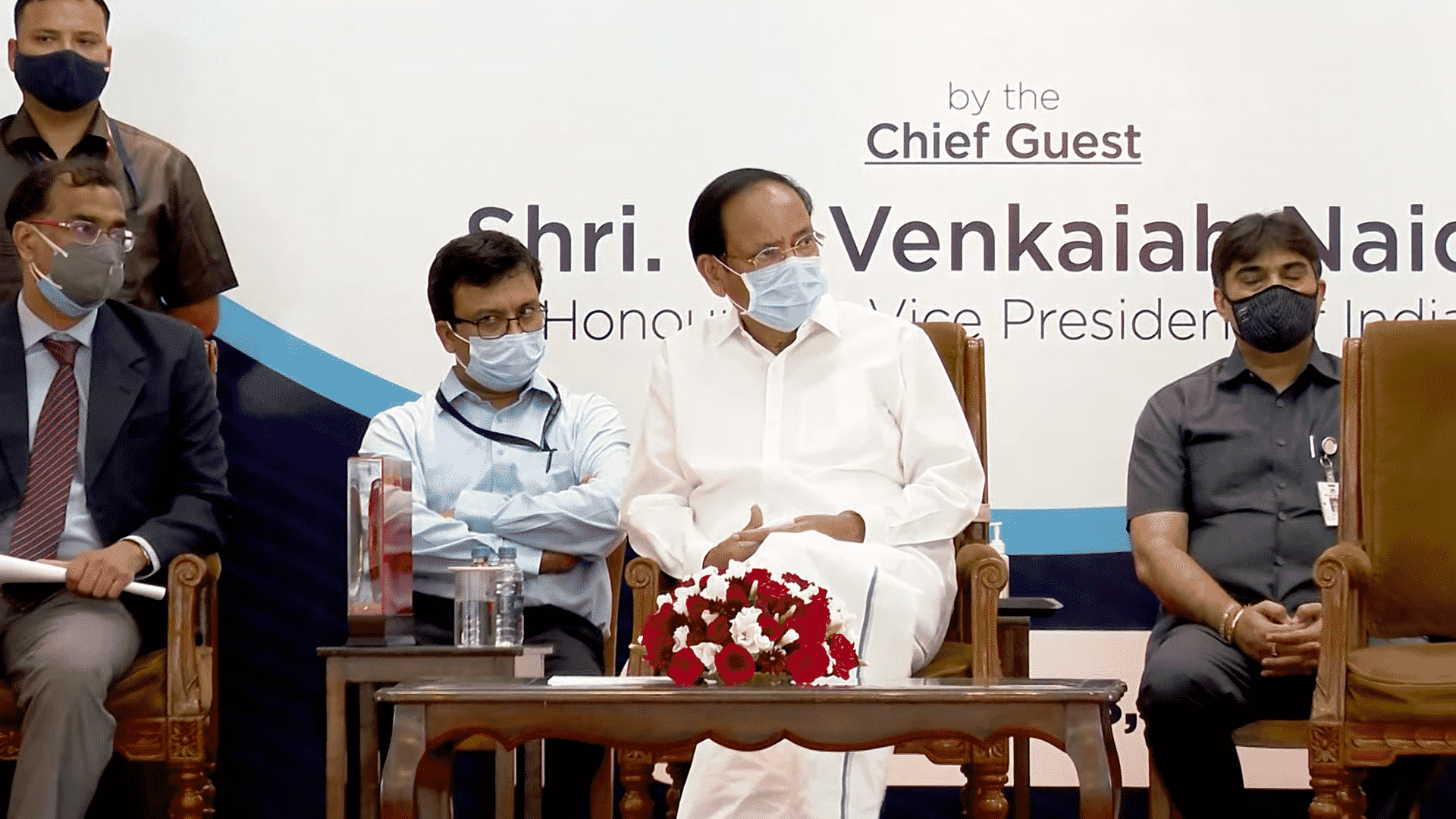
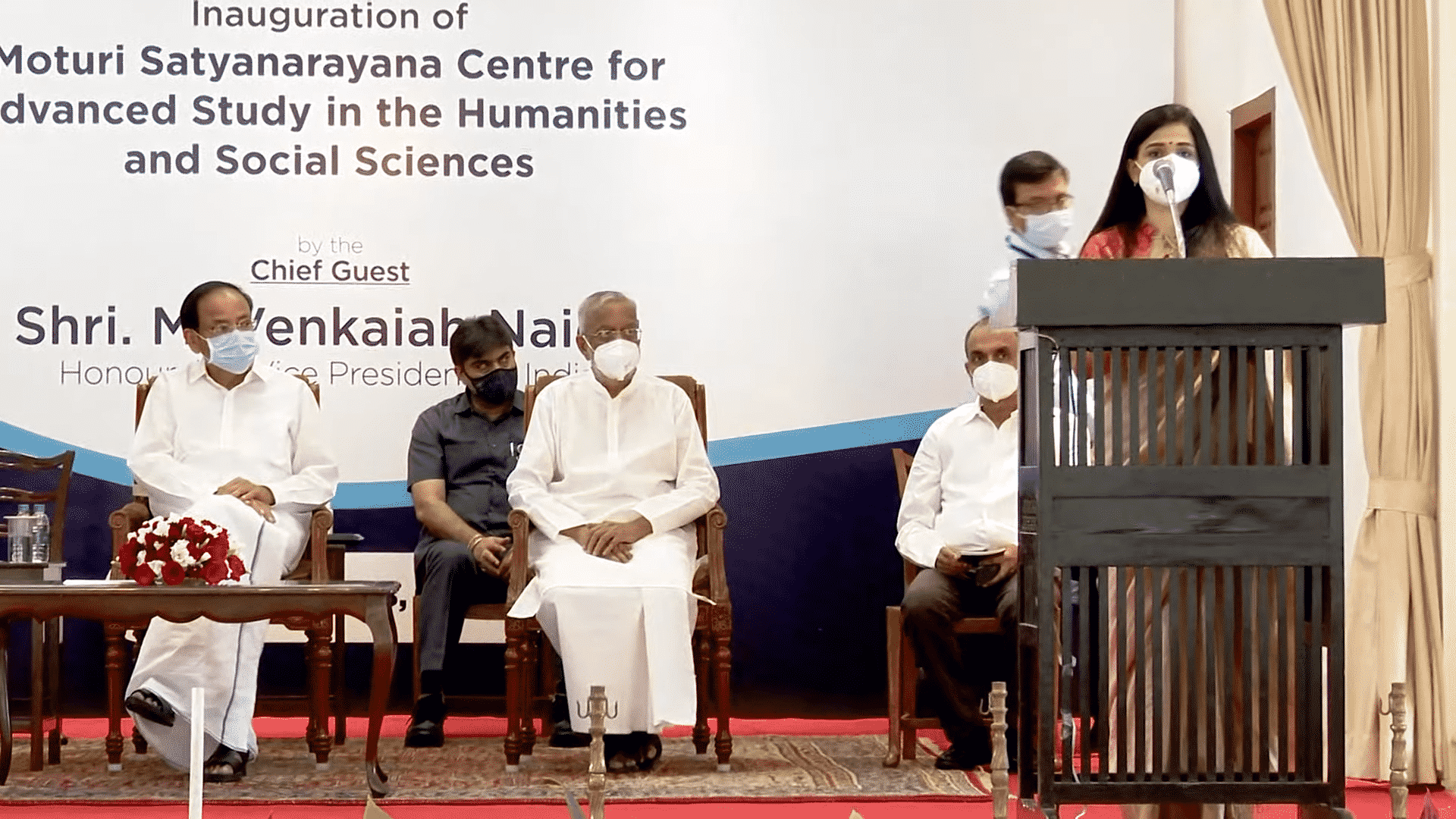
Inauguration of Moturi Satyanarayana Centre for Advanced Study in the Humanities and Social Sciences

Quantitative Finance | Analytics | Fintech

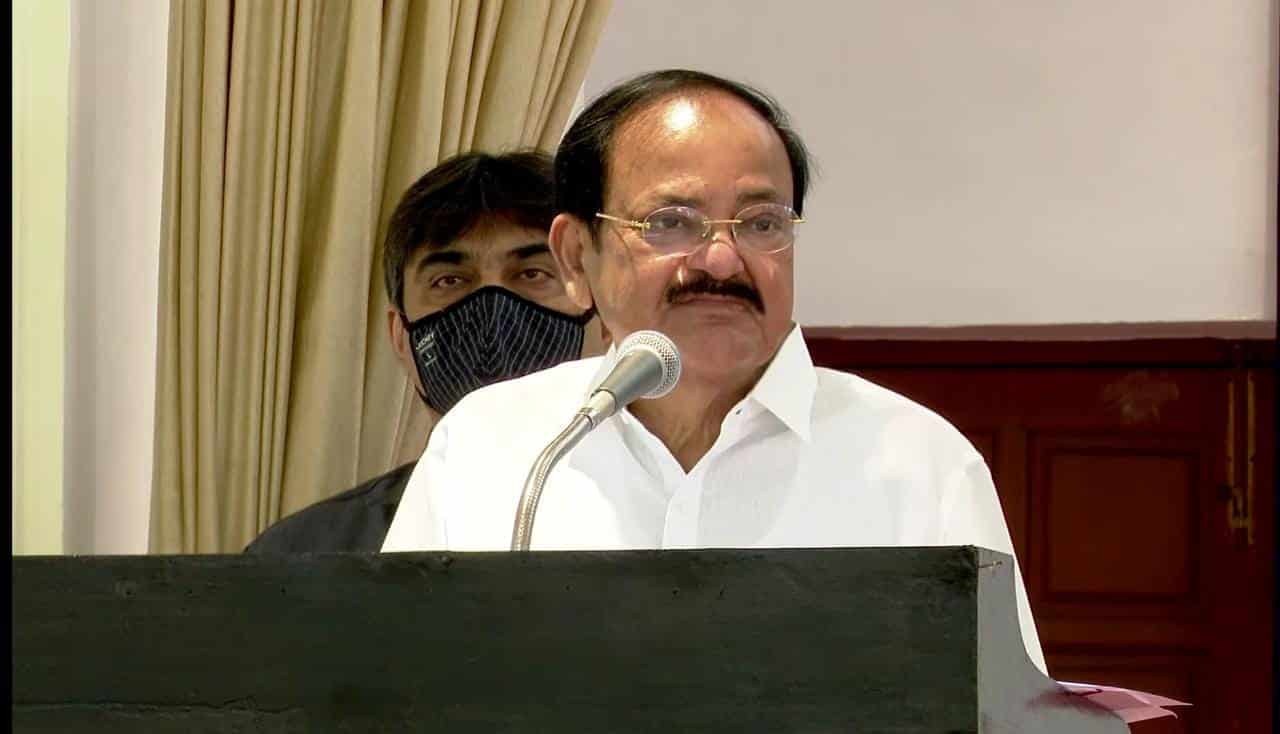
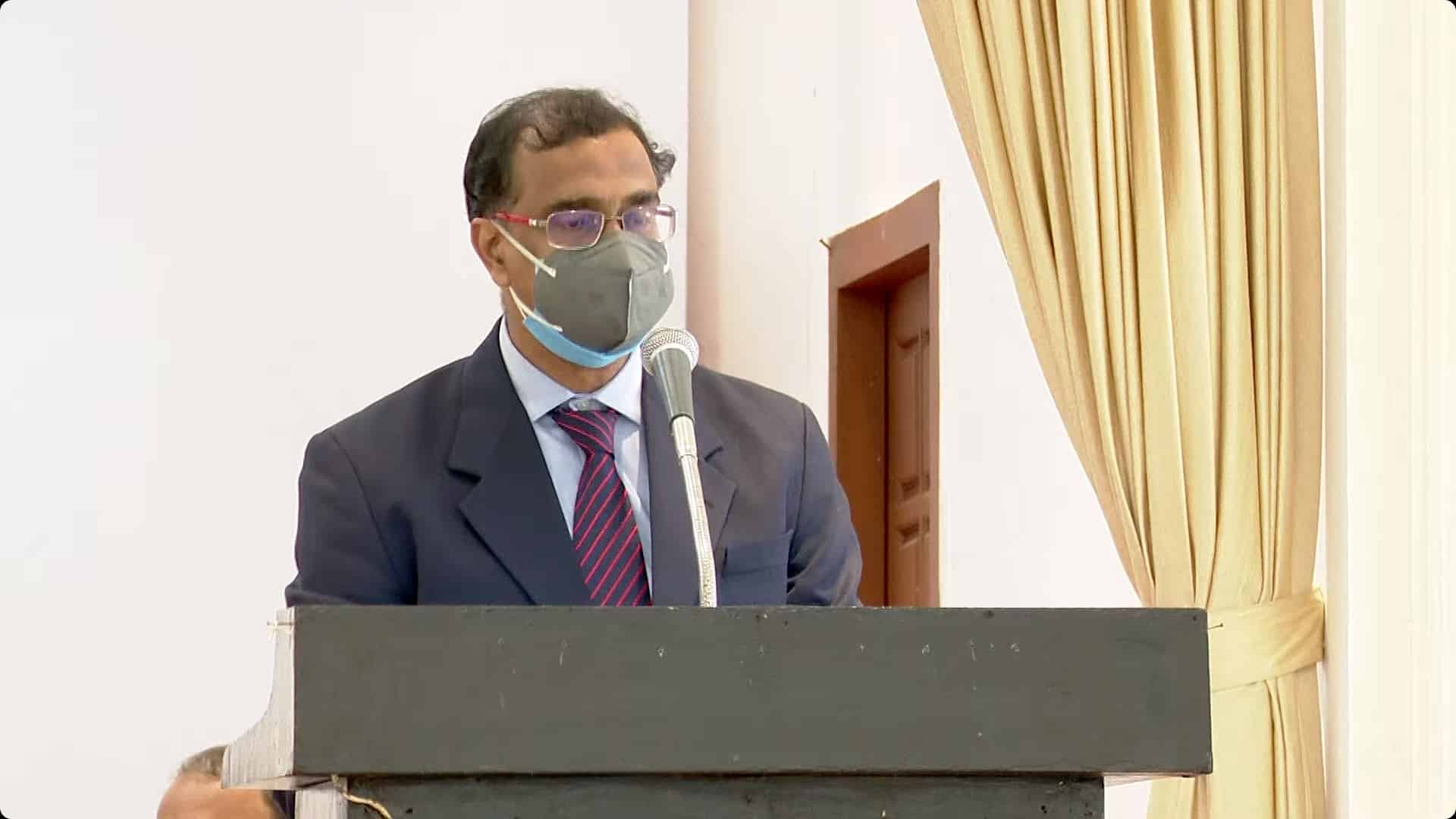
The Honourable Vice President of India Shri. M. Venkaiah Naidu, inaugurated the Moturi Satyanarayana Centre for Advanced Study in the Humanities and Social Sciences at Krea University on 08 September 2021. The official inauguration event was hosted at Raj Bhavan in Chennai.

Gallery

The Vision, Philosophy and Work: Hear from the Team