
Raghu Sundaram joins Krea University Academic Council

Krea University is delighted to welcome Prof Raghu Sundaram to the Academic Council.

Raghu Sundaram is Dean of New York University’s Leonard N. Stern School of Business, where he is also the Edward I. Altman Professor of Credit and Debt Markets and Professor of Finance. He previously served as Vice Dean for MBA Programs and Online Learning for two years.

Raghu works in many areas of finance including agency problems, executive compensation, corporate finance, derivatives pricing, and credit risk and credit derivatives. He has also published extensively in mathematical economics, decision theory, and game theory. His research has appeared in leading academic journals in finance and economic theory, as well as in several practitioner-oriented journals. He is the author of two books: A First Course in Optimization Theory (Cambridge University Press, 1996) and Derivatives: Principles and Practice (McGraw-Hill, 2010).

On joining Krea University as an Academic Council member, Raghu said, “In today’s change driven world, it’s important to adapt, evolve and experiment. Along with my eminent colleagues in the Council, I envision a more vibrant and globally relevant learning experience at Krea which in turn empowers graduates to lead the change.”

Raghu has taught courses across Stern’s Undergraduate, MBA, PhD, and Executive Education programs. Of all the awards he has received over the years, he is most proud of being the inaugural recipient of Stern’s Distinguished Teaching Award in 2007. He has a long record of service to the School and the University, including as chair of the University’s Faculty Senators Council and as a member of NYU’s Presidential Search Committee in 2014.

As Dean and Vice Dean, Raghu has led the launch of multiple new degree programs, including two one-year MBA programs, a number of specialized master’s programs, and the extension of the School’s New York City-based Executive MBA program to Washington, DC. He initiated and has overseen Stern’s entry into online education and the establishment of several new, high-profile initiatives at the intersection of entrepreneurship and technology, notably the Endless Frontier Labs. He also established the School’s first Office of Diversity and Inclusion.

Prior to joining NYU Stern in 1996, Raghu was on the faculty of the University of Rochester from 1988-96. He holds a BA in Economics from the University of Madras, India, an MBA from the Indian Institute of Management, Ahmedabad, and a PhD in economics from Cornell University.
Media Mention-https://bloncampus.thehindubusinessline.com/b-school-corner/dean-of-nyu-stern-joins-krea-university-academic-council/article32487710.ece

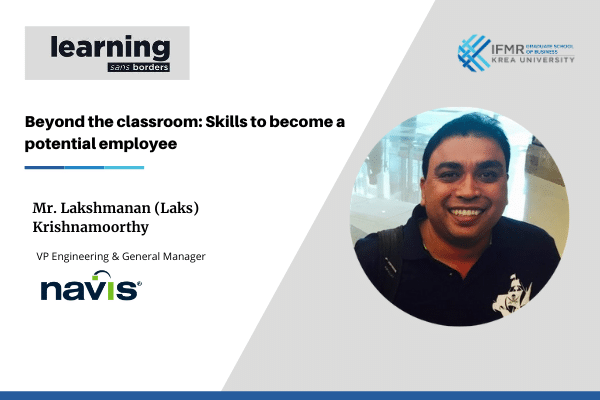
Beyond the Classroom- the skills to become a potential employee

In an insightful interaction with the students of IFMR GSB, Lakshmanan (Laks) Krishnamoorthy- VP Engineering & General Manager, Navis shared his perspectives on transformational leadership. Allaying concerns surrounding the leap from classroom to employment, Mr Krishnamoorthy stressed on SIMPLE, expanded to Social Skills, Interpersonal Relationship, Money Matters, Personal Branding, Learning, and Endurance. Imparting lessons from his own journey, he encouraged students to “Learn to do the work without expecting anything in return”, relevant to both the professional and personal aspects of life.

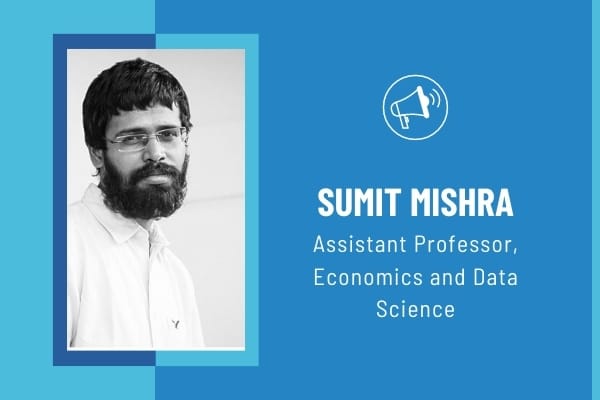
Prof Sumit Mishra publishes impactful research paper

IFMR GSB faculty member — Sumit Mishra, Assistant Professor, Economics and Data Science has published another impactful research paper. His paper “Diversity Deficit and Scale-Flip” co-authored with Naveen Bharathi (Harvard University), Deepak Malghan (IIM – Bangalore), and Andaleeb Rahman (Cornell University) published in the Journal of Development Studies, using data from more than half a million villages in India, shows that greater caste-diversity is associated with better public goods access in rural India.

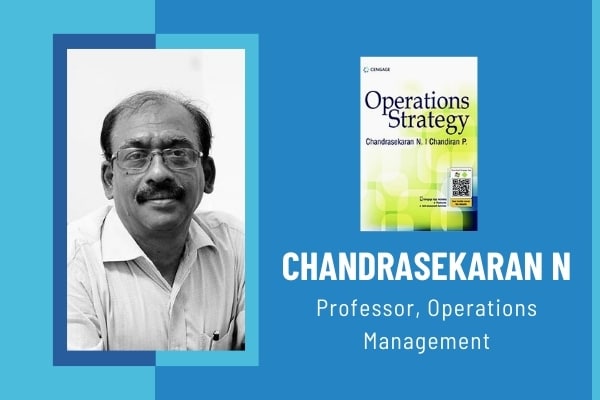
Prof N Chandrasekharan authors the book ‘Operations Strategy’

“Operations Strategy”, a book by Prof N Chandrasekharan of IFMR GSB at Krea University, co-authored with Prof. Chandiran P has been published by CENGAGE. The book with its practical approach will add immense value not just for students but for practitioners as well.

COVID-19: A Turning Point for Fintechs in India?

Anoushaka Chandrashekar and Fabrizio Valenti pen this final installment in the three-part blog series – ‘Beyond Health: How the COVID-19 pandemic is impacting financial services in India’. Based on discussions with founders of two fintech companies, this piece looks at implications of the COVID crisis on fintechs in India. It explores the challenges faced by fintechs in the current context, and highlights opportunities for growth.

Where Do We Go with Health Policy and Research in a Post-COVID World?

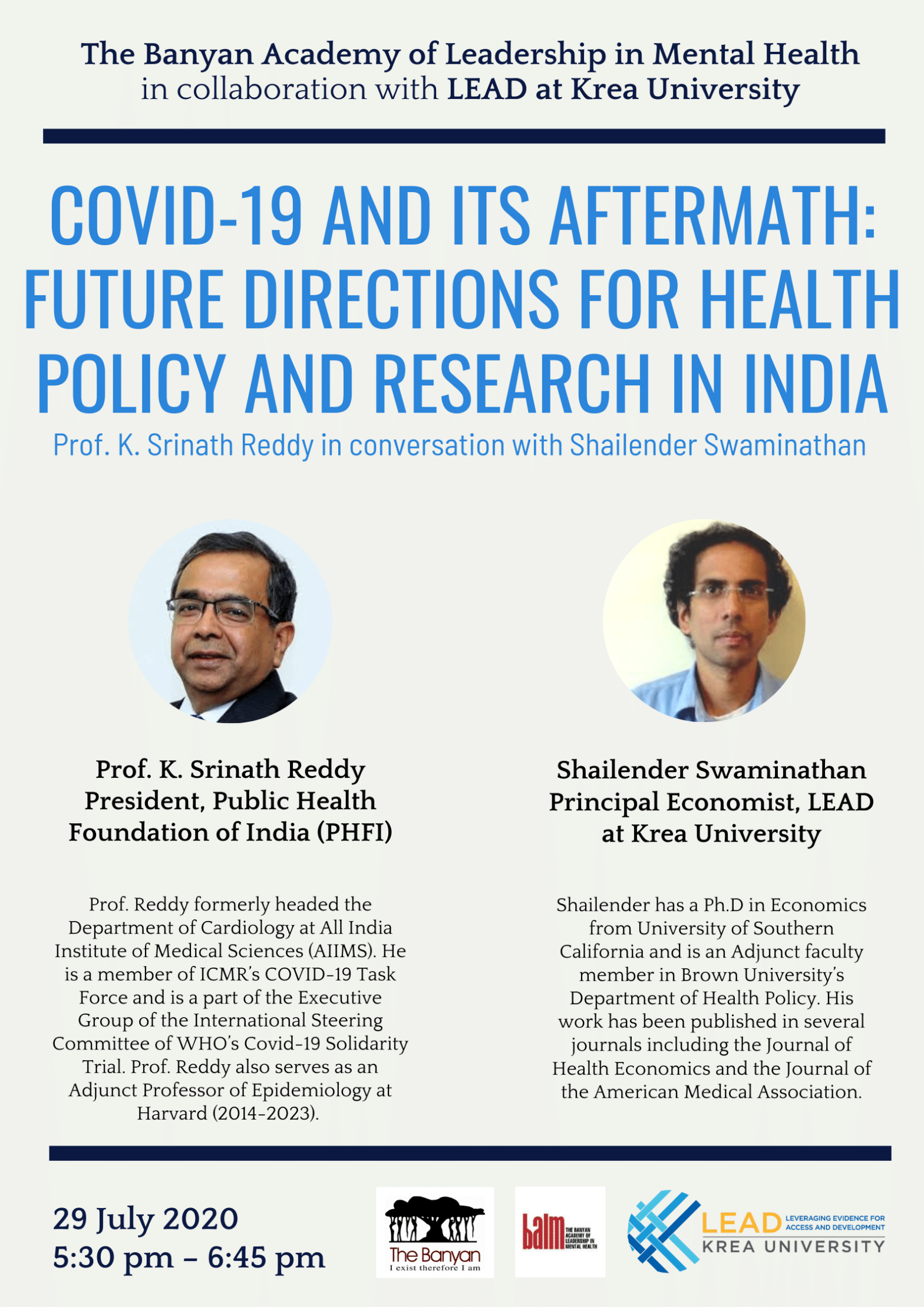
The Banyan Academy of Leadership and Mental Health organised a webinar, which will also feature Principal Economist at LEAD, Dr. Shailender Swaminathan. A collaboration with LEAD at Krea University, the webinar examined the future directions of health policy and research in India, with a focus on mental health in the current context.

Shobha Das on world post COVID-19

Dr Shobha Das, Dean at IFMR GSB shared her perspectives on the world post COVID-19 and its domino effect on organizations. The panel of experts discussed ‘COVID19 Impact on Innovation and Innovation Trajectories’ in an e-conclave hosted by IIM Sirmaur. The discourse featured thoughts on COVID-19’s impact on Innovation processes, role of technology, healthcare products, and challenges for leaders and organizations in revamping innovation trajectories.

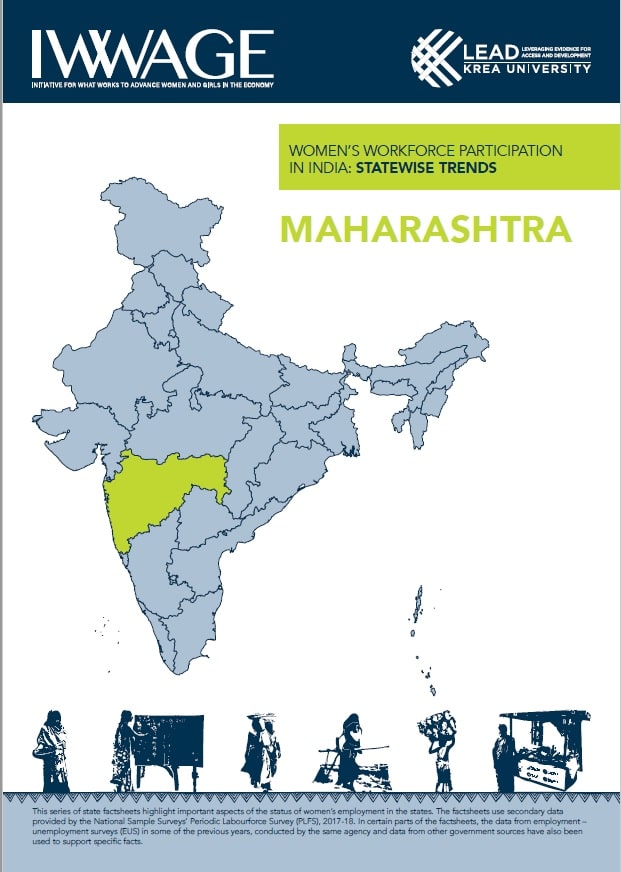
Women’s Work Force Participation in Maharashtra

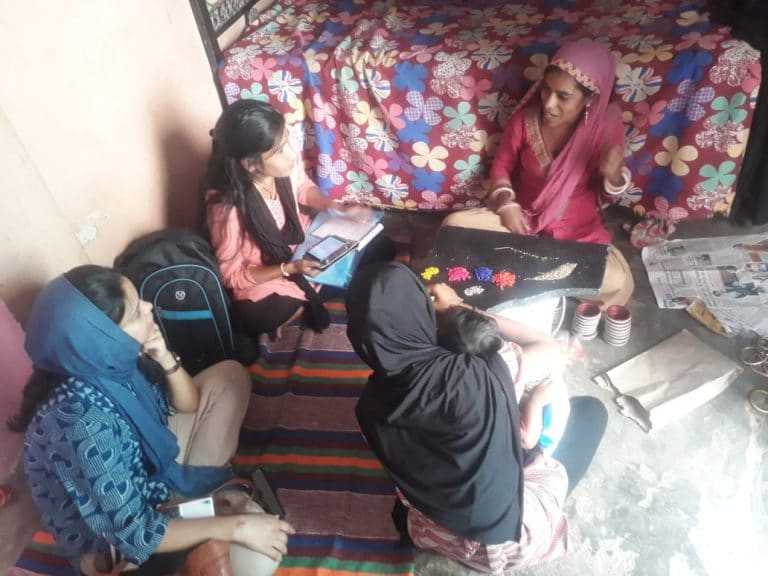
Women’s labourforce participation rates (LFPR) reveals some interesting trends for Maharashtra. As per the figures from the labourforce surveys, the LFPR is significantly higher than the all-India figures, largely driven by higher than average rural employment. The state also shares a decline in self-employment and casual employment and a shift towards regular wage work for both rural and urban women. In Maharashtrathe urban areas witnessed a consistent rise in regular wage work of women since 2004-05. More than 60 per cent of women are employed as regular workers – 70 per cent of which is concentrated in the services sector such as education, health and retail. In rural areas, the share of casual workers is considerably higher at around 42 per cent, followed by 52 per cent in self-employment. The incidence of unpaid family workers among self-employed women exceed 80 per cent.  While the urban areas show considerable diversity of women workers across occupations and sectors, women in the rural areas remain concentrated as manual workers in agriculture or within construction work.

Initiative for What Works to Advance Women and Girls in the Economy (IWWAGE), has developed a series of factsheet that highlight the important aspects of women’s employment across the states in India. It uses secondary data provided by the National Sample Surveys’ Periodic Labour Force Survey (PLFS), 2017-18, and the employment-unemployment surveys (EUS) as well as data from other sources to support state specific analysis. The Maharashtra factsheet is part of this series, and can be accessed here.

Krea announces Post Doctoral and Visiting Research Fellows

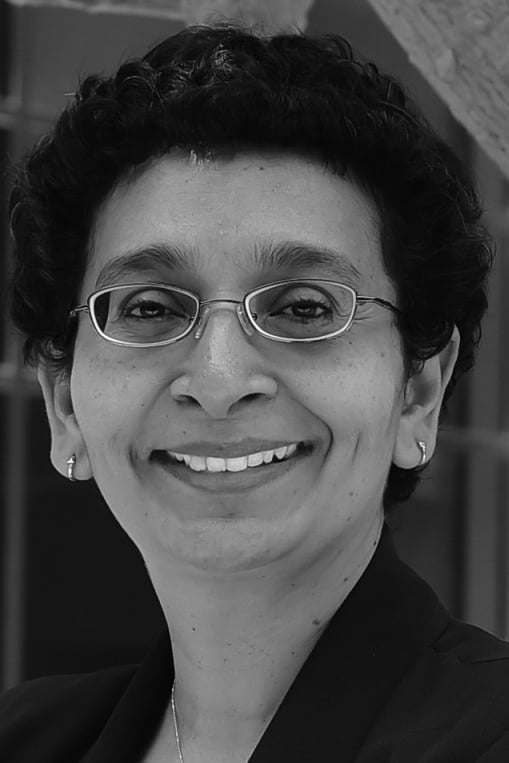
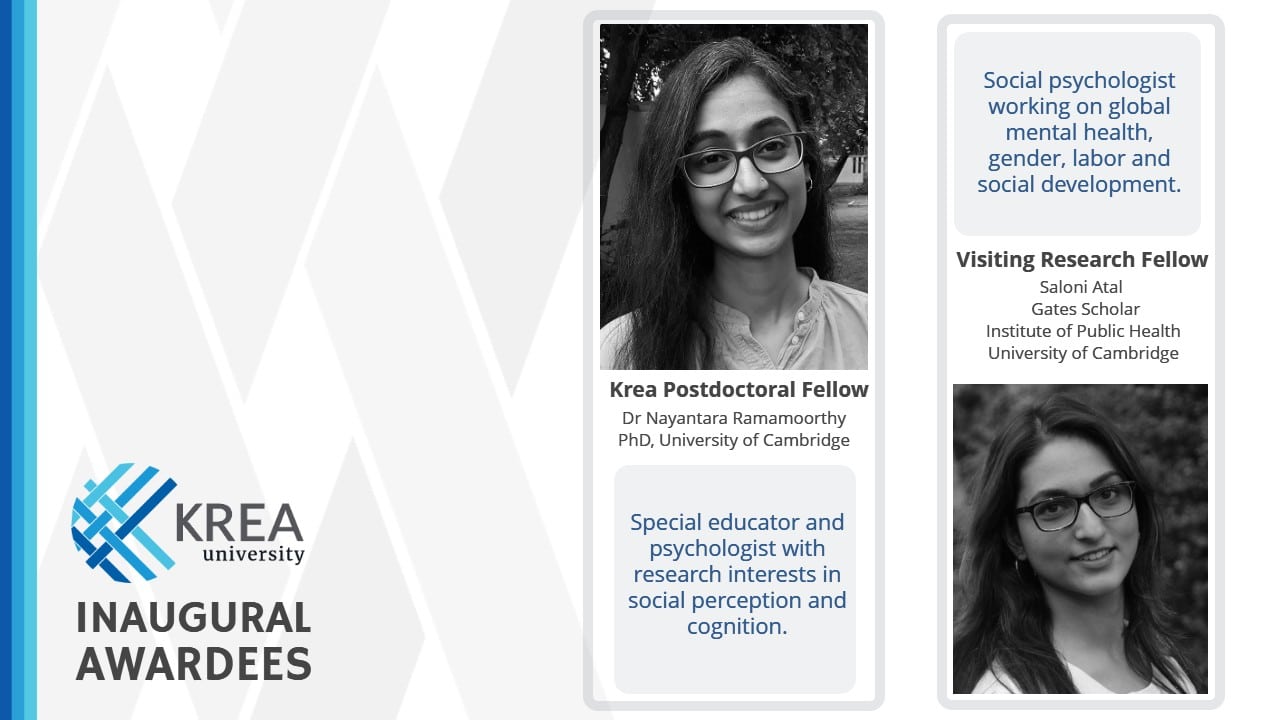
Krea welcomes Dr Nayantara Ramamoorthy, the awardee of the inaugural Krea Faculty Fellowship 2020 and Saloni Atal, our Visiting Research Fellow. Their strong expertise in Psychology ably propels the research vision at Krea. Krea Faculty Fellowship and Visiting Research Fellowship are set up with an aim to strengthen the research mandate at Krea.

Dr Nayantara Ramamoorthy, did her PhD in Psychology at the University of Cambridge with a research focus on attentional mechanisms in gaze perception — the underlying mechanisms that guide individuals to attentionally prioritise one gaze type (e.g., direct gaze) over the other (e.g., averted gaze) when viewing another’s gaze. She has a Masters in Developmental Psychology from Maastricht University, The Netherlands and a Bachelors in Psychology from the University of Delhi. She has also worked as a special educator at the Centre for Child Development and Disabilities, Bangalore, where she designed and implemented intervention plans for children with Autism Spectrum Disorder and trained parents to be active participants in the intervention process. Nayantara’s broader research interests lie in social perception and cognition, particularly with a view to understanding underlying pathways in neuro-atypical gaze perception.

Saloni Atal, MPhil, is a PhD student and a Gates scholar at the Institute of Public Health at the University of Cambridge. Saloni is a social psychologist and works on global mental health, gender, labor and social development. Through her research, she aims to provide policy-relevant evidence that drives change on the ground. She is particularly interested in the socio-political economy of mental health and in developing contextually sensitive tools to measure women’s agency and empowerment. She uses mixed research methods and takes an interdisciplinary approach, drawing on sociocultural theories of knowledge, critical development studies and transnational feminist perspectives.

Vice-chancellor Sunder Ramaswamy shares the learning narrative

Emphasising on Krea’s mission statement ‘to help humanity prepare for an unpredictable world’, Dr Sunder Ramaswamy discussed how classes weren’t just about dispensing information, but rather about aiding students to learn, to think like a mathematician, a scientist, a philosopher.

Read more.